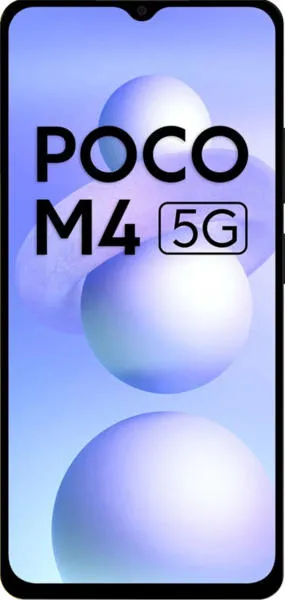
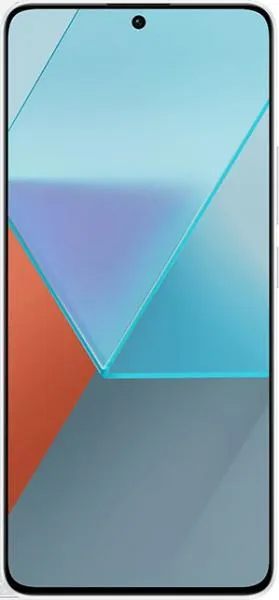
Xiaomi Poco M4 5G vs. Xiaomi Redmi Note 13 Pro: A Deep Dive
Let's dissect the Xiaomi Poco M4 5G and the Redmi Note 13 Pro, two compelling mid-range contenders, to see which phone reigns supreme. My goal is to equip you with the knowledge to decide which phone best fits your needs.
1. Specifications Breakdown
| Feature | Xiaomi Poco M4 5G | Xiaomi Redmi Note 13 Pro | Real-World Implications |
|---|---|---|---|
| Design | |||
| Dimensions (mm) | 164 x 76.1 x 8.9 | 161.2 x 74.2 x 8 | Note 13 Pro is slightly more compact and thinner. |
| Weight (g) | 200 | 187 | Note 13 Pro feels lighter in hand. |
| Display | |||
| Type | IPS LCD | AMOLED | Note 13 Pro offers deeper blacks, vibrant colors, and better power efficiency. |
| Size | 6.58" | 6.67" | Note 13 Pro provides a slightly larger viewing area. |
| Resolution | 1080 x 2408 | 1220 x 2712 | Note 13 Pro boasts sharper visuals due to higher resolution. |
| Refresh Rate | 90Hz | 120Hz | Note 13 Pro delivers smoother scrolling and animations. |
| Peak Brightness | N/A | 1800 nits | Note 13 Pro offers exceptional outdoor visibility. |
| Performance | |||
| Chipset | Dimensity 700 | Snapdragon 7s Gen 2 | Note 13 Pro has a significantly more powerful processor, leading to faster performance. |
| CPU | Octa-core (2x2.2 GHz Cortex-A76 & 6x2.0 GHz Cortex-A55) | Octa-core (4x2.4 GHz Cortex-A78 & 4x1.95 GHz Cortex-A55) | Note 13 Pro offers improved multi-core performance due to faster and more efficient core architecture. |
| GPU | Mali-G57 MC2 | Adreno 710 | Note 13 Pro's GPU provides a substantial boost in gaming and graphics-intensive tasks. |
| RAM | 4/6GB | 8/12/16GB | Note 13 Pro offers more RAM for smoother multitasking and demanding applications. |
| Camera | |||
| Main Camera | 50MP | 200MP | Note 13 Pro's higher resolution main camera potentially captures more detail. However, megapixels aren't everything. Real-world image quality depends on factors like sensor size and processing. |
| Video | 1080p@30fps | 4K@30fps | Note 13 Pro can record higher resolution video. |
| Battery Life | |||
| Capacity | 5000 mAh | 5100 mAh | Note 13 Pro has a slightly larger battery. Real-world battery life will depend on usage patterns. |
2. Key Insights
- Performance: The Redmi Note 13 Pro's Snapdragon 7s Gen 2 significantly outperforms the Poco M4 5G's Dimensity 700. This translates to smoother gaming, faster app loading, and a more responsive overall experience.
- Display: The Note 13 Pro's AMOLED display offers vibrant colors and deep blacks, providing a more visually immersive experience compared to the Poco M4 5G's LCD. The higher refresh rate on the Note 13 Pro contributes to a noticeably smoother user interface.
- Camera: The Note 13 Pro boasts a higher resolution main camera and superior video recording capabilities. However, real-world image quality will depend on various factors beyond megapixel count.
- Value: The Poco M4 5G positions itself as a budget-friendly option, while the Note 13 Pro offers premium features at a mid-range price.
3. User Profiles and Recommendations
- Poco M4 5G: Ideal for budget-conscious users who prioritize basic functionality, reliable performance for everyday tasks, and 5G connectivity.
- Redmi Note 13 Pro: Best suited for users who demand a more premium experience with a stunning display, powerful performance for gaming and multitasking, and advanced camera features.
4. Buying Decision Framework
- What's your budget? The Poco M4 5G is significantly more affordable.
- What are your performance needs? For demanding tasks and gaming, the Redmi Note 13 Pro is the clear winner.
- How important is display quality? If you value vibrant colors and smooth scrolling, the AMOLED display on the Note 13 Pro is a significant advantage.
My Choice: Redmi Note 13 Pro
While the Poco M4 5G offers great value for its price, I would choose the Redmi Note 13 Pro. The superior performance, stunning AMOLED display with a 120Hz refresh rate, and advanced camera features are compelling. I prioritize a smooth and responsive user experience, especially for gaming and media consumption, and the Note 13 Pro delivers on those fronts. While it comes at a higher price, the significant upgrade in performance and display makes it a worthwhile investment for me. The jump from an LCD to AMOLED alone drastically improves the visual experience. Furthermore, having a powerful processor future-proofs the device, ensuring it remains capable of handling demanding tasks and software updates for longer.
