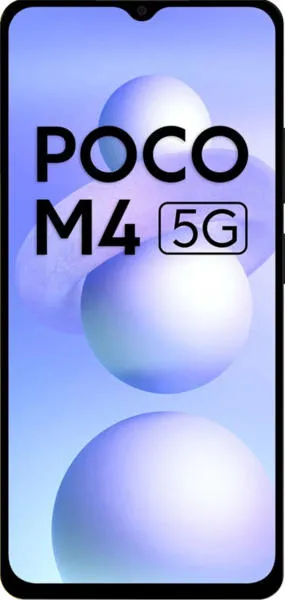
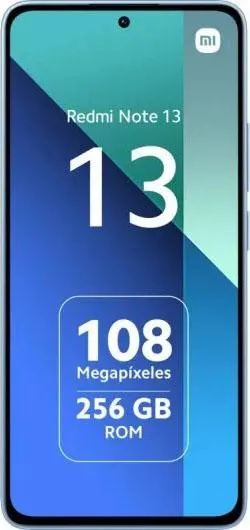
Xiaomi Poco M4 5G vs. Xiaomi Redmi Note 13 4G: A Deep Dive
Hello, fellow tech enthusiasts! Alex Griffin here, ready to dissect the Xiaomi Poco M4 5G and the Redmi Note 13 4G. We'll go beyond the spec sheet to uncover what these phones offer in the real world.
1. Specifications Breakdown
| Feature | Xiaomi Poco M4 5G | Xiaomi Redmi Note 13 4G | Real-World Implications |
|---|---|---|---|
| Design | |||
| Dimensions (mm) | 164 x 76.1 x 8.9 | 162.3 x 75.6 x 8 | Note 13 4G is slightly more compact and thinner. |
| Weight (g) | 200 | 188.5 | Note 13 4G is noticeably lighter, enhancing one-handed use. |
| Display | |||
| Display Type | IPS LCD, 90Hz | AMOLED, 120Hz | Note 13 4G boasts richer colors, deeper blacks, and smoother scrolling. |
| Peak Brightness (nits) | 500 (HBM) | 1800 | Note 13 4G offers superior outdoor visibility. |
| Size (inches) | 6.58 | 6.67 | Note 13 4G has a marginally larger screen. |
| Resolution | 1080 x 2408 | 1080 x 2400 | Virtually identical sharpness. |
| Performance | |||
| Chipset | Dimensity 700 (7nm) | Snapdragon 685 (6nm) | While both are mid-range, the Snapdragon 685 generally provides slightly better efficiency. |
| CPU | Octa-core | Octa-core | Comparable everyday performance, but benchmarks might reveal minor differences. |
| RAM | 4/6GB | 8GB | Note 13 4G's larger RAM enables smoother multitasking and better handling of demanding apps. |
| Camera | |||
| Main Camera | 13MP | 108MP | Note 13 4G offers significantly higher resolution for detailed photos. |
| Selfie Camera | 5MP | 16MP | Note 13 4G provides much better selfie quality. |
| Battery Life | |||
| Capacity (mAh) | 5000 | 5000 | Similar battery capacity, but real-world usage will depend on software optimization. |
| Connectivity | |||
| 5G | Yes | No | Poco M4 5G offers faster cellular data speeds where available. |
| NFC | Yes | Yes | Both support contactless payments. |
| Software | |||
| OS | Android 12 | Android 13 | Note 13 4G ships with a newer Android version, potentially offering more features. |
2. Key Insights
The Poco M4 5G shines with its 5G connectivity, making it future-proof for faster data speeds. It's a budget-friendly option that doesn't compromise on essentials. However, its camera and display are less impressive than the Redmi Note 13 4G.
The Redmi Note 13 4G excels with its vibrant AMOLED display, higher resolution camera, and larger RAM. The improved display significantly enhances media consumption and gaming. The lack of 5G might be a drawback for some, but the overall package is more compelling for multimedia enthusiasts. While the Snapdragon 685 might seem like a lateral move or even a downgrade from the Dimensity 700, the architectural improvements and the node shrink likely provide better power efficiency, potentially offsetting the raw performance difference in daily use.
3. User Profiles and Recommendations
Poco M4 5G: Best suited for budget-conscious users who prioritize 5G connectivity and reliable performance for everyday tasks. Ideal for web browsing, social media, and casual gaming.
Redmi Note 13 4G: A great choice for users who value a superior multimedia experience. The AMOLED display and high-resolution camera make it perfect for photography, video streaming, and mobile gaming. The extra RAM is a boon for power users who frequently multitask.
4. Buying Decision Framework
- Is 5G crucial for you right now? If yes, the Poco M4 5G is your only option here.
- Do you prioritize display quality and camera performance? If so, the Redmi Note 13 4G is the clear winner.
- What's your budget? Both phones fall in the mid-range, but slight price differences might exist depending on storage configurations.
My Choice: Redmi Note 13 4G
If I were choosing between these two, I'd go for the Redmi Note 13 4G. While I appreciate the future-proofing of 5G, in my area, 4G speeds are sufficient for my needs. The superior AMOLED display, higher resolution cameras (both front and back), larger RAM, and updated OS of the Note 13 4G offer a more compelling overall package for my daily usage, which heavily involves content creation, media consumption, and multitasking. The slightly lighter and thinner design is a welcome bonus. While benchmark performance might favor the Poco M4 5G slightly, I believe the real-world performance differences would be negligible, especially given the potential efficiency advantages of the Redmi Note 13 4G. The trade-off of 5G for these enhancements is one I'm willing to make.
