Xiaomi Poco M4 5G vs. Xiaomi Redmi Note 13: A Deep Dive
Let's dissect the Xiaomi Poco M4 5G and the Redmi Note 13, cutting through the spec sheets to see what these phones really offer.
1. Specifications Breakdown
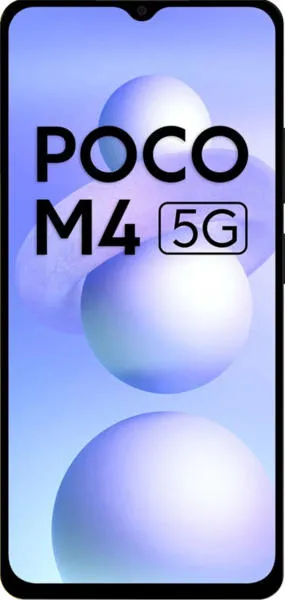
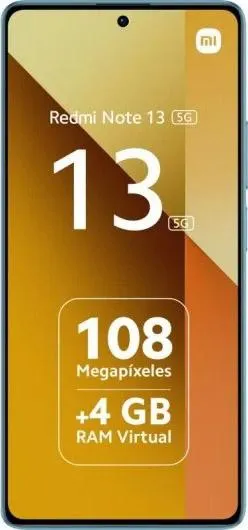
| Feature | Xiaomi Poco M4 5G | Xiaomi Redmi Note 13 | Real-World Implications |
|---|---|---|---|
| Design | |||
| Dimensions (mm) | 164 x 76.1 x 8.9 | 161.1 x 75 x 7.6 | Note 13 is slightly more compact and thinner. |
| Weight (g) | 200 | 174.5 | Note 13 is noticeably lighter, improving one-handed use. |
| Display | |||
| Type | IPS LCD | AMOLED | Note 13's AMOLED offers richer blacks, vibrant colors, and potentially better battery life due to pixel-level illumination. |
| Size | 6.58" | 6.67" | Note 13 has a slightly larger screen. |
| Refresh Rate | 90Hz | 120Hz | Note 13 provides smoother scrolling and animations. |
| Performance | |||
| Chipset | Dimensity 700 | Dimensity 6080 | Both offer similar mid-range performance, though the 6080 may have slight edge in efficiency. |
| CPU | Octa-core | Octa-core | Comparable CPU configurations, focusing on efficiency. |
| RAM | 4/6GB | 6/8/12GB | Note 13 offers more RAM options for better multitasking. |
| Camera | |||
| Main Sensor | 50MP | 108MP | Note 13 boasts a much higher resolution main sensor, potentially capturing more detail. |
| Sensor Type | CMOS | Samsung HM6 (ISOCELL) | Note 13 utilizes a more advanced sensor technology, promising improved image quality. |
| Battery Life | |||
| Capacity | 5000mAh | 5000mAh | Similar battery capacities; actual battery life depends on usage and software optimization. |
2. Key Insights
- Display: The Redmi Note 13's AMOLED display is a clear winner, delivering a superior visual experience with vibrant colors and deep blacks. The 120Hz refresh rate adds to the fluidity, making interactions feel incredibly smooth.
- Performance: While both chipsets target the mid-range segment, the Redmi Note 13's Dimensity 6080, coupled with higher RAM options, likely provides a slight performance edge, particularly in multitasking.
- Camera: The 108MP sensor on the Redmi Note 13 is a significant upgrade over the Poco M4 5G's 50MP. The larger sensor and advanced technology suggest better low-light performance and detail capture. However, megapixels aren't everything; real-world image quality depends on processing and software tuning.
- Value: The Redmi Note 13 generally offers better value, packing more advanced features at a competitive price point. The Poco M4 5G remains a solid budget option, but the Note 13 presents a compelling upgrade for a relatively small price jump.
3. User Profiles and Recommendations
- Poco M4 5G: Best suited for budget-conscious users who prioritize basic functionality and 5G connectivity. Ideal for casual browsing, social media, and light gaming.
- Redmi Note 13: An excellent choice for users seeking a well-rounded experience with a stunning display, capable performance, and a promising camera system. Suitable for multimedia consumption, mobile gaming, and photography enthusiasts.
4. Buying Decision Framework
- What's your budget? If price is a major constraint, the Poco M4 5G is a viable option. If you can stretch your budget, the Redmi Note 13 provides significantly better value.
- Is display quality a priority? If you value a vibrant and smooth display, the Redmi Note 13's AMOLED with 120Hz is the clear winner.
- How important is camera performance? If you frequently take photos or videos, the Redmi Note 13's 108MP camera system is likely to deliver better results.
My Choice: The Redmi Note 13
If I were choosing between these two phones, I'd go for the Redmi Note 13. The AMOLED display is a huge draw for me. As someone who consumes a lot of media on my phone, the richer colors, deeper blacks, and smoother refresh rate would significantly enhance my daily experience. The improved camera system and the potential for better performance due to the slightly newer chipset and increased RAM options solidify my decision. While the Poco M4 5G is a decent budget option, the Redmi Note 13 offers a compelling upgrade in key areas that I value most. The slightly higher price is easily justified by the significant jump in overall quality and user experience.
