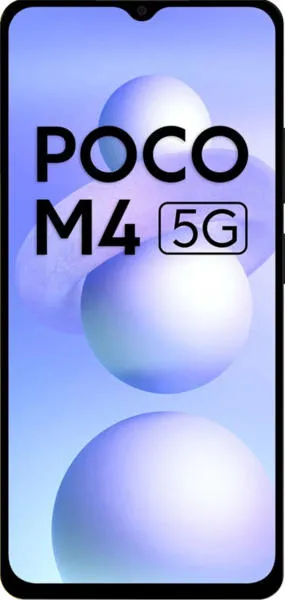
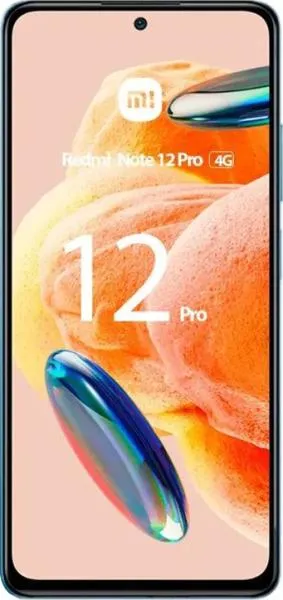
Xiaomi Poco M4 5G vs. Xiaomi Redmi Note 12 Pro 4G: A Deep Dive
Let's dissect the Xiaomi Poco M4 5G and the Redmi Note 12 Pro 4G, two compelling mid-range contenders, to see which phone reigns supreme.
1. Specifications Breakdown
| Feature | Xiaomi Poco M4 5G | Xiaomi Redmi Note 12 Pro 4G | Real-World Implications |
|---|---|---|---|
| Design | |||
| Dimensions (mm) | 164 x 76.1 x 8.9 | 164.2 x 76.1 x 8.1 | Note 12 Pro slightly thinner; negligible difference in hand feel. |
| Weight (g) | 200 | 201.8 | Virtually identical; both feel substantial without being heavy. |
| Display | |||
| Type | IPS LCD | AMOLED | AMOLED offers richer colors, deeper blacks, and better power efficiency in dark mode. Noticeably superior viewing experience on the Note 12 Pro. |
| Refresh Rate (Hz) | 90 | 120 | Smoother scrolling and animations on the Note 12 Pro. More responsive gaming experience. |
| Size (inches) | 6.58 | 6.67 | Slightly larger screen on the Note 12 Pro. |
| Resolution | 1080 x 2408 | 1080 x 2400 | Negligible difference in sharpness. |
| Performance | |||
| Chipset | Dimensity 700 | Snapdragon 732G | Snapdragon 732G offers better CPU and GPU performance, leading to smoother multitasking and gaming. Noticeable difference in demanding applications. |
| CPU | Octa-core | Octa-core | Architecture differences favor the Snapdragon for overall performance. |
| RAM (GB) | 4/6 | 8 | Note 12 Pro offers significantly more RAM, enabling better multitasking and app switching. |
| Camera | |||
| Main Camera (MP) | 13 | 108 | Massively higher resolution on the Note 12 Pro, capturing significantly more detail. |
| Features | Basic | Quad camera, wider features | Note 12 Pro offers a versatile camera system with ultrawide and macro lenses. More advanced features for photography enthusiasts. |
| Battery | |||
| Capacity (mAh) | 5000 | 5000 | Identical battery capacity. Real-world battery life will depend on usage patterns and software optimization. |
2. Key Insights
The Redmi Note 12 Pro 4G shines with its vibrant AMOLED display, higher refresh rate, significantly more powerful processor, and a vastly superior camera system. The 108MP sensor and additional lenses provide a clear advantage for photography enthusiasts. The increased RAM also ensures smoother multitasking.
The Poco M4 5G, however, offers 5G connectivity, which future-proofs the device for faster mobile data speeds. It positions itself as a more budget-friendly option for users prioritizing connectivity over raw performance or camera prowess.
3. User Profiles and Recommendations
Poco M4 5G: Ideal for budget-conscious users prioritizing 5G connectivity and basic smartphone functionality. Suitable for light users primarily focused on communication, web browsing, and casual media consumption.
Redmi Note 12 Pro 4G: Best suited for users who value a premium multimedia experience, including gaming, photography, and video consumption. The superior display, performance, and camera make it a compelling option for power users and content creators.
4. Buying Decision Framework
- Is 5G connectivity a must-have? If yes, the Poco M4 5G is your only option here.
- Are you a heavy user or a mobile gamer? The Redmi Note 12 Pro's superior performance and display are essential for a smooth experience.
- Is camera quality a top priority? The 108MP sensor and versatile camera system of the Redmi Note 12 Pro make it a clear winner.
My Choice: Redmi Note 12 Pro 4G
While I appreciate the future-proofing of 5G, the Redmi Note 12 Pro 4G offers a significantly better overall user experience. The AMOLED display, faster processor, increased RAM, and superior camera system are compelling advantages that cater to my needs as a tech enthusiast and content creator. I value the performance headroom and the ability to capture high-quality photos and videos. The lack of 5G is a minor trade-off considering the substantial gains in other areas, especially since widespread 5G availability is still evolving.
