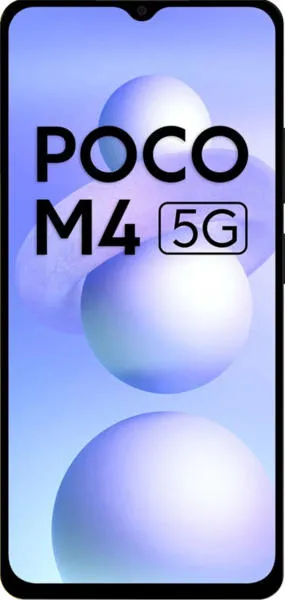
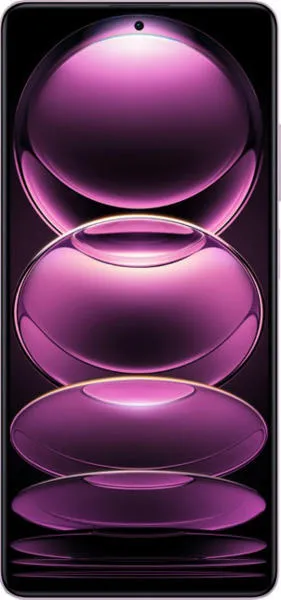
Let's dive into a comparative analysis of the Xiaomi Poco M4 5G and the Xiaomi Redmi Note 12 Pro, dissecting their specifications and revealing their real-world implications for you.
1. Specifications Breakdown
| Feature | Xiaomi Poco M4 5G | Xiaomi Redmi Note 12 Pro | Real-World Implications |
|---|---|---|---|
| Design | |||
| Dimensions (mm) | 164 x 76.1 x 8.9 | 163 x 76 x 8 | Note 12 Pro is slightly thinner and lighter, improving portability. |
| Weight (g) | 200 | 187 | Noticeable difference in hand feel; Note 12 Pro feels less bulky. |
| Display | |||
| Type | IPS LCD | AMOLED | Note 12 Pro offers deeper blacks, vibrant colors, and better contrast. |
| Refresh Rate (Hz) | 90 | 120 | Smoother scrolling and animations on the Note 12 Pro. |
| Size (inches) | 6.58 | 6.67 | Slightly larger screen on the Note 12 Pro. |
| Resolution | 1080 x 2408 | 1080 x 2400 | Virtually identical sharpness. |
| Performance | |||
| Chipset | Dimensity 700 | Dimensity 1080 | Note 12 Pro boasts significantly faster processing speeds. |
| CPU | Octa-core (2x2.2 GHz Cortex-A76 & 6x2.0 GHz Cortex-A55) | Octa-core (2x2.6 GHz Cortex-A78 & 6x2.0 GHz Cortex-A55) | Noticeably improved performance in demanding tasks and gaming on Note 12 Pro. |
| GPU | Mali-G57 MC2 | Mali-G68 MC4 | Note 12 Pro offers smoother graphics and gaming performance. |
| Camera | |||
| Main Camera (MP) | 50 | 50 | Both have high-resolution sensors. |
| Sensor Type | CMOS | Sony IMX766 (Note 12 Pro has OIS) | Note 12 Pro's IMX766 sensor generally captures better quality images, especially in low light, also features Optical Image Stabilization. |
| Video | 1080p@30fps | 4K@30fps, 1080p@120fps | Note 12 Pro offers higher resolution and slow-motion video recording. |
| Battery Life | |||
| Capacity (mAh) | 5000 | 5000 | Similar battery capacity; real-world usage will vary. |
2. Key Insights
The Redmi Note 12 Pro clearly outperforms the Poco M4 5G in several key areas: a superior AMOLED display with a faster refresh rate, a significantly more powerful processor (Dimensity 1080 vs. Dimensity 700), and more versatile camera capabilities including OIS. The Poco M4 5G's main advantage lies in its more affordable price point.
Real-world impact: The Note 12 Pro will provide a more premium experience with smoother performance, richer visuals, and better low-light photography. The Poco M4 5G, while less powerful, still delivers solid everyday performance for casual users.
3. User Profiles and Recommendations
Poco M4 5G: Best suited for budget-conscious users who prioritize essential smartphone features like calling, texting, web browsing, and social media. Good for light gaming and casual photography.
Redmi Note 12 Pro: Ideal for users who demand a more premium experience with excellent performance, a vibrant display, and advanced camera features. Great for mobile gaming, content creation, and photography enthusiasts.
4. Buying Decision Framework
- What is your budget? The Poco M4 5G is significantly cheaper.
- How important is performance and gaming? The Redmi Note 12 Pro offers a far superior experience.
- Are camera quality and features a priority? The Redmi Note 12 Pro provides more versatility and better image quality.
My Choice
If I were choosing between these two phones, I would opt for the Redmi Note 12 Pro. The superior AMOLED display, the significantly faster processor, the inclusion of OIS for the camera, and the overall enhanced user experience are compelling. While the Poco M4 5G offers excellent value for its price, the performance and feature gap is substantial enough for me to prioritize the Note 12 Pro. The jump in quality justifies the price difference, especially considering how central a smartphone is to modern life. I value a smooth, responsive experience, vibrant visuals, and a capable camera, all of which the Note 12 Pro delivers convincingly.
