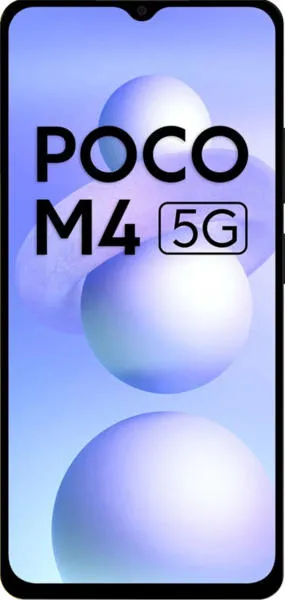
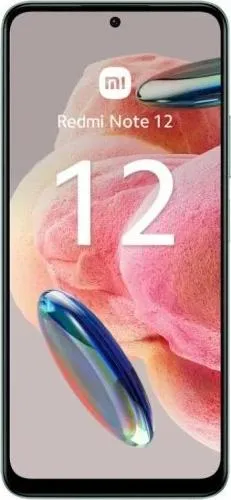
Let's dive into a comparative analysis of the Xiaomi Poco M4 5G and the Xiaomi Redmi Note 12 4G, dissecting their specifications and uncovering what they truly offer the everyday user.
1. Specifications Breakdown
| Feature | Xiaomi Poco M4 5G | Xiaomi Redmi Note 12 4G | Real-World Implications |
|---|---|---|---|
| Design | |||
| Dimensions (mm) | 164 x 76.1 x 8.9 | 165.7 x 76 x 7.9 | Redmi Note 12 4G is slightly larger but thinner. Negligible difference in daily handling. |
| Weight (g) | 200 | 183.5 | Redmi Note 12 4G is noticeably lighter, enhancing one-handed use and reducing pocket fatigue. |
| Display | |||
| Type | IPS LCD | AMOLED | AMOLED offers richer colors, deeper blacks, and better power efficiency in dark mode. |
| Refresh Rate (Hz) | 90 | 120 | Smoother scrolling and animations on the Redmi Note 12 4G, especially noticeable in games and UI navigation. |
| Size (inches) | 6.58 | 6.67 | Redmi Note 12 4G provides a slightly larger viewing area. |
| Resolution | 1080 x 2408 | 1080 x 2400 | Virtually identical sharpness; both offer crisp visuals. |
| Performance | |||
| Chipset | Dimensity 700 | Snapdragon 685 | Both offer similar performance in everyday tasks; Snapdragon 685 may have a slight edge in GPU tasks. |
| CPU | Octa-core | Octa-core | Comparable processing power for general use. |
| RAM (GB) | 4/6 | 4/6/8 | More RAM options on the Redmi Note 12 4G allow for better multitasking and future-proofing. |
| Camera | |||
| Main Camera (MP) | 50 | 48 | Comparable image quality; sensor specifics will determine real-world performance. |
| Features | Basic | Basic | Both offer standard camera features; specific sensor and software processing will differentiate them. |
| Battery Life | |||
| Capacity (mAh) | 5000 | 5000 | Similar battery capacity suggests comparable longevity. AMOLED efficiency might give Redmi Note 12 edge. |
| Connectivity | |||
| 5G | Yes | No | Poco M4 5G offers future-proof connectivity, enabling faster download/upload speeds where available. |
2. Key Insights
- Display: The Redmi Note 12 4G's AMOLED display with a 120Hz refresh rate is a clear winner. It delivers a visually superior experience with vibrant colors, smooth animations, and potentially better battery life compared to the Poco M4 5G's IPS LCD.
- Performance: While both chipsets offer decent performance for everyday use, the Snapdragon 685 in the Redmi Note 12 4G may handle graphics-intensive tasks slightly better. The availability of higher RAM configurations in the Redmi Note 12 4G provides better multitasking capabilities.
- Connectivity: The Poco M4 5G's inclusion of 5G connectivity is a major differentiator. If you're in an area with 5G coverage or plan to be in the future, this phone offers a significant speed advantage.
- Value: The Redmi Note 12 4G generally offers a better price-to-performance ratio due to its superior display and build quality. The Poco M4 5G's advantage lies in its 5G capability.
3. User Profiles and Recommendations
- Poco M4 5G: Best suited for budget-conscious users who prioritize 5G connectivity and future-proofing. It's a practical choice for those who primarily use their phones for communication, web browsing, and light gaming.
- Redmi Note 12 4G: Ideal for users who value a premium multimedia experience. The AMOLED display and higher refresh rate make it excellent for watching videos, playing games, and consuming content.
4. Buying Decision Framework
- Is 5G crucial to you right now? If yes, the Poco M4 5G is the only option.
- Do you prioritize display quality and a smooth user experience? If yes, the Redmi Note 12 4G's AMOLED display and 120Hz refresh rate will be a significant upgrade.
- What's your budget? Compare prices for similar RAM and storage configurations to determine the best value for your money.
My Choice: Redmi Note 12 4G
While I appreciate the future-proofing of 5G, in my daily usage, a superior display and a smooth user experience outweigh the benefits of faster cellular data. The Redmi Note 12 4G's AMOLED display with a 120Hz refresh rate offers a noticeably better visual experience, making everything from scrolling through social media to watching videos more enjoyable. The slightly lighter and thinner design is also a plus. Given the minimal performance difference between the two chipsets for my typical workload, the Redmi Note 12 4G emerges as the clear winner for me. The potential for longer battery life due to the AMOLED's efficiency is another compelling factor. Ultimately, the Redmi Note 12 4G provides a more refined and enjoyable user experience in my opinion.
