Xiaomi Poco M4 5G vs. Xiaomi Redmi 13C: A Deep Dive for the Discerning Smartphone Buyer
Hello, fellow tech explorers! Alex Griffin here, ready to dissect the Xiaomi Poco M4 5G and the Redmi 13C. We'll go beyond the spec sheet to uncover what these phones really offer in terms of daily use. Let's dive in!
1. Specifications Breakdown
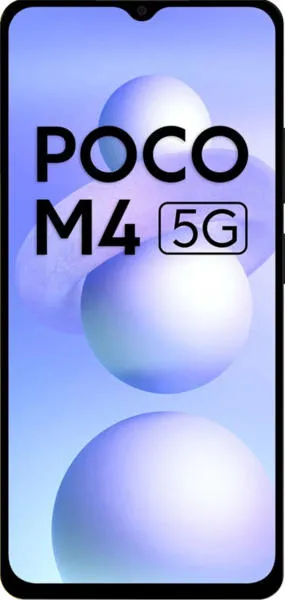
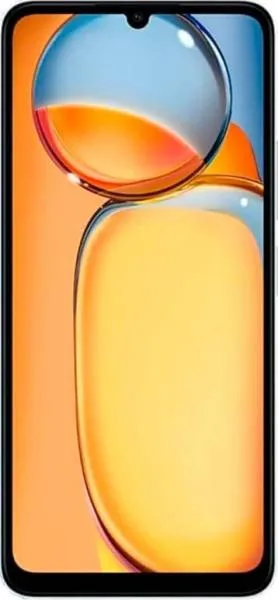
| Feature | Xiaomi Poco M4 5G | Xiaomi Redmi 13C | Real-World Implications |
|---|---|---|---|
| Design | |||
| Dimensions (mm) | 164 x 76.1 x 8.9 | 168 x 78 x 8.1 | Redmi 13C is slightly larger and thicker. Poco M4 5G might feel a tad more compact in hand. |
| Weight (g) | 200 | 192 | Negligible weight difference; both feel comfortable for extended use. |
| Display | |||
| Size (inches) | 6.58 | 6.74 | Redmi 13C offers a larger screen for more immersive media consumption. |
| Resolution | 1080 x 2408 | 720 x 1600 | Poco M4 5G boasts significantly sharper visuals due to higher resolution (Full HD+ vs. HD+). |
| Refresh Rate (Hz) | 90 | 90 | Both offer smooth scrolling and animations thanks to the 90Hz refresh rate. |
| Panel Type | IPS LCD | IPS LCD | Expect vibrant colors and good viewing angles from both, though not as rich as AMOLED. |
| Performance | |||
| Chipset | Dimensity 700 | Helio G85 | Dimensity 700 generally offers slightly better CPU performance and 5G connectivity, which the G85 lacks. |
| CPU | Octa-core | Octa-core | Both are capable for daily tasks, but the Dimensity 700 might handle demanding apps and multitasking more smoothly. |
| RAM (GB) | 4/6 | 4/6/8 | More RAM options available with the Redmi 13C, beneficial for heavy multitaskers. |
| Camera | |||
| Main Camera (MP) | 50 | 50 | Comparable megapixel count, but real-world image quality depends on sensor and processing. |
| Front Camera (MP) | 8 | 5 | Poco M4 5G has a higher resolution front camera for potentially better selfies. |
| Battery | |||
| Capacity (mAh) | 5000 | 5000 | Both offer large batteries, promising all-day battery life. Real-world usage will vary. |
2. Key Insights
- Performance: The Poco M4 5G's Dimensity 700 chip and included 5G connectivity give it a performance edge for future-proofing and faster data speeds. The Redmi 13C's Helio G85, while capable, is a step behind.
- Display: The Redmi 13C has a larger display, but the Poco M4 5G packs a much sharper, higher resolution panel. This makes a noticeable difference in clarity for text, images, and videos.
- Price: The Redmi 13C is positioned in the "low price" segment, making it potentially a more budget-friendly option. The Poco M4 5G occupies the "medium price" range, suggesting a higher initial investment.
3. User Profiles and Recommendations
- Poco M4 5G: Suited for users who prioritize performance, future-proof 5G connectivity, and a sharper display. Ideal for mobile gaming, streaming high-definition content, and those who want a phone that feels snappy.
- Redmi 13C: Best for budget-conscious users who prefer a large screen for media consumption and prioritize battery life. A good choice for casual users focusing on essential tasks like social media, browsing, and light gaming.
4. Buying Decision Framework
- Is 5G connectivity important to you? If yes, the Poco M4 5G is your only option here.
- What's your budget? The Redmi 13C is significantly cheaper. If price is a major constraint, it's the more sensible choice.
- Do you value screen sharpness or size more? The Poco M4 5G has a noticeably crisper display, while the Redmi 13C provides a larger viewing area.
My Choice: The Poco M4 5G
While the Redmi 13C is an attractive budget option, I'd choose the Poco M4 5G. The Dimensity 700's performance advantage, coupled with 5G future-proofing, makes it a more compelling long-term investment. The significantly sharper display also enhances the everyday experience, making everything from browsing to gaming more enjoyable. While the Redmi 13C's larger screen is tempting, I find display clarity to be more crucial for a satisfying smartphone experience. The price difference is justifiable for the noticeable jump in performance and display quality.
