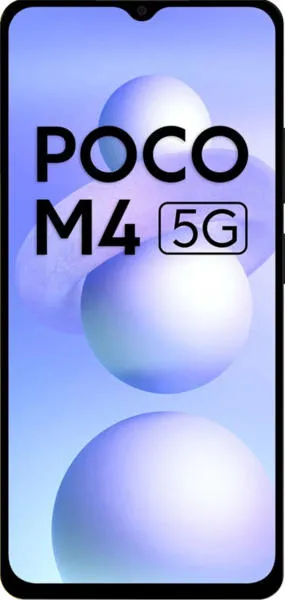
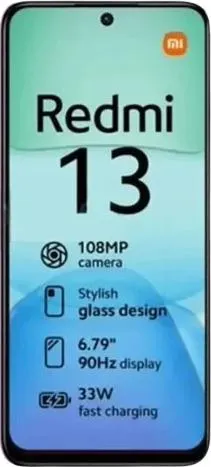
Xiaomi Poco M4 5G vs. Xiaomi Redmi 13: A Deep Dive Comparison
Hello, fellow tech enthusiasts! Today, we're putting the Xiaomi Poco M4 5G and the Xiaomi Redmi 13 head-to-head. Both phones aim for budget-conscious consumers, but subtle differences in their specs create distinct user experiences. Let's dissect these nuances and see which device reigns supreme.
1. Specifications Breakdown
| Feature | Xiaomi Poco M4 5G | Xiaomi Redmi 13 | Real-World Implications |
|---|---|---|---|
| Design | |||
| Dimensions (mm) | 164 x 76.1 x 8.9 | 168.6 x 76.3 x 8.3 | Redmi 13 is slightly larger and thinner. Poco M4 5G might feel a tad more compact in hand. |
| Weight (g) | 200 | 205 | Negligible weight difference in real-world usage. |
| Display | |||
| Size (inches) | 6.58 | 6.79 | Redmi 13 offers a larger screen for more immersive content consumption. |
| Resolution (px) | 1080 x 2408 | 1080 x 2460 | Virtually identical sharpness; Redmi 13's taller aspect ratio might be noticeable. |
| Refresh Rate (Hz) | 90 | 90 | Both offer smooth scrolling and animations. |
| Panel Type | IPS LCD | IPS LCD | Expect vibrant colors and good viewing angles, but potentially lower contrast than OLED. |
| Performance | |||
| Chipset | Dimensity 700 | Helio G91 Ultra | Redmi 13's Helio G91 Ultra likely offers a performance edge in gaming and demanding tasks. |
| CPU | Octa-core | Octa-core | Both are capable for everyday tasks, but core architecture differences might impact speed. |
| RAM (GB) | 4/6 | 6/8 | Redmi 13 generally offers more RAM for smoother multitasking. |
| Camera | |||
| Rear Main (MP) | 13 | 108 | Redmi 13 boasts significantly higher resolution for potentially more detailed photos. |
| Selfie (MP) | 5 | 13 | Redmi 13's higher resolution selfie camera should produce better self-portraits. |
| Battery Life | |||
| Capacity (mAh) | 5000 | 5030 | Negligible difference in battery capacity; real-world usage will vary significantly. |
2. Key Insights
- Performance: The Redmi 13, with its Helio G91 Ultra chipset and higher RAM options, is poised to deliver a smoother experience, especially for gaming and multitasking. The Poco M4 5G, while competent for daily use, might show its limitations under heavy load.
- Camera: The Redmi 13's 108MP main camera sensor is a clear differentiator. While megapixels aren't everything, this substantial increase suggests a potential advantage in detail and low-light performance. The Poco M4 5G's 13MP camera is likely sufficient for casual photography but won't compete with the Redmi 13's imaging capabilities.
- Display & Design: Both phones feature similar display technology and refresh rates, but the Redmi 13 offers a larger screen size for a more immersive experience. Design preferences are subjective, but the Redmi 13's slightly thinner profile might appeal to some.
- 5G Connectivity: A crucial advantage for the Poco M4 5G is its explicit mention of comprehensive 5G band support. The Redmi 13 lacks detailed 5G specifications, raising questions about its 5G capabilities. This could be a deciding factor for users in areas with active 5G deployment.
3. User Profiles and Recommendations
- Poco M4 5G: Best suited for budget-conscious users who prioritize 5G connectivity and a compact form factor. Ideal for everyday tasks like browsing, social media, and casual photography.
- Redmi 13: A strong contender for users seeking a larger display, better performance, and superior camera capabilities. Well-suited for mobile gaming, content consumption, and capturing high-quality photos.
4. Buying Decision Framework
- Is 5G connectivity a must-have? If yes, the Poco M4 5G is the clear winner.
- How important is camera quality? For photography enthusiasts, the Redmi 13's 108MP camera is a compelling feature.
- What's your budget? The Redmi 13 offers compelling value with its enhanced specs, but confirm pricing in your region as it's listed as "low price" while the Poco M4 5G is "medium price".
My Choice: The Redmi 13
While the Poco M4 5G offers confirmed 5G connectivity, I would choose the Redmi 13. The significant upgrade in performance with the Helio G91 Ultra, coupled with the impressive 108MP camera and larger display, creates a compelling package. I value the potential for smoother multitasking, better gaming, and higher quality photos and videos. The slight increase in size doesn't deter me, and I'm willing to investigate 5G band compatibility further to ensure it meets my needs. Ultimately, the Redmi 13 seems to offer a better overall user experience for my priorities.
