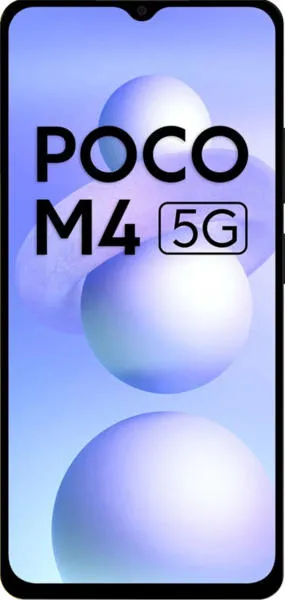
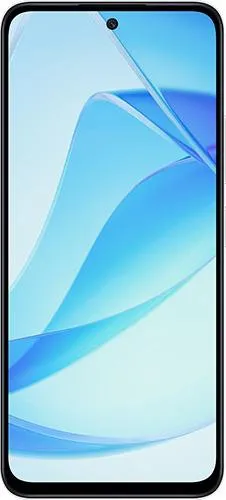
Xiaomi Poco M4 5G vs. Xiaomi Redmi 12 5G: A Detailed Comparison
Let's dive into a head-to-head comparison of the Xiaomi Poco M4 5G and the Xiaomi Redmi 12 5G, dissecting their specifications and uncovering what they truly offer in real-world usage.
1. Specifications Breakdown
| Feature | Xiaomi Poco M4 5G | Xiaomi Redmi 12 5G | Real-World Implications |
|---|---|---|---|
| Design | |||
| Dimensions (mm) | 164 x 76.1 x 8.9 | 168.6 x 76.3 x 8.2 | Redmi 12 5G is slightly larger and thinner. |
| Weight (g) | 200 | 199 | Negligible weight difference. |
| Display | |||
| Size (inches) | 6.58 | 6.79 | Redmi 12 5G offers a larger screen for more immersive content. |
| Resolution (px) | 1080 x 2408 | 1080 x 2460 | Similar sharpness; Redmi 12 5G slightly taller aspect ratio. |
| Type | IPS LCD, 90Hz | IPS LCD, 90Hz | Both offer smooth scrolling and vibrant colors. |
| Performance | |||
| Chipset | Dimensity 700 (7nm) | Snapdragon 4 Gen 2 (4nm) | Snapdragon 4 Gen 2 likely offers better power efficiency & performance. |
| CPU | Octa-core (2x2.2 GHz A76, 6x2.0 GHz A55) | Octa-core (2x2.2 GHz A78, 6x1.95 GHz A55) | Redmi 12 5G boasts newer, more powerful CPU cores. |
| GPU | Mali-G57 MC2 | Adreno 613 | Adreno 613 generally provides a smoother gaming experience. |
| RAM | 4/6GB | 4/6/8GB | Redmi 12 5G offers a higher RAM option for better multitasking. |
| OS | Android 12 | Android 13 | Redmi 12 5G comes with a newer OS and likely longer updates. |
| Camera | |||
| Rear Main | 50MP | 50MP | Comparable resolution. |
| Rear Depth | 2MP | 8MP | Redmi 12 5G should provide better depth sensing for portraits. |
| Front | 8MP | 5MP | Poco M4 5G has a slightly higher resolution front camera. |
| Battery Life | |||
| Capacity (mAh) | 5000 | 5000 | Same battery capacity, but real-world usage will vary. |
2. Key Insights
- Performance: The Redmi 12 5G, with its newer Snapdragon 4 Gen 2 chipset and more powerful CPU cores, is likely to deliver a noticeable performance boost in everyday tasks and gaming compared to the Poco M4 5G. The Adreno 613 GPU also suggests a better gaming experience on the Redmi 12 5G.
- Software: The Redmi 12 5G's advantage of shipping with Android 13 translates to a more modern user interface and potentially longer software support from Xiaomi.
- Display: While both phones offer similar display sharpness and 90Hz refresh rates, the Redmi 12 5G provides a slightly larger screen, offering a more immersive experience for media consumption.
- Camera: On paper, the rear main cameras look identical. However, the Redmi 12 5G’s dedicated 8MP depth sensor promises better bokeh in portrait mode. The Poco M4 5G boasts a slightly better front-facing camera. We need real-world testing to confirm actual image quality.
- NFC: The Poco M4 5G has NFC for contactless payments, a feature missing on the Redmi 12 5G. This could be a deciding factor for some users.
3. User Profiles and Recommendations
- Poco M4 5G: Best suited for budget-conscious users who prioritize NFC functionality and a more compact form factor. It's a good option for light users focusing on essential tasks like calling, messaging, and web browsing.
- Redmi 12 5G: Ideal for users seeking better performance, a larger display, and a newer operating system with longer update prospects. This phone caters well to gamers, multimedia enthusiasts, and those who value future-proofing.
4. Buying Decision Framework
- Is NFC a must-have? If yes, the Poco M4 5G is the only option.
- How important is performance and future-proofing? If this is a priority, the Redmi 12 5G's newer hardware and software give it a significant edge.
- What's your budget? Considering the minimal price difference, the Redmi 12 5G generally offers greater value.
My Choice: Xiaomi Redmi 12 5G
While the Poco M4 5G offers NFC, I would choose the Redmi 12 5G. The performance gains from the Snapdragon 4 Gen 2, coupled with the newer Android version and larger display, outweigh the NFC advantage for me. The slightly improved depth sensor is also a welcome addition. In the long run, the Redmi 12 5G promises a smoother, more future-proof experience. This aligns with my preference for a phone that can handle demanding tasks and remain relevant for a longer period.
