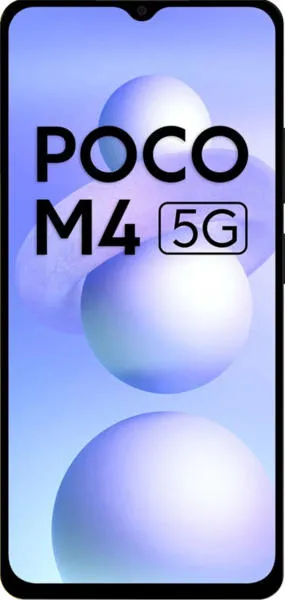
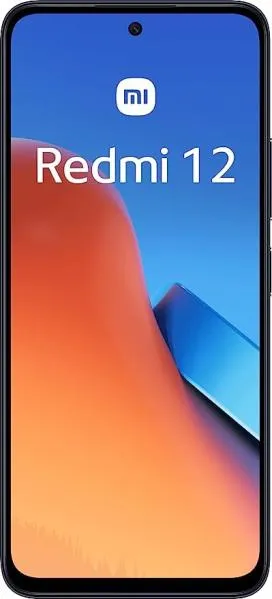
Xiaomi Poco M4 5G vs. Xiaomi Redmi 12: A Detailed Comparison
Let's dive deep into the specs of the Xiaomi Poco M4 5G and the Xiaomi Redmi 12, translating the technical jargon into real-world implications for you.
1. Specifications Breakdown
| Feature | Xiaomi Poco M4 5G | Xiaomi Redmi 12 | Real-World Implications |
|---|---|---|---|
| Design | |||
| Dimensions (mm) | 164 x 76.1 x 8.9 | 168.6 x 76.3 x 8.2 | Redmi 12 is slightly larger and thinner. Poco M4 5G might feel a tad more compact in hand. |
| Weight (g) | 200 | 198.5 | Negligible weight difference; both feel comfortable for extended use. |
| Display | |||
| Size (inches) | 6.58 | 6.79 | Redmi 12 offers a larger screen for more immersive media consumption. |
| Resolution (px) | 1080 x 2408 | 1080 x 2460 | Virtually identical sharpness; both offer crisp visuals. Redmi 12's slightly taller aspect ratio might be preferable. |
| Refresh Rate (Hz) | 90 | 90 | Both offer smooth scrolling and animations, enhancing the user experience. |
| Type | IPS LCD | IPS LCD | Expect vibrant colors and good viewing angles, though not as rich as AMOLED displays. |
| Performance | |||
| Chipset | Dimensity 700 | Helio G88 | Dimensity 700 generally offers better CPU performance and 5G connectivity. Helio G88 might have a slight GPU edge. |
| CPU | Octa-core | Octa-core | Both handle everyday tasks well, but Dimensity 700 provides a smoother experience with demanding applications. |
| RAM (GB) | 4/6 | 4/6/8 | Redmi 12 offers an 8GB RAM option for enhanced multitasking. |
| Camera | |||
| Main Camera (MP) | 50 | 50 | Comparable main camera resolution, but image quality depends on sensor and software processing. |
| Other Cameras | 8MP ultrawide, 2MP macro | 8MP ultrawide, 2MP macro, 2MP depth sensor | Redmi 12 adds a depth sensor for potentially better portrait mode shots. |
| Battery Life | |||
| Capacity (mAh) | 5000 | 5000 | Similar battery capacities suggest comparable battery life, depending on usage patterns. |
2. Key Insights
Performance: The Poco M4 5G, with its Dimensity 700 chip, delivers stronger overall performance and crucially, offers 5G connectivity. The Redmi 12's Helio G88 might handle gaming slightly better due to its marginally faster GPU clock speed, but the difference is subtle.
Display: Both phones have 90Hz IPS LCDs, making for fluid scrolling. The Redmi 12's slightly larger display provides a more immersive experience for media consumption.
Camera: While both boast a 50MP main camera, real-world performance will depend on factors beyond resolution. The Redmi 12's added depth sensor could provide a slight advantage in portrait mode.
Software: Redmi 12 ships with the newer Android 13, offering potential advantages in features and long-term software updates compared to Poco M4 5G's Android 12.
3. User Profiles and Recommendations
Poco M4 5G: Ideal for users who prioritize future-proofing with 5G connectivity, desire a compact form factor, and need reliable overall performance for everyday tasks.
Redmi 12: Best suited for users who prioritize a larger display for media consumption, value having the latest Android version, and appreciate a slightly more affordable price point. The 8GB RAM option is a boon for heavy multitasking.
4. Buying Decision Framework
- Do you need 5G connectivity? If yes, the Poco M4 5G is your only option here.
- Is a larger display crucial for your usage? If yes, lean towards the Redmi 12.
- What's your budget? The Redmi 12 generally offers a lower price point, particularly attractive in its higher RAM configurations.
My Choice:
I'd choose the Xiaomi Redmi 12. While I appreciate the 5G capability of the Poco M4 5G, I prioritize a larger display for content consumption and appreciate the newer Android OS and potential for longer software support. The availability of an 8GB RAM option on the Redmi 12 seals the deal for me, ensuring smoother performance in the long run and providing a better value proposition. The slightly more modern design of the Redmi 12 is also a plus. While the lack of 5G is a consideration, where I live 5G rollout is still limited, making it less of a deciding factor at this time.
