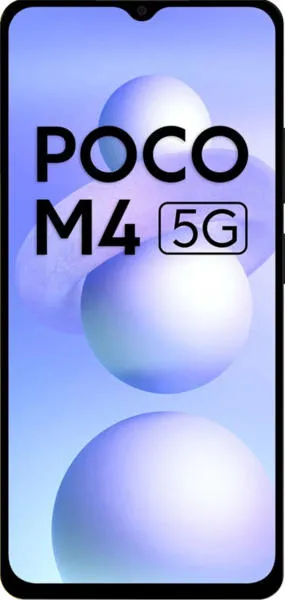
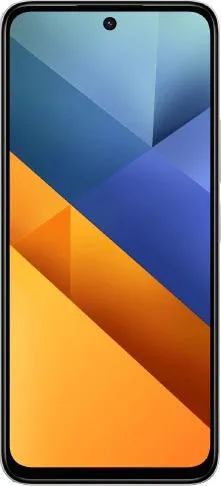
Xiaomi Poco M4 5G vs. Xiaomi Poco M6 4G: A Detailed Comparison
Hello fellow tech enthusiasts! Alex Griffin here, ready to dissect the Xiaomi Poco M4 5G and the Xiaomi Poco M6 4G. We'll delve into their specs, translate them into real-world performance, and help you decide which phone fits your needs.
1. Specifications Breakdown
| Feature | Xiaomi Poco M4 5G | Xiaomi Poco M6 4G | Real-World Implications |
|---|---|---|---|
| Design | |||
| Dimensions (mm) | 164 x 76.1 x 8.9 | 168.6 x 76.3 x 8.3 | M6 4G is slightly larger and thinner. Negligible difference in daily use. |
| Weight (g) | 200 | 205 | Virtually identical weight; both feel substantial in hand. |
| Display | |||
| Size (inches) | 6.58 | 6.79 | M6 4G offers a larger screen for more immersive media consumption. |
| Resolution (px) | 1080 x 2408 | 1080 x 2460 | Similar sharpness; both are crisp for everyday use. |
| Refresh Rate (Hz) | 90 | 90 | Smooth scrolling and animations on both devices. |
| Panel Type | IPS LCD | IPS LCD | Expect vibrant colors, good viewing angles, but potentially less contrast than AMOLED. |
| Performance | |||
| Chipset | Dimensity 700 (7nm) | Helio G91 (12nm) | M6 4G boasts a more powerful processor for smoother multitasking and demanding games. |
| CPU | Octa-core | Octa-core | Both offer capable performance for everyday tasks. M6 4G has an edge in heavy lifting. |
| RAM (GB) | 4/6 | 6/8 | M6 4G offers more RAM options for better multitasking and future-proofing. |
| Camera | |||
| Main Camera (MP) | 50 | 108 | M6 4G significantly higher resolution allows for more detailed photos and potential cropping. |
| Selfie Camera (MP) | 8 | 16 | M6 4G likely produces better selfies with more detail. |
| Battery Life | |||
| Capacity (mAh) | 5000 | 5030 | Negligible difference in battery capacity; expect all-day battery life from both. |
| Connectivity | |||
| 5G | Yes | No | M4 5G offers future-proof connectivity with faster data speeds where available. |
| NFC | Yes | Yes | Both support contactless payments and data transfer. |
| Price | Medium | Low | M6 4G offers a compelling value proposition with competitive specs at a lower price point. |
2. Key Insights
- Performance: The Poco M6 4G pulls ahead with its more powerful Helio G91 processor and larger RAM options. This translates to smoother gaming, faster app loading, and better multitasking. The M4 5G is no slouch, handling everyday tasks with ease, but the M6 4G provides a noticeable performance boost.
- Camera: The 108MP main camera on the M6 4G is a clear winner in terms of resolution, offering significantly more detail than the M4 5G's 50MP sensor. This allows for greater flexibility in cropping and potentially better low-light performance. The improved selfie camera on the M6 4G is also a welcome upgrade.
- Connectivity: The M4 5G's inclusion of 5G connectivity is a major advantage for future-proofing. If you're in an area with 5G coverage or anticipate it soon, the faster download speeds and reduced latency will be a significant benefit.
- Value: The Poco M6 4G offers incredible value for its price, packing impressive specs into a budget-friendly package. The M4 5G justifies its slightly higher price with 5G connectivity, making it a good choice for those who prioritize future-proof networking.
3. User Profiles and Recommendations
- Poco M4 5G: Ideal for users who prioritize 5G connectivity and want a reliable, all-around device for everyday tasks. Good for light gaming, social media, and web browsing.
- Poco M6 4G: Best suited for budget-conscious users who demand strong performance and a great camera. Excellent for mobile gaming, photography enthusiasts, and those who consume a lot of media on their phones.
4. Buying Decision Framework
- Is 5G a must-have? If yes, the Poco M4 5G is your only option here.
- What's your budget? The Poco M6 4G offers significantly better value if you're on a tight budget.
- What are your primary use cases? For demanding gaming and photography, the Poco M6 4G excels. For general use with future-proof connectivity, the M4 5G is a solid choice.
My Choice: The Poco M6 4G
While I appreciate the future-proofing of 5G, I would personally choose the Poco M6 4G. The significant jump in performance with the Helio G91 processor, coupled with the impressive 108MP camera and the lower price point, makes it a compelling package. As a tech enthusiast, I value raw performance and the ability to capture stunning photos, and the M6 4G delivers on both fronts without breaking the bank. Unless I was in an area with readily available 5G and heavily relied on mobile data speed, the performance and camera advantages of the M6 4G outweigh the benefits of 5G for my personal needs.
