Xiaomi Poco M4 5G vs. Xiaomi 13 Lite: A Comparative Deep Dive
Let's dissect the Xiaomi Poco M4 5G and the Xiaomi 13 Lite, two compelling mid-range contenders, to see which phone truly delivers the goods. I'll break down the specs, translate them into real-world performance, and help you decide which device fits your needs.
1. Specifications Breakdown
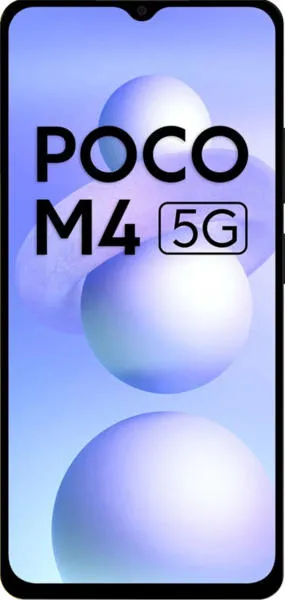
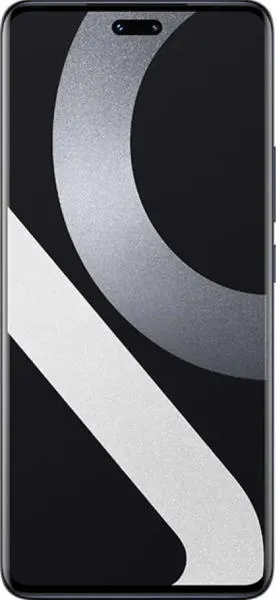
| Feature | Xiaomi Poco M4 5G | Xiaomi 13 Lite | Real-World Implications |
|---|---|---|---|
| Design | |||
| Dimensions (mm) | 164 x 76.1 x 8.9 | 159.2 x 72.7 x 7.2 | 13 Lite is noticeably slimmer and more compact. |
| Weight (g) | 200 | 171 | 13 Lite feels significantly lighter in hand, enhancing one-handed use. |
| Display | |||
| Type | IPS LCD | AMOLED | 13 Lite offers richer colors, deeper blacks, and superior contrast. |
| Refresh Rate (Hz) | 90 | 120 | 13 Lite provides smoother scrolling and animations, especially noticeable in games and fast-paced content. |
| Peak Brightness (nits) | 500 (HBM) | 1000 | 13 Lite's display is far more visible in direct sunlight. |
| HDR Support | No | HDR10+, Dolby Vision | 13 Lite delivers a more dynamic and immersive visual experience with compatible content. |
| Performance | |||
| Chipset | Mediatek Dimensity 700 | Qualcomm Snapdragon 7 Gen 1 | 13 Lite offers significantly faster processing power for demanding tasks and gaming. |
| CPU | Octa-core (2x2.2 GHz A76 & 6x2.0 GHz A55) | Octa-core (1x2.4 GHz A710 & 3x2.36 GHz A710 & 4x1.8 GHz A510) | The 13 Lite's more modern CPU architecture delivers superior performance and efficiency. |
| GPU | Mali-G57 MC2 | Adreno 644 | 13 Lite boasts a more powerful GPU, translating to smoother gaming and faster graphics rendering. |
| RAM (GB) | 4/6 | 8 | 13 Lite offers more RAM for seamless multitasking and app switching. |
| Camera | |||
| Main Camera (MP) | 50 | 50 | Comparable resolution, but the 13 Lite uses a superior Sony IMX766 sensor, likely resulting in better image quality. |
| Front Camera (MP) | 8 | 32+8 | 13 Lite significantly upgrades the selfie experience with a higher resolution dual camera setup. |
| Video | 1080p@30fps | 4K@30fps, 1080p@120fps | 13 Lite offers superior video recording capabilities, including 4K resolution and slow-motion options. |
| Battery Life | |||
| Capacity (mAh) | 5000 | 4500 | Poco M4 5G has a larger battery, potentially offering longer usage time despite a less efficient chipset. |
2. Key Insights
The Xiaomi 13 Lite is a clear step up in almost every category. Its AMOLED display with a 120Hz refresh rate offers a dramatically better visual experience compared to the Poco M4 5G's LCD. The Snapdragon 7 Gen 1 chipset provides a substantial performance boost for gaming, multitasking, and demanding applications. The 13 Lite also boasts a significantly enhanced camera system, particularly for selfie enthusiasts.
However, the Poco M4 5G holds a potential advantage in battery life thanks to its larger 5000mAh battery. While the 13 Lite's more efficient chipset mitigates this somewhat, heavy users might still find the Poco M4 5G lasting longer on a single charge.
3. User Profiles and Recommendations
- Xiaomi Poco M4 5G: Best suited for budget-conscious users prioritizing battery life and basic functionality. Ideal for casual users primarily focused on communication, web browsing, and light media consumption.
- Xiaomi 13 Lite: Ideal for users seeking a well-rounded experience with a premium display, strong performance, and capable cameras. Excellent for mobile gamers, content creators, and those who value a smooth and responsive user interface.
4. Buying Decision Framework
- What is your budget? The Poco M4 5G is significantly more affordable.
- What are your primary smartphone uses? For basic tasks, the Poco M4 5G suffices; for demanding applications and gaming, the 13 Lite is superior.
- How important is display quality and camera performance? The 13 Lite excels in these areas.
My Choice: I would choose the Xiaomi 13 Lite. While the Poco M4 5G offers excellent value for its price, the 13 Lite's superior display, performance, and camera system are compelling upgrades. The slimmer design and lighter weight are also significant factors for me. As a tech journalist, I need a phone that can handle demanding tasks, capture high-quality photos and videos, and provide a smooth and enjoyable user experience. The 13 Lite delivers on all fronts, making it the better choice for my needs. The slightly reduced battery life is a trade-off I'm willing to make for the significant gains in other areas.
