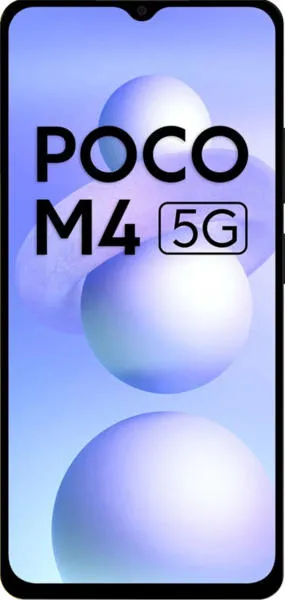
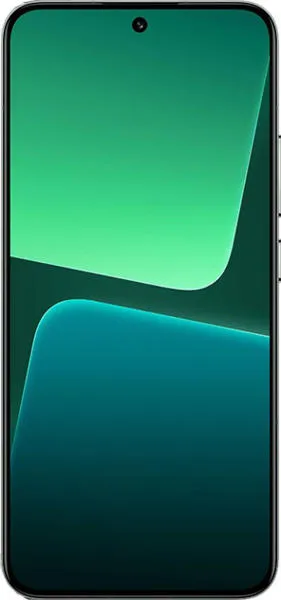
Xiaomi Poco M4 5G vs. Xiaomi 13: A Deep Dive
Let's dissect these two Xiaomi phones, the Poco M4 5G and the flagship Xiaomi 13, to see what they offer and who they're for. We'll go beyond the spec sheet to understand how these numbers translate to your daily experience.
1. Specifications Breakdown
| Feature | Xiaomi Poco M4 5G | Xiaomi 13 | Real-World Implications |
|---|---|---|---|
| Design | |||
| Dimensions (mm) | 164 x 76.1 x 8.9 | 152.8 x 71.5 x 8.0 | Xiaomi 13 is noticeably more compact and likely to feel better in hand. |
| Weight (g) | 200 | 185 | Lighter weight of the 13 enhances one-handed usability. |
| Display | |||
| Type | IPS LCD, 90Hz | AMOLED, 120Hz | Xiaomi 13 offers deeper blacks, richer colors, and smoother scrolling thanks to AMOLED and higher refresh rate. |
| Size (inches) | 6.58 | 6.36 | Negligible difference in screen real estate. |
| Resolution | 1080 x 2408 | 1080 x 2400 | Similar sharpness; pixel density difference is minimal. |
| Peak Brightness (nits) | ~500 (estimated) | 1900 | Xiaomi 13 boasts far superior outdoor visibility. |
| Performance | |||
| Chipset | Mediatek Dimensity 700 | Snapdragon 8 Gen 2 | Xiaomi 13 will deliver significantly faster performance in demanding tasks like gaming and multitasking due to the flagship Snapdragon chip. |
| CPU | Octa-core (2x2.2 GHz A76 & 6x2.0 GHz A55) | Octa-core (1x3.2 GHz X3 &...) | Xiaomi 13's CPU architecture is more powerful and efficient. |
| GPU | Mali-G57 MC2 | Adreno 740 | A substantial difference in graphics performance; Xiaomi 13 excels in gaming and graphically intensive applications. |
| RAM | 4/6GB | 8/12GB | More RAM in the Xiaomi 13 enables smoother multitasking and better handling of large applications. |
| Camera | |||
| Main Camera | 50MP | 50MP (Leica lens) | Both have high megapixel counts, but the Xiaomi 13's Leica lens likely results in superior image quality, especially in challenging lighting conditions. |
| Video Recording | 1080p@30fps | 8K@24fps | Xiaomi 13 offers substantially higher resolution video recording capabilities. |
| Battery Life | |||
| Capacity | 5000 mAh | 4500 mAh | Poco M4 5G likely has longer battery life due to larger capacity; however, real-world usage depends on various factors. |
2. Key Insights
- Performance Disparity: The Xiaomi 13, with its Snapdragon 8 Gen 2, trounces the Poco M4 5G in performance. This translates to a smoother, faster experience across the board, especially in demanding tasks.
- Display Quality: The Xiaomi 13's AMOLED display delivers vibrant colors and deep blacks, along with a smoother 120Hz refresh rate. The Poco M4 5G's LCD is functional but less impressive.
- Camera Prowess: While both have 50MP main cameras, the Xiaomi 13 benefits from Leica's optical expertise and offers superior video recording capabilities.
- Battery Life Considerations: The Poco M4 5G's larger battery likely provides longer battery life, but the Xiaomi 13's more efficient processor could narrow the gap in real-world use.
3. User Profiles and Recommendations
- Poco M4 5G: Suited for budget-conscious users prioritizing battery life and basic functionality. Ideal for social media, web browsing, and casual gaming.
- Xiaomi 13: Ideal for power users and enthusiasts demanding top-tier performance, a premium display, and advanced camera features. Excellent for mobile gaming, content creation, and multitasking.
4. Buying Decision Framework
- What's your budget? The Poco M4 5G is a budget-friendly option, while the Xiaomi 13 is a premium flagship.
- What are your performance needs? If you need a phone for demanding tasks or gaming, the Xiaomi 13 is the clear winner.
- What features matter most? Prioritize battery life? Choose the Poco M4 5G. Prioritize display and camera quality? The Xiaomi 13 excels.
My Choice: Xiaomi 13
While the Poco M4 5G offers great value for its price, I would choose the Xiaomi 13. As a tech journalist, having a device with top-tier performance, a stunning display, and a capable camera is crucial. The smooth 120Hz AMOLED screen, the powerful Snapdragon 8 Gen 2, and the Leica-tuned camera system are compelling features that significantly enhance my workflow and overall user experience. Although the battery capacity is slightly smaller, I'm willing to trade that for the significant performance and feature upgrades the Xiaomi 13 offers. The compact form factor is also a plus for me. While the price is higher, the long-term benefits in terms of performance, longevity, and user experience justify the investment.
