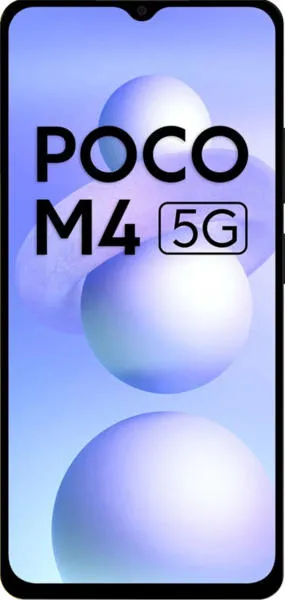
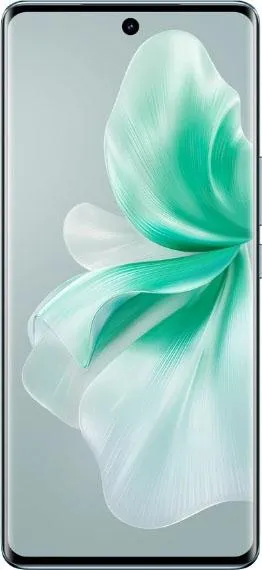
Let's dive into a comparative analysis of the Xiaomi Poco M4 5G and the vivo V30, dissecting their specifications and uncovering what they truly offer the user.
1. Specifications Breakdown
| Feature | Xiaomi Poco M4 5G | vivo V30 | Real-World Implications |
|---|---|---|---|
| Design | |||
| Dimensions (mm) | 164 x 76.1 x 8.9 | 164.4 x 75.1 x 7.5 | V30 is slightly thinner and lighter, potentially more comfortable for extended use. |
| Weight (g) | 200 | 186 | Noticeable difference in hand; V30 feels less bulky. |
| Display | |||
| Type | IPS LCD, 90Hz | AMOLED, 120Hz | V30 boasts richer colors, deeper blacks, and smoother scrolling thanks to AMOLED and higher refresh rate. |
| Size | 6.58" | 6.78" | V30 offers a larger screen for more immersive content consumption. |
| Resolution | 1080 x 2408 | 1260 x 2800 | V30 has a sharper display with higher pixel density. |
| Brightness (nits) | 500 (HBM) | 1200 (HBM), 2800 (peak) | V30 excels in outdoor visibility with significantly higher brightness. |
| Performance | |||
| Chipset | Mediatek Dimensity 700 (7nm) | Qualcomm Snapdragon 7 Gen 3 (4nm) | V30's newer, more powerful processor will deliver significantly better performance in demanding tasks and gaming. |
| CPU | Octa-core (2x2.2 GHz Cortex-A76 & 6x2.0 GHz Cortex-A55) | Octa-core (1x2.63 GHz Cortex-A715 & 3x2.4 GHz Cortex-A715 & 4x1.8 GHz Cortex-A510) | V30's CPU architecture is more modern and efficient, translating to faster app loading, smoother multitasking, and better sustained performance. |
| RAM | 4/6GB | 8/12GB | V30 offers more RAM for seamless multitasking and demanding applications. |
| Camera | |||
| Main Camera | 50MP | 50MP + 50MP (wide) | Both have high-resolution main sensors, but V30 adds a versatile wide-angle lens. |
| Front Camera | 16MP | 50MP | V30 has a much higher resolution selfie camera. |
| Video | 1080p@30fps | 4K@30fps | V30 can record higher resolution video. |
| Battery Life | |||
| Capacity | 5000 mAh | 5000 mAh | Similar battery capacities suggest comparable battery life, but real-world usage will depend on optimization and display technology. V30's AMOLED might be more power efficient in some scenarios. |
2. Key Insights
The vivo V30 positions itself as a clear winner in terms of overall performance and display quality. Its Snapdragon 7 Gen 3 chipset, coupled with ample RAM, will provide a noticeably smoother and more responsive experience compared to the Poco M4 5G. The V30's brilliant AMOLED display with a 120Hz refresh rate further elevates the user experience, especially for media consumption and gaming.
The Poco M4 5G, however, focuses on affordability. While its performance is respectable for everyday tasks, it won't match the V30's prowess in demanding applications or heavy multitasking.
3. User Profiles and Recommendations
Poco M4 5G: Budget-conscious users who prioritize basic functionality, reliable connectivity (5G), and all-day battery life. Ideal for social media browsing, casual gaming, and communication.
vivo V30: Users who demand a premium experience with a vibrant display, smooth performance, versatile camera system, and future-proof features. Suitable for mobile gaming, content creation, photography enthusiasts, and those who value a sleek design.
4. Buying Decision Framework
Questions to Ask:
- What is your budget? The Poco M4 5G offers excellent value for its price, while the vivo V30 commands a higher premium.
- What are your primary smartphone usage patterns? Casual users might find the Poco M4 5G sufficient, while power users will appreciate the V30's capabilities.
- Which features are most important to you? Prioritize display quality, performance, or camera capabilities based on your individual needs.
My Choice
If I were choosing between these two phones, I would opt for the vivo V30. While it's more expensive, the superior display, significantly faster processor, greater RAM, more versatile camera system, and longer software support make it a worthwhile investment in the long run. As someone who values a smooth and responsive user experience, the V30's performance and display are compelling. The added benefit of a better camera and the promise of longer software updates solidifies its position as the better choice for my needs. The Poco M4 5G is a solid budget option, but the V30 offers a tangible leap in overall quality and future-proofing.
