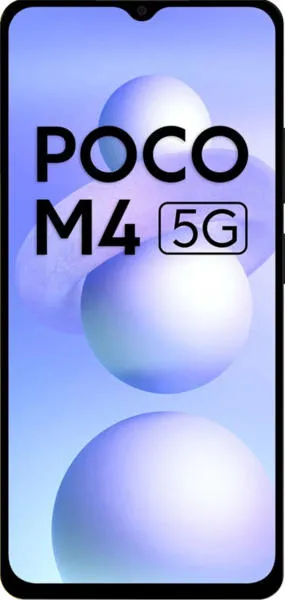
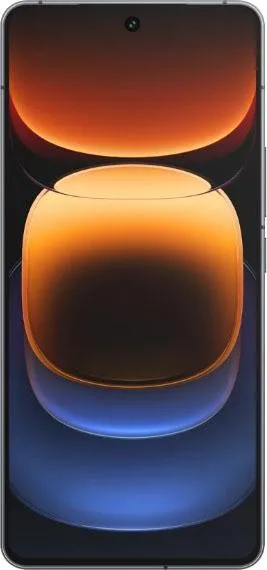
Let's dive into a comparative analysis of the Xiaomi Poco M4 5G and the vivo iQOO 12, dissecting their specifications and translating them into real-world user experiences.
1. Specifications Breakdown
| Feature | Xiaomi Poco M4 5G | vivo iQOO 12 | Real-World Implications |
|---|---|---|---|
| Design | |||
| Dimensions (mm) | 164 x 76.1 x 8.9 | 163.2 x 75.9 x 8.1 | iQOO 12 slightly more compact and thinner. |
| Weight (g) | 200 | 198.5 | Negligible difference in weight; both feel comfortable in hand. |
| Display | |||
| Type | IPS LCD, 90Hz | LTPO AMOLED, 144Hz | iQOO 12: Superior contrast, vibrant colors, smoother scrolling. |
| Size (inches) | 6.58 | 6.78 | iQOO 12: Larger screen for immersive content. |
| Resolution | 1080 x 2408 | 1260 x 2800 | iQOO 12: Sharper, more detailed visuals. |
| Brightness (nits) | 500 (HBM) | 1400 (HBM), 3000 (peak) | iQOO 12: Significantly brighter, excellent outdoor visibility. |
| Performance | |||
| Chipset | Dimensity 700 (7nm) | Snapdragon 8 Gen 3 (4nm) | iQOO 12: Vastly superior processing power for demanding tasks and gaming. |
| CPU | Octa-core (2x2.2 GHz A76 & 6x2.0 GHz A55) | Octa-core (1x3.3 GHz X4 & 7x A720/A520) | iQOO 12: Faster, more efficient CPU architecture. |
| GPU | Mali-G57 MC2 | Adreno 750 | iQOO 12: Much more powerful GPU for high-end gaming. |
| RAM | 4/6GB | 12/16GB | iQOO 12: Significantly more RAM for multitasking and future-proofing. |
| Camera | |||
| Main Camera | 50MP | 50MP (OV50H) | Comparable resolution, but sensor quality likely differs. |
| Other Cameras | 2MP Depth, 8MP Front | 50MP Ultrawide, 64MP Telephoto, 16MP Front | iQOO 12: Versatile camera system with advanced capabilities. |
| Video | 1080p@30fps | 8K@30fps | iQOO 12: Significantly higher video resolution capabilities. |
| Battery Life | |||
| Capacity (mAh) | 5000 | 5000 | Similar battery capacity. |
2. Key Insights
The vivo iQOO 12 significantly outperforms the Poco M4 5G in almost every aspect. The iQOO 12 boasts a flagship-level Snapdragon 8 Gen 3 processor, a stunning high refresh rate AMOLED display, and a versatile camera system capable of 8K video recording. The Poco M4 5G, on the other hand, targets budget-conscious users with its Dimensity 700 processor and a more basic feature set. While it offers 5G connectivity and decent battery life, its performance capabilities are considerably lower.
Real-World Differences: The iQOO 12 will handle demanding games, intensive multitasking, and content creation with ease. The Poco M4 5G is suitable for everyday tasks like web browsing, social media, and casual gaming, but will struggle with more resource-intensive applications. The iQOO 12's superior display offers a richer visual experience with deeper blacks, punchier colors, and smoother animations.
3. User Profiles and Recommendations
Poco M4 5G: Best suited for budget-conscious users who prioritize 5G connectivity and basic smartphone functionality. Ideal for light users who primarily use their phones for communication, social media, and casual tasks.
vivo iQOO 12: Ideal for power users, gamers, and content creators who demand top-tier performance, a premium display, and advanced camera features. The iQOO 12 offers a flagship-level experience without the typical flagship price tag.
4. Buying Decision Framework
- What is your budget? The Poco M4 5G is significantly more affordable.
- What are your primary smartphone usage patterns? Light users will find the Poco M4 5G sufficient, while power users will appreciate the iQOO 12's capabilities.
- Do you prioritize performance, display quality, and camera features? If yes, the iQOO 12 is the clear winner.
My Choice: vivo iQOO 12
If I were choosing between these two phones, I would opt for the vivo iQOO 12. While the Poco M4 5G offers excellent value for its price, the iQOO 12's significant performance advantage, stunning display, and versatile camera system are compelling. As someone who values a smooth and responsive user experience, the combination of the Snapdragon 8 Gen 3 and the 144Hz AMOLED display is a major draw. The future-proofing offered by the higher RAM capacity and the advanced camera features further solidify the iQOO 12 as the better long-term investment, even with the higher price. The marginal difference in physical size and weight wouldn't deter me from choosing the phone with vastly superior overall capabilities.
