Xiaomi Poco M4 5G vs. Sony Xperia 1 VI: A Deep Dive
Let's dissect the Xiaomi Poco M4 5G and the Sony Xperia 1 VI, two phones occupying different ends of the price spectrum but both vying for your attention. We'll go beyond the spec sheet to understand what these numbers really mean for you.
1. Specifications Breakdown
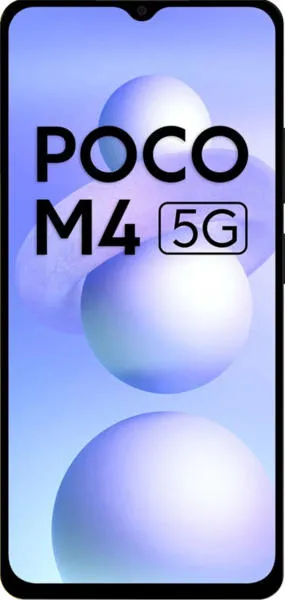
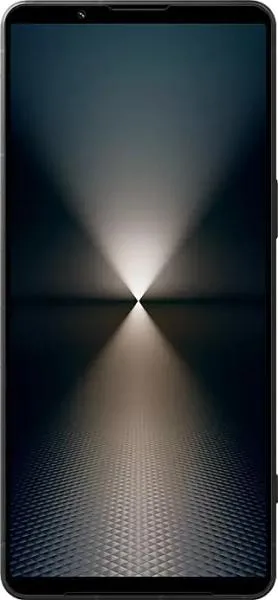
| Feature | Xiaomi Poco M4 5G | Sony Xperia 1 VI | Real-World Implications |
|---|---|---|---|
| Design | |||
| Dimensions (mm) | 164 x 76.1 x 8.9 | 162 x 74 x 8.2 | Xperia 1 VI is slightly more compact and pocketable. |
| Weight (g) | 200 | 192 | Xperia 1 VI feels lighter in hand despite minimal difference. |
| Build Materials | Plastic | Glass, Aluminum | Xperia 1 VI offers a more premium and durable feel. |
| Display | |||
| Type | IPS LCD | LTPO OLED | Xperia 1 VI delivers deeper blacks, richer colors, and better power efficiency. |
| Size (inches) | 6.58 | 6.5 | Negligible size difference in practical use. |
| Resolution | 1080 x 2408 | 1080 x 2340 | Similar sharpness; both are crisp for everyday tasks. |
| Refresh Rate (Hz) | 90 | 120 | Xperia 1 VI provides smoother scrolling and animations. |
| Performance | |||
| Chipset | Dimensity 700 | Snapdragon 8 Gen 3 | Xperia 1 VI offers significantly faster processing, smoother multitasking, and superior gaming. |
| CPU | Octa-core (2.2 GHz) | Octa-core (3.3 GHz) | Xperia 1 VI boasts considerably higher clock speeds for demanding tasks. |
| RAM (GB) | 4/6 | 12 | Xperia 1 VI allows for seamless multitasking and app switching. |
| Camera | |||
| Main Camera (MP) | 50 | 48 | Xperia 1 VI utilizes a larger sensor (1/1.4") with advanced features like pixel binning, resulting in potentially better low-light performance and dynamic range. |
| Zoom | Digital | Optical (7.1x) | Xperia 1 VI provides true lossless zoom for distant subjects. |
| Video | 1080p@30fps | 4K@120fps | Xperia 1 VI offers significantly higher resolution and frame rate video recording. |
| Battery Life | |||
| Capacity (mAh) | 5000 | 5000 | Similar battery capacity; real-world usage will depend on software optimization and display technology. |
2. Key Insights
The Poco M4 5G focuses on affordability and provides a decent overall experience for basic tasks. Its strengths lie in its large battery and adequate display for media consumption.
The Xperia 1 VI, on the other hand, is a flagship device prioritizing performance, camera technology, and a premium user experience. Its superior processor, advanced camera system with optical zoom, and stunning OLED display cater to demanding users.
Trade-offs: The Poco M4 5G compromises on build quality, processing power, and camera features to achieve its lower price point. The Xperia 1 VI, while offering top-tier specs, comes at a significantly higher cost.
3. User Profiles and Recommendations
Poco M4 5G: Ideal for budget-conscious users who prioritize battery life and basic functionality. Students, casual users, and those seeking a reliable secondary device would find it suitable.
Xperia 1 VI: Perfect for power users, mobile photographers/videographers, and gamers who demand top-tier performance and cutting-edge features. Professionals, content creators, and tech enthusiasts would appreciate its capabilities.
4. Buying Decision Framework
- What is your budget? The Poco M4 5G offers excellent value for its price, while the Xperia 1 VI commands a premium.
- What are your primary use cases? Basic tasks vs. demanding applications, casual photography vs. professional content creation.
- How important are premium features? OLED display, high refresh rate, optical zoom, and flagship performance.
My Choice: Sony Xperia 1 VI
While the Poco M4 5G is a solid budget option, I would choose the Sony Xperia 1 VI. As a tech journalist, I value cutting-edge performance, a brilliant display for reviewing media, and a versatile camera system for capturing high-quality photos and videos. The Xperia 1 VI's superior hardware, advanced features, and future-proof specifications align perfectly with my needs, making the higher price justifiable for the long-term value it provides. The Snapdragon 8 Gen 3, coupled with 12GB of RAM, ensures a smooth and responsive experience for years to come. Furthermore, Sony's commitment to image quality and its unique approach to mobile photography are compelling factors. The ability to shoot 4K video at 120fps and utilize the optical zoom opens up creative possibilities that the Poco M4 5G simply can't match.
