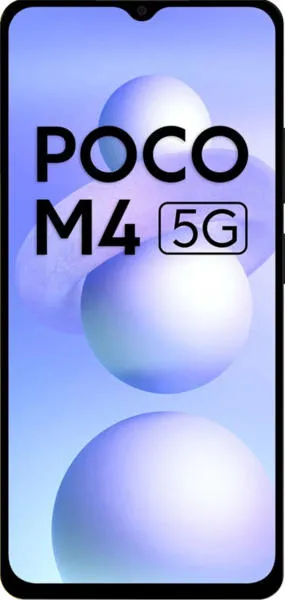
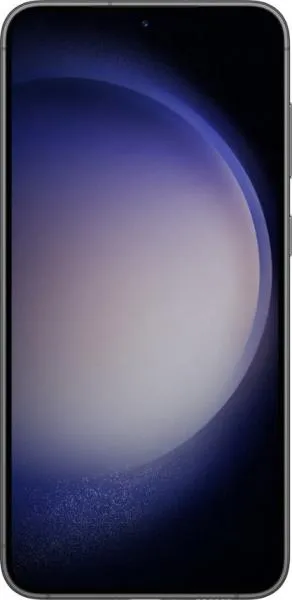
Xiaomi Poco M4 5G vs. Samsung Galaxy S23+: A Deep Dive
Let's dissect the Xiaomi Poco M4 5G and the Samsung Galaxy S23+, two phones occupying different ends of the "medium price" spectrum. We'll go beyond the spec sheet to understand what these differences truly mean for you.
1. Specifications Breakdown
| Feature | Xiaomi Poco M4 5G | Samsung Galaxy S23+ | Real-World Implications |
|---|---|---|---|
| Design | |||
| Dimensions (mm) | 164 x 76.1 x 8.9 | 157.8 x 76.2 x 7.6 | S23+ is noticeably more compact and slimmer, easier for one-handed use and pocket portability. |
| Weight (g) | 200 | 196 | Negligible difference in weight. |
| Build Materials | Plastic | Glass & Aluminum | S23+ offers a more premium feel and potentially better durability. |
| Display | |||
| Display Type | IPS LCD | Dynamic AMOLED 2X | S23+ boasts significantly better contrast, vibrant colors, and deeper blacks thanks to AMOLED technology. |
| Refresh Rate (Hz) | 90 | 120 | S23+ provides smoother scrolling and animations, enhancing the overall user experience, especially in gaming. |
| Peak Brightness | 500 nits (HBM) | 1750 nits (peak) | S23+ offers superior outdoor visibility in direct sunlight. |
| Performance | |||
| Chipset | Dimensity 700 | Snapdragon 8 Gen 2 | S23+ delivers vastly superior processing power for demanding tasks, gaming, and multitasking due to the flagship Snapdragon chip. |
| CPU | Octa-core | Octa-core | While both are octa-core, the S23+'s architecture and clock speeds translate to a significant performance advantage. |
| RAM | 4/6GB | 8GB | S23+ has more RAM, enabling smoother multitasking and handling of demanding applications. |
| Camera | |||
| Main Camera | 50MP | 50MP | While both have the same resolution, the S23+'s sensor and processing likely result in superior image quality. |
| Ultrawide | N/A | 12MP | S23+ offers ultrawide photography for capturing expansive scenes. |
| Telephoto | N/A | 10MP | S23+ features a dedicated telephoto lens for optical zoom capabilities. |
| Video Recording | 1080p@30fps | 8K@30fps | S23+ offers significantly higher video resolution and frame rates. |
| Battery Life | |||
| Capacity (mAh) | 5000 | 4700 | Poco M4 has a slightly larger battery, but real-world battery life depends heavily on usage and optimization. |
2. Key Insights
The Xiaomi Poco M4 5G focuses on affordability and provides a decent overall package for basic smartphone needs. Its strengths lie in its large battery and competitive price. However, it compromises on performance, display quality, and camera versatility.
The Samsung Galaxy S23+ is a flagship-level device offering top-tier performance, a stunning display, a versatile camera system, and premium build quality. While the battery is slightly smaller than the Poco M4 5G, the optimized Snapdragon 8 Gen 2 chip might offset this difference in real-world usage.
3. User Profiles and Recommendations
Poco M4 5G: Best suited for budget-conscious users who prioritize battery life and basic functionality. Ideal for casual web browsing, social media, and light gaming.
Galaxy S23+: Perfect for power users, gamers, photography enthusiasts, and anyone who demands top-tier performance and a premium experience.
4. Buying Decision Framework
- What is your budget? The Poco M4 5G is significantly more affordable.
- What are your primary smartphone needs? Basic tasks vs. demanding applications and gaming.
- How important are camera quality and display experience? The S23+ significantly outperforms the Poco M4 5G in these areas.
My Choice: Samsung Galaxy S23+
While the Poco M4 5G offers excellent value for its price, I would choose the Samsung Galaxy S23+. As a tech journalist, I need a device that can handle demanding tasks, capture high-quality photos and videos, and offer a smooth and responsive user experience. The S23+'s superior performance, stunning display, and versatile camera system are essential for my work. The premium build quality and long-term software support offered by Samsung further solidify my decision. While the price difference is substantial, the S23+'s significantly enhanced capabilities justify the investment for my needs. The jump in overall user experience, longevity, and the sheer joy of using a well-engineered device outweigh the cost savings for me.
