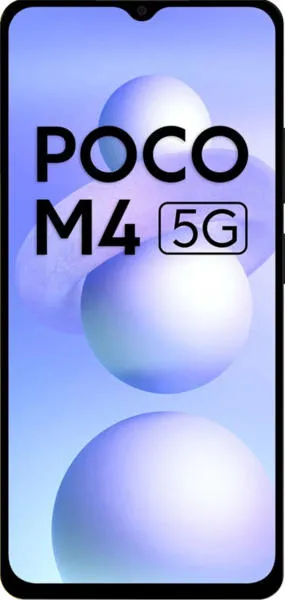
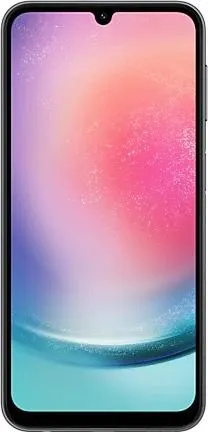
Xiaomi Poco M4 5G vs. Samsung Galaxy A24 4G: A Detailed Comparison
Hello, fellow tech enthusiasts! Today, we're diving deep into a comparative analysis of the Xiaomi Poco M4 5G and the Samsung Galaxy A24 4G. Both phones aim for the mid-range market, but their distinct specifications cater to different user preferences. Let's dissect the details and uncover which device reigns supreme.
1. Specifications Breakdown
| Feature | Xiaomi Poco M4 5G | Samsung Galaxy A24 4G | Real-World Implications |
|---|---|---|---|
| Design | |||
| Dimensions (mm) | 164 x 76.1 x 8.9 | 162.1 x 77.6 x 8.3 | A24 slightly more compact, potentially easier to handle. |
| Weight (g) | 200 | 195 | Negligible weight difference in practical use. |
| Display | |||
| Type | IPS LCD | Super AMOLED | AMOLED offers richer colors, deeper blacks, and better power efficiency in dark mode. |
| Size (inches) | 6.58 | 6.5 | Virtually identical screen real estate. |
| Refresh Rate (Hz) | 90 | 90 | Both offer smooth scrolling and animations. |
| Resolution | 1080 x 2408 | 1080 x 2340 | Comparable sharpness; difference imperceptible to the naked eye. |
| Performance | |||
| Chipset | Dimensity 700 | Helio G99 | G99 generally offers slightly better CPU performance; both sufficient for everyday tasks and casual gaming. |
| CPU | Octa-core | Octa-core | Similar core configuration, but clock speeds and architecture may yield nuanced performance differences. |
| RAM (GB) | 4/6 | 6/8 | More RAM in A24 variants enables better multitasking and app switching. |
| OS | Android 12 | Android 13 | A24 benefits from newer OS features and potentially longer software support. |
| Camera | |||
| Main Camera (MP) | 50 | 50 | Comparable primary camera resolution. Image quality will depend on sensor and software processing. |
| Selfie Camera (MP) | 8 | 13 | A24 boasts a higher-resolution selfie camera for sharper self-portraits. |
| Video | 1080p@30fps | 1080p@30fps with EIS | A24 includes Electronic Image Stabilization (EIS) for smoother video recording. |
| Battery | |||
| Capacity (mAh) | 5000 | 5000 | Identical battery capacity; real-world battery life will depend on usage patterns and software optimization. |
| Connectivity | |||
| 5G | Yes | No | Poco M4 offers faster cellular data speeds where 5G is available. |
2. Key Insights
- Display: The Samsung A24's AMOLED display is a clear winner, offering vibrant colors and deeper blacks.
- Performance: While both chipsets offer comparable performance for everyday tasks, the Helio G99 in the A24 generally edges out the Dimensity 700 in benchmarks, especially with higher RAM configurations.
- Camera: The 50MP primary cameras on both phones promise detailed photos, but real-world performance will hinge on software processing. The A24's advantage lies in its 13MP selfie camera and EIS for video.
- Battery: Both phones feature a 5000mAh battery, promising all-day endurance. Actual battery life will depend heavily on usage patterns.
- Connectivity: The Poco M4's 5G capability is a significant advantage for future-proofing and faster data speeds in areas with 5G coverage. However, if 5G is not yet prevalent in your area, this advantage diminishes.
3. User Profiles and Recommendations
- Poco M4 5G: Ideal for budget-conscious users who prioritize 5G connectivity, good performance, and a long-lasting battery. Suitable for web browsing, social media, casual gaming, and streaming.
- Samsung Galaxy A24 4G: Best suited for users who value a superior display experience and a more refined camera system, especially for selfies and video recording. A good choice for those who consume a lot of media on their phones and prioritize image quality.
4. Buying Decision Framework
- Is 5G crucial for you? If yes, the Poco M4 5G is the clear choice.
- Do you prioritize display quality above all else? If so, the Samsung A24's AMOLED screen is the winner.
- What's your budget? Consider the price difference between the two phones and the RAM/storage configurations available.
My Choice: If I were choosing between these two, I would opt for the Samsung Galaxy A24 4G. While I appreciate the future-proofing of 5G, the superior AMOLED display and more refined camera system of the A24 are more compelling to me personally. I tend to prioritize visual experiences and often use my phone for photography, making the A24 a better fit for my usage patterns. The slightly improved performance of the Helio G99 is a welcome bonus. However, if living in an area with robust 5G coverage, the decision would be much harder.
