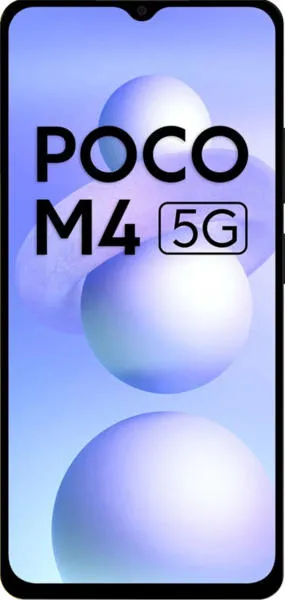
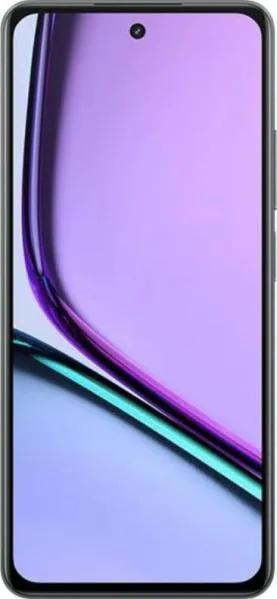
Xiaomi Poco M4 5G vs. Realme C67: A Comparative Analysis
Let's dive into a detailed comparison of the Xiaomi Poco M4 5G and the Realme C67, dissecting their specifications and uncovering what they truly offer in terms of real-world performance.
1. Specifications Breakdown
| Feature | Xiaomi Poco M4 5G | Realme C67 | Real-World Implications |
|---|---|---|---|
| Design | |||
| Dimensions (mm) | 164 x 76.1 x 8.9 | 165.7 x 76 x 7.9 | Poco M4 5G is slightly thinner. Negligible difference in overall handling. |
| Weight (g) | 200 | 190 | Realme C67 is slightly lighter, but both are comfortable to hold. |
| Display | |||
| Size (inches) | 6.58 | 6.72 | Realme C67 offers a slightly larger screen for more immersive content consumption. |
| Resolution (px) | 1080 x 2408 | 1080 x 2400 | Virtually identical sharpness; both offer crisp visuals. |
| Refresh Rate (Hz) | 90 | 120 | Realme C67's 120Hz display delivers smoother scrolling and animations, enhancing the overall feel. |
| Type | IPS LCD | IPS LCD | Both use power-efficient IPS LCD technology with good color reproduction. |
| Performance | |||
| Chipset | Dimensity 700 (7nm) | Dimensity 6100+ (6nm) | Realme C67's newer 6nm chipset should offer better power efficiency and potentially slightly better performance. |
| CPU | Octa-core | Octa-core (2x2.2 GHz Cortex-A76 & 6x2.0 GHz Cortex-A55) | Similar CPU configurations, but architectural differences in the Dimensity chips could impact performance. |
| GPU | Mali-G57 MC2 | Mali-G57 MC2 | Same GPU; expect comparable graphics performance. |
| RAM (GB) | 4/6 | 6/8/12 | Realme C67 offers higher RAM configurations, enabling better multitasking and smoother performance with demanding apps. |
| Camera | |||
| Main Camera (MP) | 50 | 108 | Realme C67 boasts a significantly higher resolution main camera, promising more detailed photos. |
| Selfie Camera (MP) | 8 | 8 | Identical selfie camera resolution. |
| Battery | |||
| Capacity (mAh) | 5000 | 5000 | Both phones offer the same battery capacity, likely resulting in similar battery life. |
2. Key Insights
- Performance: While both phones share the Mali-G57 MC2 GPU, the Realme C67's Dimensity 6100+ (6nm) chipset and higher RAM options should provide a tangible performance advantage, particularly in multitasking and demanding applications. The Poco M4 5G's Dimensity 700 is still a capable processor for everyday tasks.
- Display: The Realme C67's 120Hz display is a clear winner, offering a significantly smoother and more responsive user experience compared to the Poco M4 5G's 90Hz panel.
- Camera: The Realme C67's 108MP main camera sensor dwarfs the Poco M4 5G's 50MP sensor on paper. This should translate to more detail and potentially better low-light performance. However, megapixel count isn't everything; real-world image quality will depend on factors like sensor size, image processing, and lens quality.
- 5G Connectivity: A significant advantage for the Poco M4 5G is its 5G capability, future-proofing it for faster cellular data speeds. The Realme C67 is limited to 4G.
3. User Profiles and Recommendations
- Xiaomi Poco M4 5G: Best suited for budget-conscious users who prioritize 5G connectivity and solid performance for everyday tasks. It's a good option for those who browse the web, use social media, stream videos, and play casual games.
- Realme C67: Ideal for users who value a smooth and responsive display, superior camera capabilities, and ample RAM for demanding applications and multitasking. Content creators, mobile gamers, and those seeking a future-proof device might prefer the C67.
4. Buying Decision Framework
- Is 5G a must-have? If yes, the Poco M4 5G is your only option here.
- How important is display smoothness? If a fluid, responsive display experience is paramount, the Realme C67's 120Hz panel is a significant advantage.
- What's your budget and storage needs? Consider the RAM and storage options available for each phone and choose the one that best fits your needs and budget.
My Choice: I would choose the Realme C67. While I appreciate the 5G capability of the Poco M4 5G, the Realme C67's superior display, more powerful processor, and significantly better camera hardware make it a more compelling overall package for my needs. The smoother display and performance enhancements offered by the 120Hz refresh rate and the Dimensity 6100+ chipset would significantly enhance my daily usage. I often multitask, consume multimedia content, and appreciate a responsive user interface, making the Realme C67 a better fit for my workflow.
