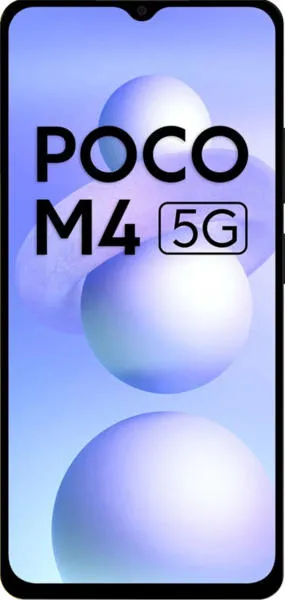
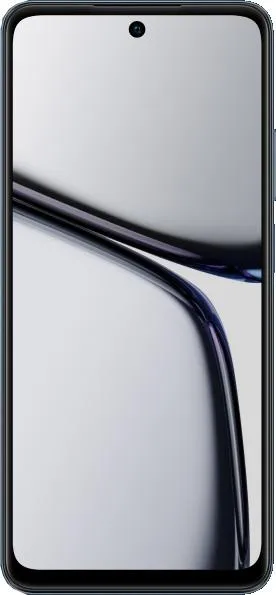
Xiaomi Poco M4 5G vs. Realme C65: A Detailed Comparison
Let's dive deep into a comparative analysis of the Xiaomi Poco M4 5G and the Realme C65, dissecting their specifications and uncovering what they truly offer in real-world usage.
1. Specifications Breakdown
| Feature | Xiaomi Poco M4 5G | Realme C65 | Real-World Implications |
|---|---|---|---|
| Design | |||
| Dimensions (mm) | 164 x 76.1 x 8.9 | 164.6 x 76.1 x 7.6 | Realme C65 is slightly thinner. Negligible difference in overall hand feel. |
| Weight (g) | 200 | 185 | Realme C65 is marginally lighter. |
| Display | |||
| Size (inches) | 6.58 | 6.67 | Realme C65 offers a slightly larger screen. |
| Resolution | 1080 x 2408 | 720 x 1604 | Poco M4 5G has a significantly sharper display (401 ppi vs. 264 ppi), resulting in crisper visuals. |
| Refresh Rate (Hz) | 90 | 90 | Both offer smooth scrolling and animations. |
| Type | IPS LCD | IPS LCD | Similar display technology, expect comparable color reproduction and viewing angles. |
| Performance | |||
| Chipset | Dimensity 700 | Helio G85 | Dimensity 700 generally offers better performance and efficiency in benchmarks. |
| CPU | Octa-core | Octa-core | Poco M4 5G's Cortex-A76 cores provide a performance edge in demanding tasks. |
| GPU | Mali-G57 MC2 | Mali-G52 MC2 | Both GPUs handle everyday tasks well, but Dimensity 700 may offer slightly smoother gaming. |
| RAM (GB) | 4/6 | 6/8 | More RAM options on Realme C65 but the base 4/6 on the Poco is sufficient for most |
| Camera | |||
| Main Camera (MP) | 13 | 50 | Realme C65 boasts a much higher resolution main sensor, potentially capturing more detail. |
| Selfie Camera(MP) | 5 | 8 | Realme C65 has a higher resolution front camera. |
| Battery Life | |||
| Capacity (mAh) | 5000 | 5000 | Similar battery capacities, expect comparable battery life depending on usage. |
| Other | |||
| 5G | Yes | No | Poco M4 5G offers future-proof 5G connectivity. |
| NFC | Yes | Yes | Both support contactless payments and data transfer. |
| OS | Android 12 | Android 14 | Realme C65 comes with a more recent Android version out of the box. |
2. Key Insights
- Display: The Poco M4 5G's higher resolution display is a significant advantage, offering noticeably sharper visuals. While both phones have a 90Hz refresh rate, the superior pixel density of the Poco M4 5G will be apparent in everyday use.
- Performance: The Dimensity 700 in the Poco M4 5G generally outperforms the Helio G85 in benchmarks, particularly in CPU-intensive tasks. While both can handle casual gaming, the Poco M4 5G may offer a slight edge.
- Camera: The Realme C65 boasts a 50MP main camera compared to the 13MP on the Poco M4. This difference in resolution suggests the Realme C65 could capture more detail. However, real-world camera performance depends on factors beyond megapixels, such as image processing.
- Connectivity: The Poco M4 5G's inclusion of 5G connectivity is a crucial differentiator, providing faster download and streaming speeds in areas with 5G coverage. This future-proofs the device for upcoming network advancements. The newer Bluetooth 5.1 on the Poco provides several advantages over 5.0 such as improved connection stability, faster data transfer, and lower power consumption. This translates to a more reliable connection with Bluetooth devices, such as headphones, speakers, and smartwatches. You'll also experience quicker pairing times and less audio lag when streaming music or videos.
3. User Profiles and Recommendations
- Xiaomi Poco M4 5G: Ideal for users who prioritize performance, a sharp display, and 5G connectivity. This phone is well-suited for those who engage in moderate mobile gaming, media consumption, and multitasking.
- Realme C65: Suitable for budget-conscious users who value a large display and a high-resolution main camera. This phone caters to users who primarily use their phones for social media, photography, and everyday tasks.
4. Buying Decision Framework
- Do you need 5G connectivity? If yes, the Poco M4 5G is the only option.
- Is display sharpness a priority? If yes, the Poco M4 5G's higher resolution screen is significantly better.
- Which OS is preferred? While the Poco can likely upgrade to 14 (or later!), the Realme comes with Android 14 out-of-the-box.
My Choice: Xiaomi Poco M4 5G
If I were choosing between these two, I'd opt for the Xiaomi Poco M4 5G. The sharper display, superior overall performance of the Dimensity 700, slightly better Bluetooth connectivity, and future-proof 5G connectivity are compelling advantages. While the Realme C65 offers a higher resolution main camera, the overall user experience offered by the Poco M4 5G, particularly in terms of display and performance, aligns better with my priorities. The slightly smaller screen size wouldn't be a deterrent for me, and I value the long-term benefits of 5G.
