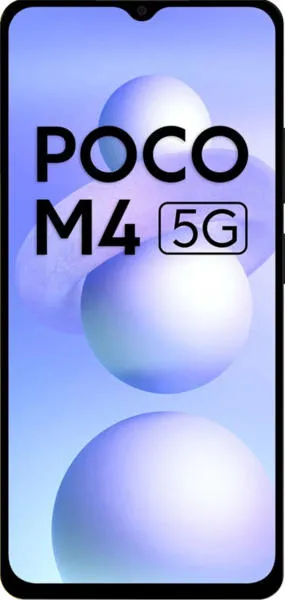

Xiaomi Poco M4 5G vs. Realme C55: A Detailed Comparison
Let's dive deep into a comparative analysis of the Xiaomi Poco M4 5G and the Realme C55, two compelling contenders in the mid-range smartphone arena. We'll dissect their specifications, translate them into real-world implications, and ultimately guide you toward the device that best aligns with your needs.
1. Specifications Breakdown
| Feature | Xiaomi Poco M4 5G | Realme C55 | Real-World Implications | |
|---|---|---|---|---|
| Design | ||||
| Dimensions (mm) | 164 x 76.1 x 8.9 | 165.6 x 75.9 x 7.9 | Realme C55 is slightly taller and thinner. Poco M4 5G is heavier. | |
| Weight (g) | 200 | 189.5 | Realme C55 feels lighter in hand. | |
| Display | ||||
| Size (inches) | 6.58 | 6.72 | Realme C55 offers a larger screen for more immersive content. | |
| Resolution | 1080 x 2408 | 1080 x 2400 | Virtually identical sharpness; both are crisp and clear. | |
| Refresh Rate (Hz) | 90 | 90 | Both offer smooth scrolling and animations. | |
| Type | IPS LCD | IPS LCD | Expect vibrant colors and good viewing angles, but not the deep blacks of OLED. | |
| Peak Brightness (nits) | 500 (HBM) | 680 | Realme C55 should be more visible in direct sunlight. | |
| Performance | ||||
| Chipset | Dimensity 700 (7nm) | Helio G88 (12nm) | Realme C55 boasts a slightly newer and potentially more power-efficient chip. | |
| CPU | Octa-core (2x2.2 GHz A76 & 6x2.0 GHz A55) | Octa-core (2x2.0 GHz A75 & 6x1.8 GHz A55) | Performance differences likely negligible for everyday tasks; benchmarks needed for clarity. | |
| GPU | Mali-G57 MC2 | Mali-G52 MC2 | Gaming performance might be slightly better on the Poco M4 5G. Further testing required. | |
| RAM | 4/6GB | 6/8GB | Realme C55 offers larger RAM options for better multitasking. | |
| Camera | ||||
| Main Camera (MP) | 50 | 64 | Realme C55 has a higher resolution main sensor, potentially capturing more detail. | |
| Selfie Camera (MP) | 8 | 8 | Similar selfie camera resolution on both. | |
| Video | 1080p@30fps | 1080p@30/60fps | Realme C55 offers 60fps recording for smoother video. | |
| Battery Life | ||||
| Capacity (mAh) | 5000 | 5000 | Identical battery capacity suggests similar endurance. |
2. Key Insights
- Performance: While the Realme C55 has a newer chipset, the practical performance difference in day-to-day use might be subtle. Heavy gaming or demanding tasks might reveal a more noticeable gap, favoring the Poco M4 with it's higher clocked CPU cores.
- Display: The Realme C55's larger display offers a slight edge for media consumption. It's also brighter, making it more usable outdoors.
- Camera: The Realme C55's 64MP main camera sensor and 1080p@60fps video recording capabilities give it a clear advantage in the imaging department. However, real-world image quality will depend on factors beyond resolution.
- Software: The Realme C55 ships with the newer Android 13, potentially offering longer software support and newer features.
3. User Profiles and Recommendations
- Xiaomi Poco M4 5G: Best suited for budget-conscious users who prioritize 5G connectivity and a reliable all-around experience. Its slightly faster CPU cores might make it appealing for light gaming.
- Realme C55: A good choice for users who value a large, bright display, a higher-resolution camera, and the latest Android version. The slightly newer chipset also positions it well for future updates.
4. Buying Decision Framework
- Is 5G connectivity a must-have? If yes, the Poco M4 5G is your only option here.
- Do you prioritize a larger display and better camera? If so, the Realme C55 is the stronger contender.
- What's your budget? Compare prices in your region, considering the RAM and storage configurations you need.
My Choice: If I were choosing between these two, I'd lean towards the Realme C55. The combination of a larger, brighter display, a more capable camera system, and the newer Android OS makes it a more compelling overall package for my needs. While I don't necessarily need 5G right now, the newer chipset on the Realme C55 suggests better long-term performance and potentially longer software support, which I value highly. The slightly lighter weight is a bonus, too. However, I'd closely monitor real-world reviews and comparisons of the camera and gaming performance before making a final decision.
