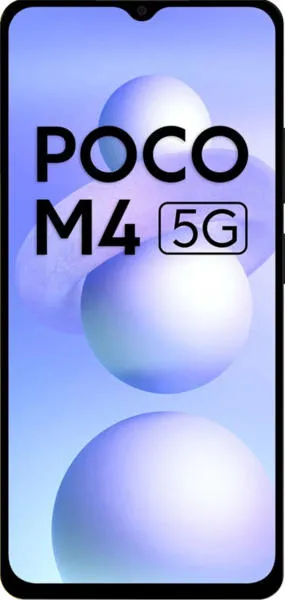
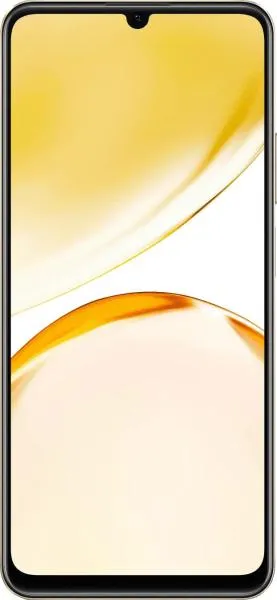
Xiaomi Poco M4 5G vs. Realme C53: A Detailed Comparison
Let's dive deep into a comparative analysis of the Xiaomi Poco M4 5G and the Realme C53, dissecting their specifications and uncovering what they truly offer users in their daily lives.
1. Specifications Breakdown
| Feature | Xiaomi Poco M4 5G | Realme C53 | Real-World Implications | |
|---|---|---|---|---|
| Design | ||||
| Dimensions (mm) | 164 x 76.1 x 8.9 | 167.3 x 76.7 x 7.5 | Realme C53 is slightly larger and thinner. Poco M4 5G might feel slightly more compact in hand. | |
| Weight (g) | 200 | 182 | Realme C53 is noticeably lighter, improving one-handed use and reducing pocket bulk. | |
| Display | ||||
| Size (inches) | 6.58 | 6.74 | Realme C53 offers a larger screen for more immersive media consumption. | |
| Resolution (px) | 1080 x 2408 | 1080 x 2400 | Virtually identical sharpness; both offer Full HD+ resolution for crisp visuals. | |
| Refresh Rate (Hz) | 90 | 90 | Both displays offer smooth scrolling and animations thanks to the 90Hz refresh rate. | |
| Display Type | IPS LCD | IPS LCD | Expect vibrant colors and good viewing angles from both, though not the deep blacks of AMOLED. | |
| Performance | ||||
| Chipset | Dimensity 700 | Unisoc Tiger T612 | Dimensity 700 generally offers better performance and efficiency in benchmarks. Expect smoother multitasking on the Poco M4 5G. | |
| CPU | Octa-core (2x2.2 GHz Cortex-A76 & 6x2.0 GHz Cortex-A55) | Octa-core (2x1.8 GHz Cortex-A75 & 6x1.8 GHz Cortex-A55) | Poco M4 5G's higher clock speeds on the performance cores should translate to faster app loading and responsiveness. | |
| GPU | Mali-G57 MC2 | Mali-G57 | While both use Mali-G57 architecture, the MC2 variant in the Poco M4 5G may offer slightly improved graphics performance. | |
| RAM | 4/6GB | 6/8GB | Realme C53 offers higher RAM configurations, potentially benefiting heavy multitaskers. | |
| Camera | ||||
| Main Camera (MP) | 50 | 50 | Both phones feature a 50MP main sensor, promising detailed photos. Real-world image quality will depend on software processing. | |
| Selfie Camera (MP) | 8 | 8 | Similar selfie camera resolution on both devices. | |
| Battery Life | ||||
| Capacity (mAh) | 5000 | 5000 | Identical battery capacities suggest similar battery life, though actual usage will depend on software optimization and usage patterns. |
2. Key Insights
- Performance: The Poco M4 5G, with its Dimensity 700 chipset, likely holds a performance edge, especially in demanding tasks and gaming.
- 5G Connectivity: A significant advantage for the Poco M4 5G is its 5G capability, offering faster download and streaming speeds in areas with 5G coverage. The Realme C53 is limited to 4G.
- Software and Updates: The Realme C53 ships with a newer version of Android (13), which might mean longer software support and newer features out of the box. However, Xiaomi has a decent track record with updates, so this is not a guaranteed advantage for the Realme.
- Lightweight Design: The Realme C53's lighter weight is a noticeable plus for comfortable one-handed use.
- NFC: The Poco M4 5G includes NFC for contactless payments and other convenient features, a feature missing on the Realme C53. This can be a deciding factor for some users.
3. User Profiles and Recommendations
- Poco M4 5G: Best suited for users who prioritize performance, 5G connectivity, and features like NFC. This is a good choice for mobile gamers, those who stream a lot of media, and users in areas with good 5G coverage.
- Realme C53: A good option for users who value a lightweight design, a large display for media consumption, and a more affordable price point. It's ideal for casual users, social media enthusiasts, and budget-conscious buyers.
4. Buying Decision Framework
- Do you need 5G? If yes, the Poco M4 5G is your only option here.
- Is NFC important to you? If contactless payments are a must-have, choose the Poco M4 5G.
- What's your budget? The Realme C53 is generally more affordable, especially in its higher storage configurations.
My Choice: The Xiaomi Poco M4 5G
While the Realme C53 offers a compelling combination of features for its price, I would choose the Xiaomi Poco M4 5G. The performance advantage offered by the Dimensity 700, coupled with 5G future-proofing and the inclusion of NFC for contactless payments, makes it a more versatile and compelling device in the long run. The slightly heavier weight is a minor trade-off I'm willing to make for the added performance and features. For me, the Poco M4 5G strikes a better balance between performance, features, and price. It’s a phone I wouldn’t hesitate to recommend to friends and family.
