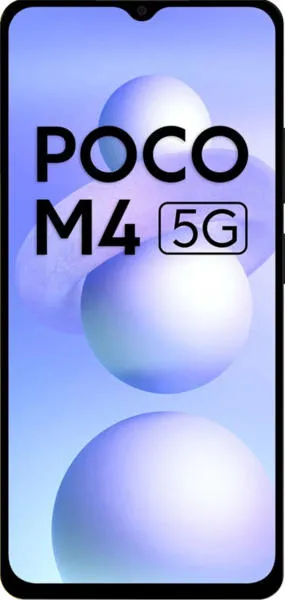

Xiaomi Poco M4 5G vs. Realme 12+: A Deep Dive for the Discerning User
The mid-range smartphone arena is fiercely competitive, with devices vying for your attention with compelling features and aggressive pricing. Today, we dissect two contenders: the Xiaomi Poco M4 5G and the Realme 12+, delving beyond the spec sheet to uncover what truly matters – the real-world user experience.
1. Specifications Breakdown
| Feature | Xiaomi Poco M4 5G | Realme 12+ | Real-World Implications | |||||
|---|---|---|---|---|---|---|---|---|
| Design | ||||||||
| Dimensions (mm) | 164 x 76.1 x 8.9 | 163 x 75.5 x 7.9 | Realme 12+ is slightly thinner and lighter, potentially offering a more comfortable in-hand feel. | |||||
| Weight (g) | 200 | 190 | Noticeable difference in weight, favoring the Realme for extended use. | Fingerprint Sensor | Side-mounted | Under-display | Preference varies, but under-display generally feels more premium. | |
| Display | ||||||||
| Type | IPS LCD, 90Hz | AMOLED, 120Hz | Realme's AMOLED offers richer colors, deeper blacks, and smoother scrolling thanks to the higher refresh rate. | |||||
| Size (inches) | 6.58 | 6.67 | Realme offers a marginally larger screen. | |||||
| Resolution (px) | 1080 x 2408 | 1080 x 2400 | Virtually identical sharpness. | |||||
| Peak Brightness | 500 nits (HBM) | 2000 nits | Realme's significantly higher peak brightness ensures excellent outdoor visibility. | |||||
| Performance | ||||||||
| Chipset | Dimensity 700 (7nm) | Dimensity 7050 (6nm) | Realme's newer and slightly more efficient chip promises better performance and battery life. | |||||
| CPU | Octa-core (2x2.2 GHz A76 & 6x2.0 GHz A55) | Octa-core (2x2.6 GHz A78 & 6x2.0 GHz A55) | Realme's faster and more powerful CPU cores will handle demanding tasks with greater ease. | |||||
| RAM | 4/6GB | 8/12GB | Realme offers significantly more RAM, enabling smoother multitasking and better performance. | |||||
| Camera | ||||||||
| Main Camera | 50MP | 200MP | Realme boasts a higher resolution main sensor, potentially capturing more detail. | |||||
| Video Recording | 1080p@30fps | 4K@30fps | Realme offers superior video recording capabilities. | |||||
| Battery Life | ||||||||
| Capacity (mAh) | 5000 | 5000 | Identical battery capacity; real-world battery life will depend on optimization and usage patterns. |
2. Key Insights
- Display: The Realme 12+ decisively wins in the display department with its vibrant AMOLED panel, higher refresh rate, and significantly brighter screen. The Poco M4 5G's IPS LCD is serviceable, but lacks the punch and fluidity of the Realme.
- Performance: While both phones utilize MediaTek Dimensity chipsets, the Realme 12+'s newer Dimensity 7050 and larger RAM capacity provide a tangible performance advantage. This translates to smoother gaming, faster app loading, and better multitasking.
- Camera: The Realme 12+'s 200MP main camera sensor and 4K video recording offer a significant edge over the Poco M4 5G in terms of capturing detailed photos and videos.
- Value: Both phones fall into the mid-range category, but the Realme 12+, while likely more expensive, offers substantially better hardware for the price.
3. User Profiles and Recommendations
- Poco M4 5G: Best suited for budget-conscious users who prioritize basic functionality and 5G connectivity over top-tier performance or display quality. Light users, primarily focused on communication and web browsing, would find this phone adequate.
- Realme 12+: Ideal for users who demand a more premium experience without breaking the bank. Mobile gamers, content creators, and those who consume a lot of media would appreciate the Realme's superior display, performance, and camera.
4. Buying Decision Framework
- What is your budget? The Poco M4 5G will likely be the more affordable option.
- What are your primary smartphone usage patterns? For basic tasks, the Poco M4 5G suffices. For demanding tasks and media consumption, the Realme 12+ excels.
- How important is display quality and performance? If these are paramount, the Realme 12+ is the clear winner.
My Choice: The Realme 12+
While the Poco M4 5G offers respectable value, the Realme 12+ is the phone I would choose. The superior AMOLED display, significantly improved performance thanks to the Dimensity 7050 and ample RAM, along with the enhanced camera capabilities, make it a more compelling overall package. The slightly higher price tag is justified by the tangible upgrades in user experience. I value a smooth, responsive phone with a great display for consuming media, and the Realme 12+ delivers on these fronts. Furthermore, its future-proofing with Android OS updates makes it a smarter long-term investment.
