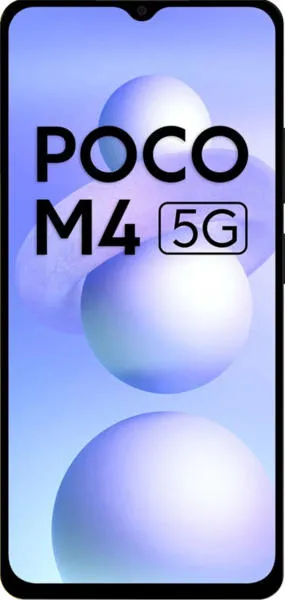
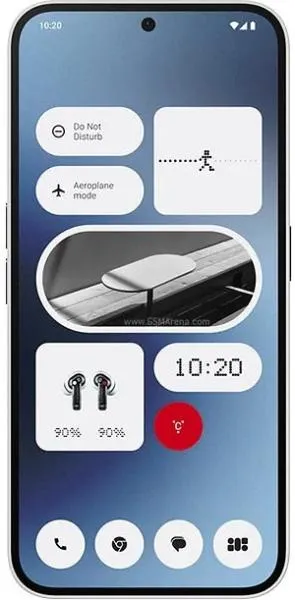
Xiaomi Poco M4 5G vs. Nothing Phone (2a): A Deep Dive
Let's dissect the Xiaomi Poco M4 5G and the Nothing Phone (2a), cutting through the marketing jargon to uncover what truly matters: real-world performance and user experience.
1. Specifications Breakdown
| Feature | Xiaomi Poco M4 5G | Nothing Phone (2a) | Real-World Implications | Category |
|---|---|---|---|---|
| Design | ||||
| Dimensions (mm) | 164 x 76.1 x 8.9 | 161.7 x 76.3 x 8.6 | (2a) slightly more compact, potentially easier to handle one-handed. | Design |
| Weight (g) | 200 | 190 | (2a) slightly lighter, noticeable in extended use. | Design |
| Display | ||||
| Type | IPS LCD | AMOLED | (2a) offers deeper blacks, vibrant colors, and better power efficiency. | Display |
| Refresh Rate (Hz) | 90 | 120 | (2a) smoother scrolling and animations, more responsive gaming experience. | Display |
| Peak Brightness | 500 nits (HBM) | 1300 nits (peak) | (2a) significantly brighter, excellent outdoor visibility. | Display |
| Performance | ||||
| Chipset | Dimensity 700 | Dimensity 7200 Pro | (2a) notably faster CPU and GPU, smoother multitasking and demanding gaming. | Performance |
| RAM (GB) | 4/6 | 8/12 | (2a) more RAM for seamless multitasking and app switching. | Performance |
| OS | Android 12 | Android 14 | (2a) newer OS with latest features, longer software support. | Performance |
| Camera | ||||
| Main Camera (MP) | 13 | 50 (Samsung GN9) | (2a) dramatically better image quality, superior low-light performance. | Camera |
| Ultrawide (MP) | N/A | 50 (Samsung JN1) | (2a) dedicated ultrawide lens for expansive shots. | Camera |
| Video | 1080p@30fps | 4K@30fps, EIS | (2a) higher resolution video recording with electronic image stabilization. | Camera |
| Battery Life | ||||
| Capacity (mAh) | 5000 | 5000 | Similar battery capacity, but (2a)'s AMOLED display may offer better efficiency. | Battery Life |
2. Key Insights
The Nothing Phone (2a) boasts a clear advantage in almost every category. Its powerful Dimensity 7200 Pro chipset, coupled with ample RAM, delivers a significantly smoother and more responsive experience compared to the Poco M4 5G. The (2a)'s brilliant AMOLED display with a 120Hz refresh rate is a visual treat, outshining the Poco M4 5G's LCD in vibrancy, responsiveness, and outdoor visibility. The camera system on the (2a) is a generational leap forward, capturing significantly more detailed and dynamic photos and videos.
The Poco M4 5G's strength lies primarily in its affordability. It offers basic functionality and 5G connectivity at a lower price point.
3. User Profiles and Recommendations
Poco M4 5G: Best suited for budget-conscious users who prioritize basic functionality, 5G connectivity, and long battery life over high-end performance and camera quality. Ideal for light web browsing, social media, and casual gaming.
Nothing Phone (2a): Ideal for users who demand a premium experience with a smooth display, powerful performance, excellent camera capabilities, and the latest software features. Perfect for demanding mobile gaming, content creation, and multitasking.
4. Buying Decision Framework
- What is your budget? If price is a major constraint, the Poco M4 5G offers a more affordable entry point.
- What are your primary smartphone needs? For basic tasks, the Poco M4 5G suffices. For demanding applications and multimedia consumption, the (2a) is the clear winner.
- How important is camera quality? If capturing high-quality photos and videos is a priority, the Nothing Phone (2a)'s superior camera system is a must-have.
My Choice: The Nothing Phone (2a)
While the Poco M4 5G offers decent value for its price, I would choose the Nothing Phone (2a) without hesitation. The superior performance, stunning AMOLED display, and vastly improved camera system are worth the price premium. As a tech enthusiast, I value a smooth and responsive user experience, and the (2a) delivers that in spades. The future-proofed software, thanks to the newer Android version and promised updates, further solidifies its position as the better long-term investment. The (2a) feels like a device built for engaging with today's demanding mobile landscape, while the Poco M4 5G feels more like a functional tool for staying connected.
