Xiaomi Poco M4 5G vs. Nothing Phone (2): A Deep Dive
Let's cut through the marketing fluff and dissect these two intriguing smartphones: the Xiaomi Poco M4 5G and the Nothing Phone (2). We'll analyze their specs, translate them into real-world performance, and help you decide which phone fits your needs.
1. Specifications Breakdown
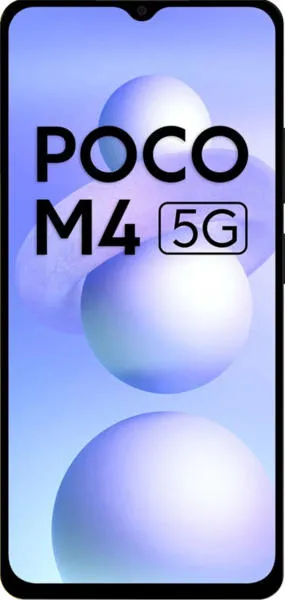
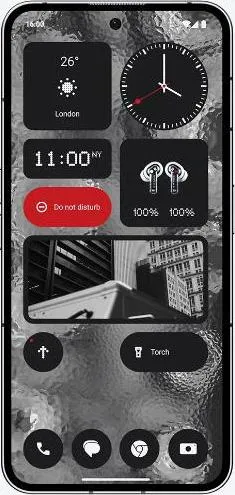
| Feature | Xiaomi Poco M4 5G | Nothing Phone (2) | Real-World Implications |
|---|---|---|---|
| Design | |||
| Dimensions (mm) | 164 x 76.1 x 8.9 | 162.1 x 76.4 x 8.6 | Nothing Phone (2) is slightly more compact. |
| Weight (g) | 200 | 201.2 | Negligible weight difference. |
| Build Materials | Plastic | Aluminum & Glass | Nothing Phone (2) offers a more premium feel and potentially better durability. |
| Display | |||
| Type | IPS LCD | LTPO OLED | Nothing Phone (2) boasts richer colors, deeper blacks, and potentially better power efficiency. |
| Refresh Rate (Hz) | 90 | 120 | Nothing Phone (2) will feel smoother, especially for gaming and scrolling. |
| Peak Brightness | N/A | 1600 nits | Nothing Phone (2) offers superior outdoor visibility. |
| Performance | |||
| Chipset | Dimensity 700 | Snapdragon 8+ Gen 1 | Nothing Phone (2) delivers significantly faster processing and graphics performance. |
| CPU | Octa-core (2.2 GHz) | Octa-core (3.0 GHz) | Nothing Phone (2) handles demanding tasks and multitasking with ease. |
| RAM (GB) | 4/6 | 8/12 | Nothing Phone (2) provides more headroom for multitasking and future-proofing. |
| Camera | |||
| Main Camera (MP) | 50 | 50 | Comparable resolution, but sensor quality and image processing will determine real-world results. |
| Ultrawide (MP) | N/A | 50 | Nothing Phone (2) offers ultrawide photography. |
| Selfie Camera (MP) | 8 | 32 | Nothing Phone (2) has a much higher resolution selfie camera. |
| Video | 1080p@30fps | 4K@60fps | Nothing Phone (2) allows for higher resolution and smoother video recording. |
| Battery Life | |||
| Capacity (mAh) | 5000 | 4700 | Poco M4 5G has a slightly larger battery, but real-world battery life depends on optimization. |
2. Key Insights
- Performance: The Snapdragon 8+ Gen 1 in the Nothing Phone (2) blows the Dimensity 700 out of the water. Expect a significantly smoother and more responsive experience with the Nothing Phone (2), especially for gaming and demanding applications.
- Display: The Nothing Phone (2)'s LTPO OLED display offers vibrant colors, true blacks, and a 120Hz adaptive refresh rate for a buttery smooth visual experience. The Poco M4 5G's 90Hz IPS LCD is respectable but can't compete with the visual richness and responsiveness of the Nothing Phone (2).
- Camera: While both phones boast a 50MP main camera, the Nothing Phone (2) benefits from a higher-quality Sony IMX890 sensor, optical image stabilization (OIS), and superior video recording capabilities. The addition of a 50MP ultrawide lens further enhances its versatility.
- Value: The Poco M4 5G targets budget-conscious users, while the Nothing Phone (2) sits in the upper mid-range segment. The price difference is significant, reflecting the substantial performance and feature gap.
3. User Profiles and Recommendations
- Poco M4 5G: Ideal for casual users prioritizing affordability and long battery life. Suitable for basic tasks like web browsing, social media, and light gaming.
- Nothing Phone (2): Best suited for power users, gamers, and photography enthusiasts who demand top-tier performance, a premium display, and a capable camera system.
4. Buying Decision Framework
- What is your budget? If you're on a tight budget, the Poco M4 5G offers decent value. If you're willing to invest more for a significant performance and feature upgrade, the Nothing Phone (2) is the clear winner.
- What are your primary use cases? For basic tasks, the Poco M4 5G suffices. If you're into gaming, photography, or demanding applications, the Nothing Phone (2) is essential.
- How important is display quality? If you value a vibrant and responsive display, the Nothing Phone (2)'s OLED panel is a must-have.
My Choice: I would choose the Nothing Phone (2). While the Poco M4 5G offers excellent value for its price, the Nothing Phone (2)'s superior performance, stunning display, and more versatile camera system are compelling. As a tech enthusiast who values a smooth and responsive user experience, the Snapdragon 8+ Gen 1 and 120Hz LTPO OLED display are game-changers. The added benefits of a premium build, better camera system, and the unique Glyph Interface make it a more future-proof and enjoyable device in the long run. I am willing to invest in the better experience the Nothing Phone (2) provides.
