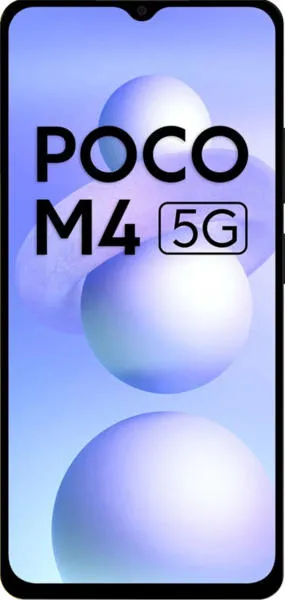
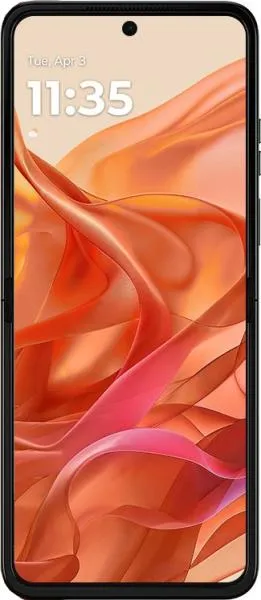
Let's dive into a comparative analysis of the Xiaomi Poco M4 5G and the Motorola Razr 50, dissecting their specifications and uncovering what they truly offer users.
1. Specifications Breakdown
| Feature | Xiaomi Poco M4 5G | Motorola Razr 50 | Real-World Implications |
|---|---|---|---|
| Design | |||
| Dimensions | 164 x 76.1 x 8.9 mm | 171.3 x 74 x 7.3 mm | Razr 50 is significantly thinner due to its foldable design, but taller and slightly narrower when unfolded. Poco M4 5G is a standard candybar form. |
| Weight | 200g | 188.4g | Razr 50 is slightly lighter despite its larger display, impressive given the folding mechanism. |
| Foldable | No | Yes | Razr 50 offers a compact folded size for pocketability, expanding to a large screen when needed. Poco M4 5G is a traditional smartphone. |
| Display | |||
| Size | 6.58" | 6.9" | Razr 50 boasts a larger main display, providing more immersive content consumption. |
| Type | IPS LCD | Foldable pOLED | Razr 50's pOLED delivers richer blacks, vibrant colors, and better power efficiency due to individual pixel illumination. |
| Refresh Rate | 90Hz | 120Hz | Razr 50 offers smoother scrolling and animations, enhancing the visual experience. |
| Performance | |||
| Chipset | Dimensity 700 | Dimensity 7300X | Razr 50's newer and more powerful chipset translates to significantly improved performance in demanding tasks and gaming. |
| CPU | Octa-core (2x2.2 GHz A76 & 6x2.0 GHz A55) | Octa-core (4x2.5 GHz A78 & 4x2.0 GHz A55) | Razr 50's CPU architecture provides a substantial performance boost thanks to faster cores and improved efficiency. |
| RAM | 4/6GB | 12GB | Razr 50 offers ample RAM for seamless multitasking and demanding applications. |
| Camera | |||
| Main Camera | 13MP | 50MP | Razr 50's higher resolution main camera promises significantly better detail and image quality. |
| Selfie Camera | 5MP | 32MP | Razr 50's higher resolution selfie camera is ideal for high-quality video calls and self-portraits. |
| Battery Life | |||
| Capacity | 5000mAh | 4200mAh | Poco M4 5G has a larger battery capacity, potentially offering longer usage time. However, Razr 50's more efficient display might offset this. |
2. Key Insights
- Performance: The Razr 50 significantly outperforms the Poco M4 5G due to its newer chipset, faster CPU, and larger RAM. This translates to smoother multitasking, faster app loading, and a superior gaming experience.
- Display: While the Poco M4 5G offers a solid IPS LCD, the Razr 50's foldable pOLED display is a game-changer. Its vibrant colors, deep blacks, and high refresh rate create a more immersive and visually stunning experience.
- Form Factor: The Razr 50's foldable design offers unmatched portability without sacrificing screen size. This unique feature caters to those who value compactness and pocketability. The Poco M4 5G is a more traditional, larger phone.
- Camera: The Razr 50's significantly upgraded camera system, particularly the 50MP main lens and 32MP selfie camera, promises superior image quality compared to the Poco M4 5G.
3. User Profiles and Recommendations
- Xiaomi Poco M4 5G: Best suited for budget-conscious users who prioritize battery life and reliable performance for everyday tasks. It's a solid option for those seeking a simple, functional smartphone without the premium price tag.
- Motorola Razr 50: Ideal for users who value cutting-edge technology, a premium design, and top-tier performance. The foldable form factor and excellent camera system make it a compelling choice for trendsetters and content creators.
4. Buying Decision Framework
- What is your budget? The Poco M4 5G is significantly more affordable.
- Do you prioritize portability or screen size? The Razr 50's foldable design offers unique portability.
- How important is top-tier performance and camera quality? The Razr 50 excels in these areas.
My Choice: I would choose the Motorola Razr 50. While the Poco M4 5G is a solid budget option, the Razr 50's innovative foldable design, superior performance, stunning display, and advanced camera system align better with my preference for cutting-edge technology and a premium user experience. The compact form factor is highly appealing, and the performance boost offered by the Dimensity 7300X is significant. I'm willing to pay the premium for these advancements. The foldable form factor itself provides a unique user experience that I find compelling.
