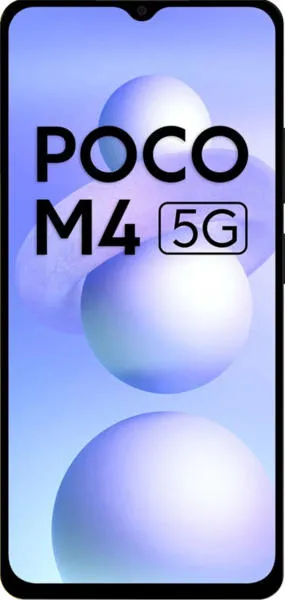
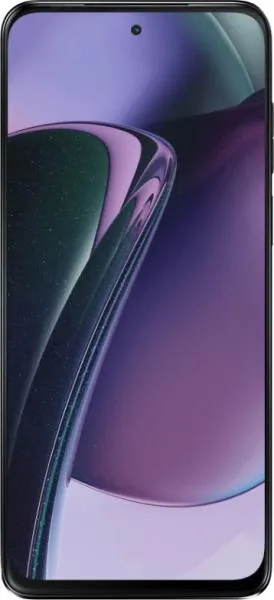
Xiaomi Poco M4 5G vs. Motorola Moto G Stylus 5G (2023): A Detailed Comparison
Let's dive deep into a comparative analysis of the Xiaomi Poco M4 5G and the Motorola Moto G Stylus 5G (2023), dissecting their specifications and uncovering what they truly offer in terms of real-world performance.
1. Specifications Breakdown
| Feature | Xiaomi Poco M4 5G | Motorola Moto G Stylus 5G (2023) | Real-World Implications | |||||
|---|---|---|---|---|---|---|---|---|
| Design | ||||||||
| Dimensions (mm) | 164 x 76.1 x 8.9 | 162.8 x 73.8 x 9.2 | Moto G Stylus is slightly more compact, potentially easier to hold | |||||
| Weight (g) | 200 | 202 | Negligible weight difference | |||||
| Build Materials | Plastic | Plastic | Similar durability; expect a less premium feel | |||||
| Display | ||||||||
| Size (inches) | 6.58 | 6.6 | Virtually identical screen real estate | |||||
| Resolution (px) | 1080 x 2408 | 1080 x 2400 | Comparable sharpness; minimal difference in visual clarity | |||||
| Refresh Rate (Hz) | 90 | 120 | Moto G Stylus offers smoother scrolling and animations | |||||
| Display Type | IPS LCD | IPS LCD | Similar color accuracy and viewing angles, but not as vibrant as OLED | |||||
| Performance | ||||||||
| Chipset | Dimensity 700 | Snapdragon 6 Gen 1 | Moto G Stylus has a significantly more powerful processor | |||||
| CPU | Octa-core (2x2.2 GHz A76 & 6x2.0 GHz A55) | Octa-core (4x2.2 GHz A78 & 4x1.8 GHz A55) | Moto G Stylus offers better multi-tasking and demanding app performance | |||||
| GPU | Mali-G57 MC2 | Adreno 710 | Moto G Stylus delivers superior graphics performance for gaming | |||||
| RAM (GB) | 4/6 | 4/6/8 | More RAM options available on Moto G Stylus, beneficial for multitasking | |||||
| Storage (GB) | 64/128 | 128/256 | Moto G Stylus offers larger storage capacities | |||||
| Camera | ||||||||
| Main Camera (MP) | 50 | 50 | Comparable resolution, but Moto G Stylus potentially has better sensor and features based on detailed specs (OIS) | |||||
| Front Camera (MP) | 5 | 16 | Significantly better selfie camera on Moto G Stylus | |||||
| Video Recording | 1080p@30fps | 4K@30fps, 1080p@60fps | Moto G Stylus offers higher resolution and frame rate video recording | Stylus | No | Yes | Moto G Stylus allows for note-taking, drawing, and precise interactions | |
| Battery Life | ||||||||
| Capacity (mAh) | 5000 | 5000 | Similar battery capacity; actual battery life depends on usage patterns |
2. Key Insights
- Performance: The Snapdragon 6 Gen 1 in the Moto G Stylus significantly outperforms the Dimensity 700 in the Poco M4 5G. This translates to smoother multitasking, faster app loading, and better gaming performance.
- Display: While both phones have similar screen sizes and resolutions, the Moto G Stylus boasts a 120Hz refresh rate, resulting in a noticeably smoother and more responsive user experience.
- Camera: Both have a 50MP main camera, but the Moto G Stylus potentially has a superior sensor and optical image stabilization (OIS), potentially resulting in better image quality, especially in low light. The Moto G Stylus also boasts a much better front-facing camera (16MP vs 5MP). The Moto G Stylus offers more versatile video recording capabilities with 4K resolution and higher frame rates.
- Stylus: The integrated stylus in the Moto G Stylus provides unique functionality for note-taking, sketching, and precise on-screen interactions.
- Software: The Moto G Stylus ships with Android 13, while the Poco M4 5G launched with Android 12 (may have received updates since launch). Newer Android versions typically offer performance improvements, new features, and enhanced security.
3. User Profiles and Recommendations
- Poco M4 5G: Best suited for budget-conscious users who prioritize basic functionality and 5G connectivity. Ideal for casual web browsing, social media, and light gaming.
- Moto G Stylus 5G (2023): A great choice for users who value a smooth display, strong performance, a versatile camera system, and the unique functionality of a stylus. Perfect for students, creative professionals, and anyone who enjoys taking notes or sketching on their phone.
4. Buying Decision Framework
- What is your budget? The Poco M4 5G is generally more affordable.
- Do you need a stylus for note-taking or drawing? If yes, the Moto G Stylus is the clear choice.
- How important is performance and a smooth display? If these are priorities, the Moto G Stylus offers a superior experience.
My Choice: Motorola Moto G Stylus 5G (2023)
While the Poco M4 5G offers excellent value for its price, I would choose the Motorola Moto G Stylus 5G (2023). The significantly more powerful processor, smoother 120Hz display, versatile camera system with OIS, newer Android OS, and the integrated stylus for note-taking and drawing make it a more compelling overall package. The slightly higher price is justified by the significant jump in performance and features. The stylus adds a layer of productivity and creativity that I find particularly appealing.
