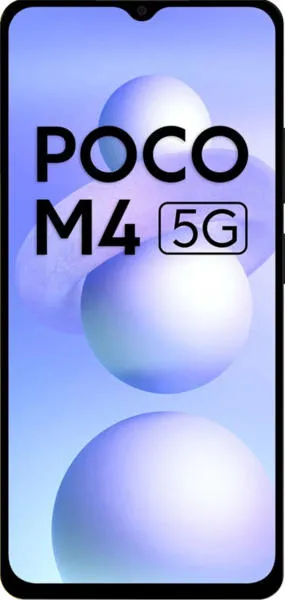
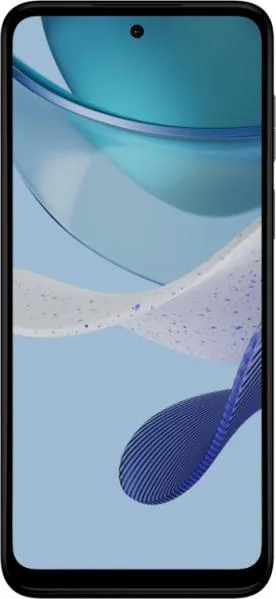
Xiaomi Poco M4 5G vs. Motorola Moto G (2023): A Real-World Comparison
Hello fellow tech explorers! Today, we're diving deep into a head-to-head comparison of two mid-range contenders: the Xiaomi Poco M4 5G and the Motorola Moto G (2023). We'll dissect their specs, analyze their real-world performance, and help you decide which phone best fits your needs.
1. Specifications Breakdown
| Feature | Xiaomi Poco M4 5G | Motorola Moto G (2023) | Real-World Implications |
|---|---|---|---|
| Design | |||
| Dimensions (mm) | 164 x 76.1 x 8.9 | 164 x 75 x 8.4 | Both phones are practically the same size. Moto G (2023) is slightly thinner and lighter. |
| Weight (g) | 200 | 189 | Negligible difference in hand feel. |
| Display | |||
| Size (inches) | 6.58 | 6.5 | Poco M4 offers slightly more screen real estate. |
| Resolution | 1080 x 2408 | 720 x 1600 | Poco M4 boasts significantly sharper visuals (401 ppi vs. 270 ppi), noticeable in text and image clarity. |
| Refresh Rate (Hz) | 90 | 120 | Moto G's higher refresh rate delivers smoother scrolling and animations, beneficial for gaming. |
| Display Type | IPS LCD | IPS LCD | Expect similar color accuracy and viewing angles. |
| Performance | |||
| Chipset | Dimensity 700 | Snapdragon 480+ 5G | Both offer 5G connectivity. Snapdragon 480+ generally provides slightly better performance. |
| CPU | Octa-core (2x2.2 GHz Cortex-A76 & 6x2.0 GHz Cortex-A55) | Octa-core (2x2.2 GHz Kryo 460 & 6x1.8 GHz Kryo 460) | Both CPUs are comparable in everyday tasks, but Snapdragon 480+ might have an edge in demanding apps. |
| GPU | Mali-G57 MC2 | Adreno 619 | Adreno 619 generally offers a smoother gaming experience. |
| RAM | 4/6GB | 4GB | Poco M4 offers a 6GB RAM option for better multitasking. |
| Camera | |||
| Main Camera (MP) | 50 | 48 | Comparable main camera resolution. Image quality depends more on sensor and software processing. |
| Selfie Camera (MP) | 8 | 8 | Similar selfie camera resolution. |
| Battery Life | |||
| Capacity (mAh) | 5000 | 5000 | Expect similar battery life, though real-world usage will vary. |
2. Key Insights
- Display: The Poco M4's higher resolution screen is a clear winner for media consumption and overall visual clarity. The Moto G (2023)'s 120Hz refresh rate provides a smoother user experience, especially noticeable in gaming and scrolling.
- Performance: While both chipsets offer decent performance for everyday tasks, the Snapdragon 480+ in the Moto G (2023) and its Adreno 619 GPU generally provide a slight edge in gaming and demanding applications. The Poco M4 does offer a 6GB RAM variant which is beneficial for multitasking.
- Camera: On paper, the camera setups appear similar. Real-world image quality will depend heavily on the image processing algorithms of each phone. We need further testing to definitively compare camera performance.
- Software and Updates: The Moto G (2023) ships with Android 13, giving it a software advantage in terms of features and potentially longer update support compared to the Poco M4's Android 12.
3. User Profiles and Recommendations
- Poco M4 5G: Best suited for users who prioritize display sharpness and media consumption. The higher resolution screen makes a noticeable difference in everyday use. The 6GB RAM option is ideal for power users.
- Moto G (2023): A good choice for budget-conscious gamers and those who value smooth scrolling and a more up-to-date operating system.
4. Buying Decision Framework
- Is display sharpness a top priority? If yes, the Poco M4's higher resolution screen is the better choice.
- Is a smooth user experience (higher refresh rate) more important? If so, the Moto G (2023)'s 120Hz display will be more appealing.
- What's your budget? Consider the price difference between the two models and whether the features of one phone justify the extra cost.
My Choice: Xiaomi Poco M4 5G (6GB RAM Variant)
While the Moto G (2023)'s 120Hz refresh rate is tempting, I personally value a sharp display above all else. The Poco M4 5G's significantly higher resolution screen provides a noticeably better visual experience for everyday tasks, media consumption, and even gaming. The availability of a 6GB RAM option ensures smooth multitasking, making the Poco M4 5G a more well-rounded device for my needs. The slightly older Android version is a minor trade-off I'm willing to make for the superior display. Furthermore, I often utilize NFC for mobile payments, which the Poco M4 5G offers and the Moto G (2023) lacks.
