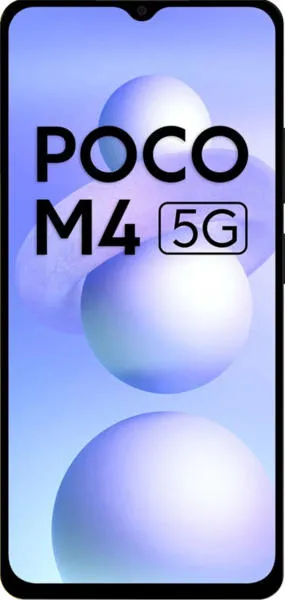
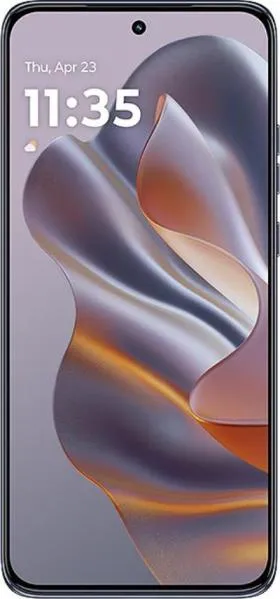
Xiaomi Poco M4 5G vs. Motorola Edge 50 Neo: A Deep Dive
Let's dissect the Xiaomi Poco M4 5G and the Motorola Edge 50 Neo, going beyond the spec sheet to uncover what truly matters for everyday use.
1. Specifications Breakdown
| Feature | Xiaomi Poco M4 5G | Motorola Edge 50 Neo | Real-World Implications | |||||
|---|---|---|---|---|---|---|---|---|
| Design | ||||||||
| Dimensions (mm) | 164 x 76.1 x 8.9 | 154.1 x 71.2 x 8.1 | Edge 50 Neo is noticeably more compact and lighter, enhancing one-handed usability. | |||||
| Weight (g) | 200 | 171 | Lighter weight contributes to greater comfort during extended use. | |||||
| Display | ||||||||
| Type | IPS LCD | P-OLED | Edge 50 Neo's P-OLED offers deeper blacks, richer colors, and potentially better power efficiency. | |||||
| Refresh Rate (Hz) | 90 | 120 | Edge 50 Neo delivers smoother scrolling and animations, enhancing visual fluidity. | |||||
| Resolution | 1080 x 2408 | 1256 x 2760 | Edge 50 Neo boasts a sharper display with higher pixel density, resulting in crisper text and images. | HDR | No | HDR10+ | Edge 50 Neo supports HDR10+ for a wider dynamic range and more vibrant visuals in compatible content. | |
| Performance | ||||||||
| Chipset | Dimensity 700 (7nm) | Dimensity 7300 (4nm) | Edge 50 Neo's newer and more efficient chipset promises significantly improved performance and power management. | |||||
| CPU | Octa-core (2x2.2 GHz A76 & 6x2.0 GHz A55) | Octa-core (4x2.5 GHz A78 & 4x2.0 GHz A55) | Edge 50 Neo's CPU architecture provides a substantial performance boost for demanding tasks and multitasking. | |||||
| RAM (GB) | 4/6 | 8/12 | More RAM in the Edge 50 Neo allows for smoother multitasking and handling of demanding applications. | |||||
| Camera | ||||||||
| Main Camera (MP) | 50 | 50 + 13 + 10 | Edge 50 Neo offers a triple camera system with versatile wide-angle and telephoto capabilities, providing greater flexibility for photography enthusiasts. | |||||
| Selfie Camera (MP) | 5 | 32 | Edge 50 Neo's higher resolution selfie camera should capture more detailed self-portraits. | |||||
| Video | 1080p@30fps | 4K@30fps, 1080p@240fps | Edge 50 Neo supports higher resolution video recording and slow-motion capabilities. | |||||
| Battery | ||||||||
| Capacity (mAh) | 5000 | 4310 | While smaller, the Edge 50 Neo's more efficient chipset could potentially offset the capacity difference. Real-world battery life would depend on usage patterns. |
2. Key Insights
The Xiaomi Poco M4 5G prioritizes affordability and long battery life. It's a capable device for everyday tasks, but its performance and display technology lag behind the Edge 50 Neo.
The Motorola Edge 50 Neo, while slightly pricier, offers a significantly upgraded experience with a superior display, a much faster processor, more RAM, and a more versatile camera system. Its modern design and compact form factor are also appealing. The trade-off is a slightly smaller battery, but the newer processor's efficiency might balance this out in real-world use.
3. User Profiles and Recommendations
Poco M4 5G: Best suited for budget-conscious users who prioritize battery life and reliable performance for basic tasks like social media, web browsing, and casual gaming.
Edge 50 Neo: Ideal for users who demand a smoother, more responsive experience with a vibrant display, excellent camera capabilities, and ample power for demanding applications and multitasking. Great for mobile photography enthusiasts and those who consume media on their phones.
4. Buying Decision Framework
- What is your budget? The Poco M4 5G offers excellent value for its price, while the Edge 50 Neo commands a premium for its enhanced features.
- What are your primary smartphone uses? For basic tasks, the Poco M4 5G suffices. For demanding apps, gaming, or media consumption, the Edge 50 Neo is the clear winner.
- How important is display quality and camera performance? The Edge 50 Neo significantly outperforms the Poco M4 5G in these areas.
My Choice: Motorola Edge 50 Neo
If I were choosing between these two, I'd opt for the Motorola Edge 50 Neo. While the Poco M4 5G is a solid budget option, the Edge 50 Neo's superior performance, stunning display, versatile camera system, and modern design are compelling. The performance gains from the Dimensity 7300 alone make it a worthwhile upgrade. I'm willing to sacrifice a little battery capacity for a significantly enhanced user experience. The advancements in chipset technology suggest that the Edge 50 Neo might even surprise with its battery life despite the smaller capacity. Furthermore, as a tech enthusiast, I value a fluid and responsive user interface, which the 120Hz P-OLED display guarantees.
