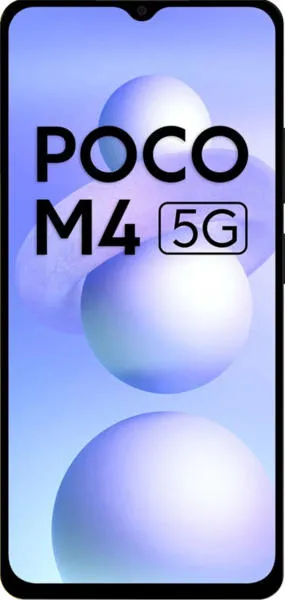
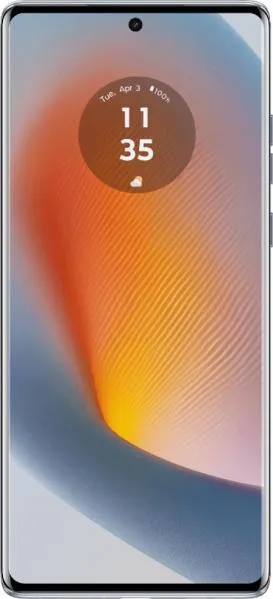
Xiaomi Poco M4 5G vs. Motorola Edge 50 Fusion: A Deep Dive
Let's dissect the Xiaomi Poco M4 5G and the Motorola Edge 50 Fusion, going beyond the spec sheets to understand what these phones offer in the real world.
1. Specifications Breakdown
| Feature | Xiaomi Poco M4 5G | Motorola Edge 50 Fusion | Real-World Implications |
|---|---|---|---|
| Design | |||
| Dimensions (mm) | 164 x 76.1 x 8.9 | 161.9 x 73.1 x 7.9 | Fusion is slightly more compact and thinner. |
| Weight (g) | 200 | 174.9 | Fusion feels noticeably lighter in hand. |
| Display | |||
| Type | IPS LCD, 90Hz | P-OLED, 120/144Hz | Fusion offers deeper blacks, richer colors, and smoother scrolling due to OLED and higher refresh rate. |
| Size | 6.58" | 6.7" | Fusion has a slightly larger screen. |
| Resolution | 1080 x 2408 | 1080 x 2400 | Similar sharpness; both are crisp for everyday use. |
| Performance | |||
| Chipset | Dimensity 700 (7nm) | Snapdragon 7s Gen 2 (4nm) | Fusion boasts a significantly more powerful and efficient processor. |
| CPU | Octa-core (2.2 GHz) | Octa-core (2.4 GHz) | Fusion offers better performance in demanding tasks and multitasking. |
| RAM | 4/6GB | 8/12GB | Fusion provides more headroom for smoother multitasking and future-proofing. |
| Camera | |||
| Main Camera | 50MP | 50MP (OIS) | Similar resolution, but Fusion has Optical Image Stabilization (OIS) for sharper photos and videos. |
| Selfie Camera | 5MP | 32MP | Fusion has a much higher resolution selfie camera. |
| Video | 1080p@30fps | 4K@30fps | Fusion can record in much higher resolution. |
| Battery Life | |||
| Capacity | 5000 mAh | 5000 mAh | Similar battery capacity, but Fusion's efficient processor might lead to longer real-world usage. |
| Other | |||
| OS | Android 12 | Android 14 | Fusion comes with a newer Android version, promising longer software support. |
| Price Range | Medium | Medium | Pricing may vary by region and storage configuration. |
2. Key Insights
The Motorola Edge 50 Fusion pulls ahead in key areas:
- Performance: The Snapdragon 7s Gen 2 is a clear winner over the Dimensity 700, delivering a noticeable difference in speed and responsiveness. Gaming, multitasking, and demanding apps will run smoother on the Fusion.
- Display: The Fusion's P-OLED screen with a higher refresh rate offers superior visual quality and a more fluid user experience. Deeper blacks, vibrant colors, and smoother animations make a tangible difference.
- Camera: OIS on the Fusion's main camera significantly improves image stability, especially in low light. The higher resolution selfie camera is a bonus for social media enthusiasts. 4K video recording capability is another big plus for the Fusion.
- Software: Launching with Android 14, the Fusion has a longer runway for software updates, ensuring security and new features for a longer period.
The Poco M4 5G offers advantages in:
- Price: Generally more affordable, making it a compelling option for budget-conscious buyers.
3. User Profiles and Recommendations
- Poco M4 5G: Best for users on a tight budget prioritizing basic functionality, reliable connectivity, and all-day battery life. Suitable for light users focused on communication, social media, and web browsing.
- Motorola Edge 50 Fusion: Ideal for users seeking a well-rounded experience with strong performance, a beautiful display, a capable camera, and the latest software. Great for gamers, content creators, and those who demand a fluid and responsive user interface.
4. Buying Decision Framework
- What is your budget? If price is your primary concern, the Poco M4 5G offers excellent value.
- What are your primary smartphone uses? For demanding tasks like gaming or content creation, the Fusion's superior performance is crucial. For basic usage, the Poco M4 5G suffices.
- How important is display quality and smoothness? If you value a vibrant and responsive display, the Fusion's OLED with a higher refresh rate is a clear winner.
My Choice: Motorola Edge 50 Fusion
If I were choosing between these two, I'd go with the Motorola Edge 50 Fusion. The performance difference alone is significant enough to justify the likely price premium. The superior display, better camera system with OIS, and newer Android version solidify its position as the more compelling device for my needs. I value a smooth and responsive user experience, especially for multitasking and content consumption, and the Fusion delivers that in spades. While the Poco M4 5G is a solid budget option, the Fusion's advantages across multiple categories make it the clear winner for me. The longer software update support also provides peace of mind knowing the device will remain secure and feature-rich for an extended period.
