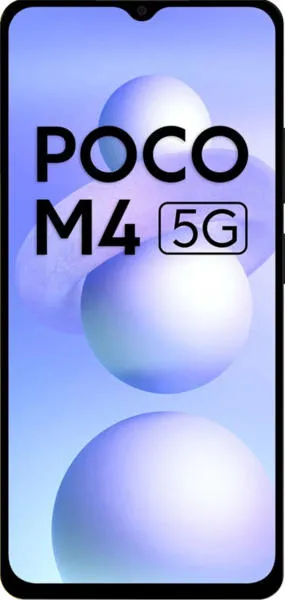
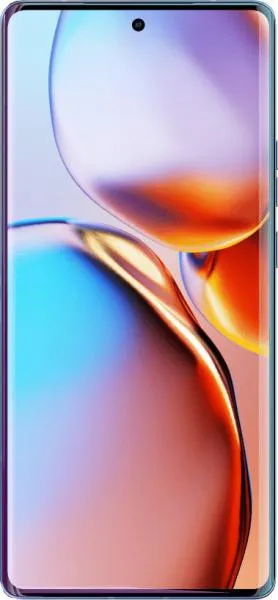
Xiaomi Poco M4 5G vs. Motorola Edge 40 Pro: A Deep Dive
Let's dissect the Xiaomi Poco M4 5G and the Motorola Edge 40 Pro, two phones targeting different segments of the market. We'll go beyond the spec sheet to understand what these numbers mean for your daily life.
1. Specifications Breakdown
| Feature | Xiaomi Poco M4 5G | Motorola Edge 40 Pro | Real-World Implications |
|---|---|---|---|
| Design | |||
| Dimensions (mm) | 164 x 76.1 x 8.9 | 161.2 x 74 x 8.6 | Edge 40 Pro is slightly more compact. |
| Weight (g) | 200 | 199 | Negligible weight difference. |
| Build Materials | Plastic | Glass/Aluminum | Edge 40 Pro offers a more premium feel and potentially better durability. |
| Display | |||
| Type | IPS LCD | OLED | Edge 40 Pro delivers richer blacks, vibrant colors, and better power efficiency. |
| Size | 6.58" | 6.67" | Edge 40 Pro provides a slightly larger screen. |
| Refresh Rate | 90Hz | 165Hz | Edge 40 Pro offers significantly smoother scrolling and animations, especially noticeable in gaming. |
| Resolution | 1080 x 2408 | 1080 x 2400 | Virtually identical sharpness. |
| Performance | |||
| Chipset | Dimensity 700 | Snapdragon 8 Gen 2 | Edge 40 Pro boasts a flagship processor, translating to vastly superior performance in demanding tasks and games. |
| CPU | Octa-core (2.2 GHz) | Octa-core (3.2 GHz) | Edge 40 Pro's CPU offers significantly higher clock speeds, resulting in much faster processing. |
| RAM | 4/6GB | 12GB | Edge 40 Pro has substantially more RAM, enabling smoother multitasking and handling of demanding applications. |
| Camera | |||
| Main Camera | 50MP | 50MP | Both have high-resolution sensors, but image quality will depend on processing and lens quality. |
| Ultrawide | N/A | 50MP | Edge 40 Pro offers ultrawide photography for capturing expansive scenes. |
| Telephoto | N/A | 12MP | Edge 40 Pro provides optical zoom capabilities for closer shots. |
| Video | 1080p@30fps | 8K@30fps | Edge 40 Pro offers significantly higher video resolution and frame rate options. |
| Battery Life | |||
| Capacity | 5000 mAh | 4600 mAh | Poco M4 5G has a larger battery capacity, potentially offering longer battery life. |
| Charging | Fast Charging | Fast Charging | Both phones support Fast Charging with Proprietary standards, though Edge 40 Pro likely charges much faster |
| Price | $160-205 | $628+ | Poco M4 5g offers a significantly lower price point |
2. Key Insights
The Poco M4 5G is a budget-friendly device prioritizing battery life and adequate performance for everyday tasks. The Edge 40 Pro, on the other hand, is a flagship powerhouse designed for demanding users who prioritize top-tier performance, a premium display, and advanced camera features.
3. User Profiles and Recommendations
Poco M4 5G: Suitable for budget-conscious users, casual gamers, and those who prioritize long battery life. It's a great option for social media browsing, web surfing, and light productivity.
Edge 40 Pro: Ideal for power users, mobile gamers, photography enthusiasts, and anyone seeking a premium smartphone experience. It excels in demanding tasks, content creation, and immersive multimedia consumption.
4. Buying Decision Framework
- What's your budget? The Poco M4 5G offers excellent value for its price, while the Edge 40 Pro commands a flagship price tag.
- What are your performance needs? For casual use, the Poco M4 5G is sufficient. For demanding tasks and gaming, the Edge 40 Pro is a must.
- What are your priorities? Battery life and affordability? Choose the Poco M4 5G. Top-tier performance, premium display, and advanced camera? Choose the Edge 40 Pro.
My Choice: Motorola Edge 40 Pro
While the Poco M4 5G offers excellent value, I would choose the Motorola Edge 40 Pro. As a tech journalist, I need a device that can handle demanding tasks, multitask seamlessly, capture high-quality photos and videos, and offer a smooth and responsive user experience. The Edge 40 Pro's Snapdragon 8 Gen 2 processor, ample RAM, stunning OLED display with a high refresh rate, and versatile camera system align perfectly with my needs. The premium build quality and the promise of future-proof performance due to the powerful hardware and software support solidify my decision. While the price is significantly higher, the long-term benefits and enhanced user experience justify the investment for my professional requirements.
