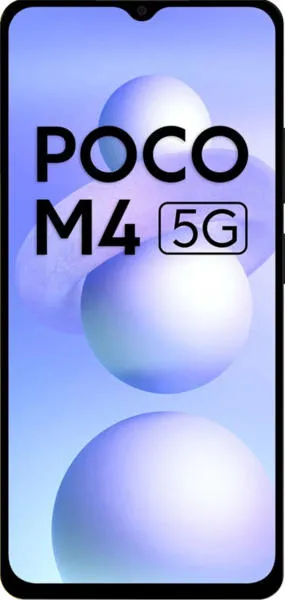
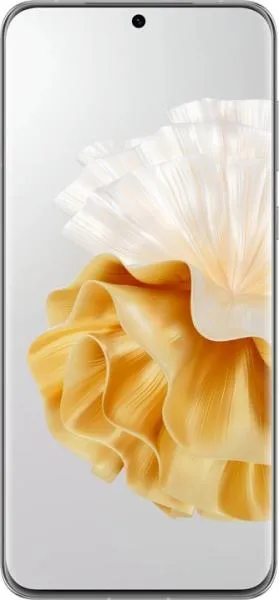
Xiaomi Poco M4 5G vs. Huawei P60 Pro: A Deep Dive for the Discerning User
Hello fellow tech explorers! Alex Griffin here, ready to dissect the Xiaomi Poco M4 5G and the Huawei P60 Pro. We'll go beyond the spec sheets to uncover what these phones really offer in terms of daily use. Let's get started!
1. Specifications Breakdown
| Feature | Xiaomi Poco M4 5G | Huawei P60 Pro | Real-World Implications |
|---|---|---|---|
| Design | |||
| Dimensions (mm) | 164 x 76.1 x 8.9 | 161 x 74.5 x 8.3 | P60 Pro is slightly more compact. |
| Weight (g) | 200 | 200 | Identical weight, average for their sizes. |
| Build Materials | Plastic | Glass & Metal | P60 Pro offers a more premium feel and potentially better durability. |
| Display | |||
| Type | IPS LCD | LTPO OLED | P60 Pro boasts superior contrast, deeper blacks, and potentially brighter visuals. |
| Size (inches) | 6.58 | 6.67 | P60 Pro has a slightly larger screen. |
| Resolution | 1080 x 2408 | 1220 x 2700 | P60 Pro offers sharper visuals due to higher resolution and pixel density. |
| Refresh Rate (Hz) | 90 | 120 | P60 Pro provides smoother scrolling and animations. |
| Performance | |||
| Chipset | Dimensity 700 | Snapdragon 8+ Gen 1 | P60 Pro significantly outperforms in processing power, enabling smoother multitasking and demanding gaming. |
| CPU | Octa-core (2.2 GHz) | Octa-core (3.19 GHz) | P60 Pro has a much faster and more powerful CPU. |
| GPU | Mali-G57 MC2 | Adreno 730 | P60 Pro offers dramatically better graphics performance. |
| RAM (GB) | 4/6 | 8/12 | P60 Pro provides more memory for multitasking. |
| Camera | |||
| Main Camera (MP) | 50 | 48 | While megapixels are similar, P60 Pro utilizes a larger sensor with variable aperture for superior low-light performance and depth control. |
| Other Cameras | 8MP ultrawide, 2MP macro | 13MP ultrawide, 48MP Telephoto | P60 Pro has a more versatile camera system with a high-resolution telephoto lens. |
| Battery | |||
| Capacity (mAh) | 5000 | 4815 | Poco M4 5G has a slightly larger battery, but real-world battery life depends on usage and optimization. |
2. Key Insights
- Performance: The P60 Pro's Snapdragon 8+ Gen 1 demolishes the Poco M4 5G's Dimensity 700. Expect flagship-level speed and responsiveness from the P60 Pro.
- Display: The P60 Pro's LTPO OLED display delivers vibrant colors, inky blacks, and a smoother 120Hz refresh rate, providing a significantly better visual experience.
- Camera: The P60 Pro's advanced camera system, especially its variable aperture and telephoto lens, offers far greater versatility and image quality.
- Price: The Poco M4 5G targets budget-conscious consumers, while the P60 Pro is a premium flagship device. The price difference is substantial.
3. User Profiles and Recommendations
- Poco M4 5G: Best suited for users on a tight budget who prioritize basic functionality: calling, texting, web browsing, and casual social media use.
- P60 Pro: Ideal for power users, photographers, and mobile gamers who demand top-tier performance, a stunning display, and a cutting-edge camera system.
4. Buying Decision Framework
- What's your budget? If price is a major concern, the Poco M4 5G is a viable option. If you're willing to invest in a premium experience, the P60 Pro is the clear winner.
- What are your primary use cases? For basic tasks, the Poco M4 5G suffices. For demanding applications and mobile photography, the P60 Pro excels.
- How important is future-proofing? The P60 Pro's superior hardware will likely age better, providing a smoother experience for longer.
My Choice: Huawei P60 Pro
While the Poco M4 5G offers excellent value for its price, I would choose the Huawei P60 Pro. As a tech enthusiast who values performance, a stellar display, and advanced camera capabilities, the P60 Pro aligns perfectly with my needs. The fluid 120Hz LTPO OLED screen, the powerhouse Snapdragon 8+ Gen 1 processor, and the versatile camera system with its innovative variable aperture are compelling features I can't resist. Though it comes at a premium price, the P60 Pro offers a significant leap in overall user experience. The lack of Google Mobile Services might be a deal-breaker for some, but for me, the hardware and overall experience outweigh that drawback.
