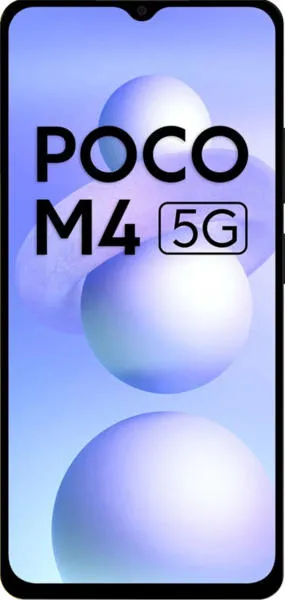
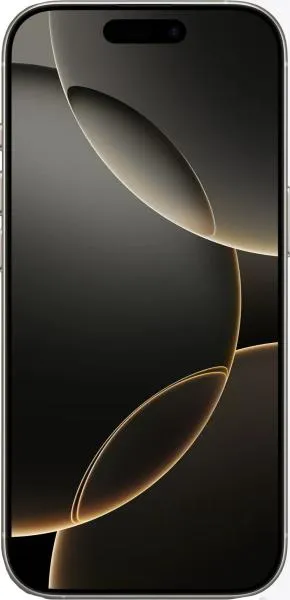
Let's dive into a comparative analysis of the Xiaomi Poco M4 5G and the Apple iPhone 16 Pro. These two smartphones occupy distinct segments of the market, catering to different user needs and budgets.
1. Specifications Breakdown
| Feature | Xiaomi Poco M4 5G | Apple iPhone 16 Pro | Real-World Implications |
|---|---|---|---|
| Design | |||
| Dimensions (mm) | 164 x 76.1 x 8.9 | 149.6 x 71.5 x 8.3 | iPhone 16 Pro is significantly more compact and pocketable. |
| Weight (g) | 200 | 199 | Negligible weight difference. |
| Build Materials | Plastic | Glass & Stainless Steel | iPhone 16 Pro offers a more premium feel and potentially better durability. |
| Display | |||
| Type | IPS LCD | LTPO Super Retina XDR OLED | iPhone's OLED delivers superior contrast, deeper blacks, and potentially higher brightness. |
| Size (inches) | 6.58 | 6.3 | Poco M4 5G offers a larger screen for media consumption; iPhone 16 Pro prioritizes one-handed use. |
| Resolution | 1080 x 2408 | 1206 x 2622 | iPhone boasts a sharper display with higher pixel density (460 ppi vs 401 ppi). |
| Refresh Rate (Hz) | 90 | 120 | iPhone 16 Pro provides smoother scrolling and animations. |
| Performance | |||
| Chipset | Dimensity 700 | Apple A18 Pro | A18 Pro offers significantly faster processing and graphics performance. |
| CPU | Octa-core | Hexa-core | A18 Pro's architecture and higher clock speeds translate to a much more responsive experience. |
| RAM (GB) | 4/6 | 8 | More RAM in the iPhone 16 Pro enables better multitasking and app switching. |
| Camera | |||
| Main Camera (MP) | 50 | 48 | iPhone 16 Pro utilizes larger sensors and advanced computational photography for superior image quality. |
| Ultrawide (MP) | 8 | 48 | iPhone 16 Pro boasts a higher resolution ultrawide with macro capabilities. |
| Telephoto (MP) | N/A | 12 | iPhone 16 Pro offers optical zoom for capturing distant subjects. |
| Video | 1080p@30fps | Up to 4K@120fps | iPhone 16 Pro supports significantly higher resolution and frame rate video recording. |
| Battery Life | |||
| Capacity (mAh) | 5000 | 3582 | Poco M4 5G has a substantially larger battery capacity, potentially lasting longer on a single charge. |
| Charging | 18W | Proprietary Fast Charging | iPhone 16 Pro likely charges faster due to optimized charging technology, but specifics are missing. |
2. Key Insights
- Performance: The iPhone 16 Pro, with its A18 Pro chip, drastically outperforms the Poco M4 5G. This translates to a smoother, more responsive experience in demanding tasks like gaming, video editing, and augmented reality.
- Display: The iPhone 16 Pro's OLED display provides richer colors, deeper blacks, and a higher refresh rate for fluid animations. While the Poco M4 5G has a larger display, the iPhone's superior quality enhances media consumption.
- Camera: The iPhone 16 Pro's camera system is significantly more advanced, featuring larger sensors, optical zoom, and superior computational photography capabilities. Expect significantly better image and video quality from the iPhone 16 Pro.
- Battery Life: While the Poco M4 5G has a much larger battery, Apple's efficient hardware and software could potentially deliver comparable battery life despite the smaller capacity. Real-world usage will determine the actual difference.
3. User Profiles and Recommendations
- Xiaomi Poco M4 5G: Budget-conscious users prioritizing battery life and a large display for media consumption. Suitable for everyday tasks like web browsing, social media, and casual gaming.
- Apple iPhone 16 Pro: Users seeking top-tier performance, a premium display, and a cutting-edge camera system. Ideal for power users, content creators, and mobile gamers.
4. Buying Decision Framework
- What is your budget? The Poco M4 5G is a budget-friendly option, while the iPhone 16 Pro is a premium flagship.
- What are your performance needs? For demanding tasks, the iPhone 16 Pro is the clear winner. For basic use, the Poco M4 5G is sufficient.
- What features are most important to you? Prioritize battery life with the Poco M4 5G or a premium display and camera with the iPhone 16 Pro.
My Choice: Apple iPhone 16 Pro
While the Poco M4 5G offers excellent value for its price, I would choose the iPhone 16 Pro. As a tech journalist focused on the interplay of hardware and user experience, the iPhone's superior performance, stunning display, and advanced camera system are compelling. The seamless integration of hardware and software, along with the promise of longevity within the Apple ecosystem, aligns with my need for a device that can handle demanding tasks and provide a consistently excellent user experience. While battery life is a consideration, I prioritize performance and overall quality, making the iPhone 16 Pro the better fit for my needs.
