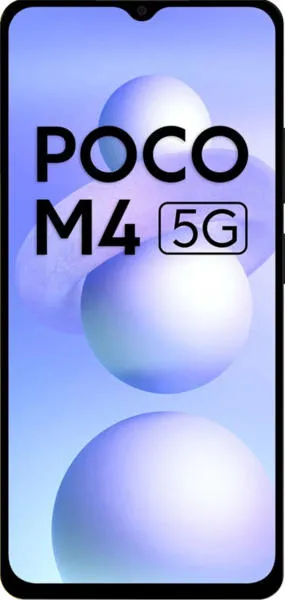
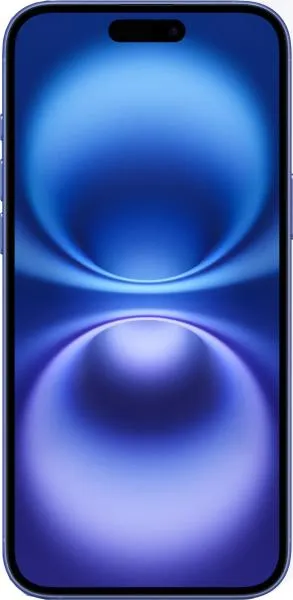
Xiaomi Poco M4 5G vs. Apple iPhone 16 Plus: A Deep Dive
Let's dissect the Xiaomi Poco M4 5G and the Apple iPhone 16 Plus, two phones vying for attention in the competitive smartphone arena. We'll go beyond the spec sheets to understand what these numbers truly mean for you.
1. Specifications Breakdown
| Feature | Xiaomi Poco M4 5G | Apple iPhone 16 Plus | Real-World Implications |
|---|---|---|---|
| Design | |||
| Dimensions (mm) | 164 x 76.1 x 8.9 | 160.9 x 77.8 x 7.8 | iPhone 16 Plus is slightly smaller and noticeably thinner, potentially feeling more premium. |
| Weight (g) | 200 | 199 | Negligible weight difference. |
| Build Materials | Plastic | Glass & Aluminum | iPhone boasts premium materials, contributing to durability and a more luxurious feel. |
| Display | |||
| Size (inches) | 6.58 | 6.7 | iPhone offers a slightly larger screen for more immersive content consumption. |
| Resolution (px) | 1080 x 2408 | 1290 x 2796 | iPhone has a sharper, more detailed display. |
| Panel Type | IPS LCD | Super Retina XDR OLED | iPhone's OLED delivers superior contrast, deeper blacks, and vibrant colors. |
| Refresh Rate (Hz) | 90 | (Unspecified) | Higher refresh rate on the Poco M4 5G results in smoother scrolling and animations. |
| Performance | |||
| Chipset | Dimensity 700 | Apple A18 | A18 offers significantly faster processing speeds and superior graphics performance. |
| CPU | Octa-core | Hexa-core | A18's architecture is optimized for performance and efficiency. |
| RAM (GB) | 4/6 | 8 | More RAM in the iPhone enables better multitasking and smoother app switching. |
| Camera | |||
| Main Camera (MP) | 50 MP | 48 MP | Both offer high-resolution main cameras, but image quality depends on sensor and processing. |
| Ultrawide (MP) | N/A | 12 MP | iPhone offers ultrawide photography for capturing expansive scenes. |
| Selfie Camera (MP) | 5 MP | 12MP | iPhone's higher resolution front camera is better suited for video calls and selfies |
| Video | 1080p@30fps | 4K@60fps | iPhone records significantly higher resolution and frame rate video. |
| Battery Life | |||
| Capacity (mAh) | 5000 | 4323 | Poco M4 5G has a larger battery capacity, potentially offering longer usage time. |
2. Key Insights
- Performance: The iPhone 16 Plus, with its A18 chip and ample RAM, will deliver a noticeably smoother and faster user experience across the board. The Poco M4 5G, while capable for everyday tasks, will likely struggle with demanding applications and games.
- Display: The iPhone's Super Retina XDR OLED display is a clear winner, offering stunning visuals with vibrant colors and deep blacks. The Poco M4 5G's 90Hz IPS LCD, while smoother, falls short in color accuracy and contrast.
- Camera: While megapixel counts are similar, the iPhone's advanced camera system, including an ultrawide lens and superior video recording capabilities, sets it apart. Expect better image quality, especially in low-light conditions, from the iPhone.
- Battery Life: The Poco M4 5G's larger battery might last longer on paper, but real-world usage will depend on software optimization. The A18 chip's efficiency could give the iPhone surprisingly good battery life despite its smaller capacity.
3. User Profiles and Recommendations
- Poco M4 5G: Best suited for budget-conscious users who prioritize basic functionality, a large battery, and a smooth display for everyday tasks like web browsing and social media.
- iPhone 16 Plus: Ideal for users who demand top-tier performance, a premium display, an advanced camera system, and a seamless user experience. Content creators, mobile gamers, and photography enthusiasts will appreciate its capabilities.
4. Buying Decision Framework
- What is your budget? The Poco M4 5G is significantly more affordable.
- What are your performance needs? For demanding tasks, the iPhone 16 Plus is essential.
- Which operating system do you prefer? Android offers more customization, while iOS is known for its simplicity and user-friendliness.
My Choice: Apple iPhone 16 Plus
While the Poco M4 5G offers excellent value for its price, I would choose the iPhone 16 Plus. The superior performance, stunning display, and advanced camera system are crucial for my workflow as a tech journalist. The seamless integration within the Apple ecosystem and the promise of long-term software updates further solidify my decision. While the price premium is significant, the iPhone 16 Plus offers a substantial leap in overall user experience that justifies the investment for me. I value having a device that can handle demanding tasks, capture high-quality photos and videos, and provide a consistently smooth and enjoyable user experience. The Poco M4 5G is a commendable budget option, but it simply doesn't match the iPhone 16 Plus in terms of overall capability and long-term value.
