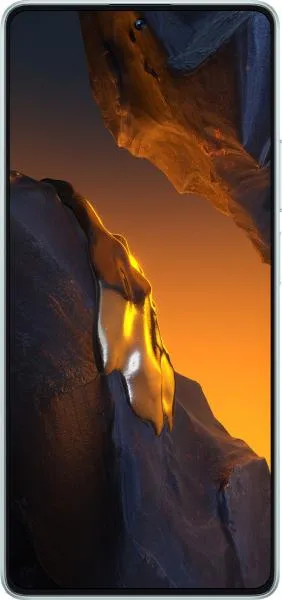

1. Specifications Comparison
| Feature | Xiaomi Poco F5 | ZTE nubia Z60 Ultra | Practical Impact |
|---|---|---|---|
| Design | |||
| Dimensions (mm) | 161.1 x 75 x 7.9 | 164 x 76.4 x 8.8 | Z60 Ultra is slightly larger and noticeably thicker. Poco F5 is more pocketable. |
| Weight (g) | 181 | 246 | Significant weight difference; Z60 Ultra will feel much heavier in hand. |
| Build Materials | Not specified | Not specified | Cannot compare build quality and premium feel without this information. |
| Display | |||
| Display Size (inches) | 6.67 | 6.8 | Z60 Ultra offers a slightly larger screen for more immersive content consumption. |
| Resolution (pixels) | 1080 x 2400 | 1116 x 2480 | Both offer sharp displays; Z60 Ultra's slightly higher resolution might be imperceptible in daily use. |
| Panel Type | AMOLED | AMOLED | Both use AMOLED for vibrant colors and deep blacks. |
| Refresh Rate (Hz) | 120 | 120 | Both offer smooth scrolling and animations with 120Hz refresh rate. |
| Peak Brightness (nits) | 1000 | 1500 | Z60 Ultra's significantly higher peak brightness will be more visible in direct sunlight. |
| Performance | |||
| Chipset | Snapdragon 7+ Gen 2 | Snapdragon 8 Gen 3 | Z60 Ultra boasts a flagship-level processor, offering significantly better performance for demanding tasks and gaming. |
| CPU | Octa-core (up to 2.91 GHz) | Octa-core (up to 3.3 GHz) | Z60 Ultra has a faster and more powerful CPU architecture. |
| GPU | Adreno 725 | Adreno 750 | Z60 Ultra's superior GPU will provide a better gaming experience and handle graphics-intensive tasks more smoothly. |
| RAM (GB) | 8/12 | 8/12/16/24 | Both offer configurations with ample RAM; Z60 Ultra offers higher RAM options for extreme multitasking. |
| Camera | |||
| Main Camera (MP) | 64 | 54 | Megapixel count isn't everything; image quality depends on sensor size, aperture, and processing. |
| Ultrawide (MP) | 8 | 50 | Z60 Ultra offers a significantly higher resolution ultrawide camera. |
| Telephoto (MP) | Not specified/2MP Macro | 64 | Z60 Ultra has a dedicated telephoto lens for optical zoom, a significant advantage. Poco F5 only lists a 2MP macro lens. |
| Video Recording | Up to 4K@30fps | Up to 8K@30fps | Z60 Ultra can record in higher resolution (8K). |
| Battery | |||
| Capacity (mAh) | 5000 | 6000 | Z60 Ultra's larger battery likely translates to longer battery life. |
| Charging Speed | Not specified | Not specified | Cannot compare charging speeds without this information. |
2. Key Differences Analysis
Xiaomi Poco F5 Advantages:
- Lighter and More Compact: More comfortable for one-handed use and pocket portability.
- Potentially More Affordable: Generally positioned in a lower price bracket.
ZTE nubia Z60 Ultra Advantages:
- Flagship Performance: Snapdragon 8 Gen 3 provides significantly better performance for gaming and demanding applications.
- Brighter Display: Much brighter for outdoor visibility.
- Larger Battery: Potentially longer battery life.
- Superior Camera System: Higher resolution ultrawide, dedicated telephoto lens, and 8K video recording.
- Faster USB standard: USB 3.1 offers potentially faster data transfer speeds compared to USB 2.0 on the Poco F5
3. User Profiles & Recommendations
Xiaomi Poco F5: Suitable for budget-conscious users who prioritize a lightweight and compact phone for everyday tasks, social media, and light gaming.
ZTE nubia Z60 Ultra: Ideal for power users, gamers, and photography enthusiasts who demand top-tier performance, a brilliant display, and a versatile camera system.
4. Decision Framework
Key Questions for Buyers:
- What is your budget? The Poco F5 is likely more affordable.
- What are your primary use cases? (Gaming, photography, everyday tasks)
- Do you prioritize portability and one-handed use? The Poco F5 excels in this area.
My Choice: ZTE nubia Z60 Ultra
While the Poco F5 offers a compelling package for its price, the ZTE nubia Z60 Ultra is the clear winner for me. The significantly improved performance with the Snapdragon 8 Gen 3, the superior camera system with a dedicated telephoto lens and 8K video recording, the brighter display, and the larger battery make it a much more capable device. The extra weight and size are trade-offs I'm willing to accept for the substantial performance and feature upgrades. The Z60 Ultra is a future-proof device that will handle demanding tasks and provide a premium user experience for years to come. While price is a factor, assuming a reasonable price difference, the Z60 Ultra offers significantly more value for the performance and features provided.
