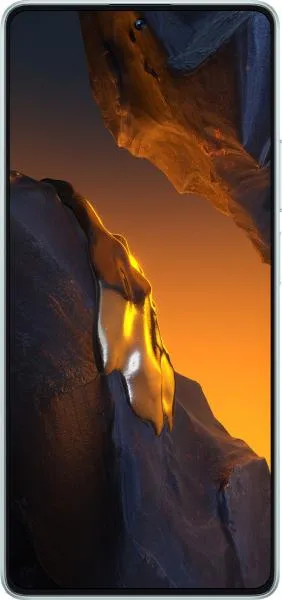

1. Specifications Comparison
| Feature | Xiaomi Poco F5 | ZTE nubia Red Magic 9S Pro | Practical Impact |
|---|---|---|---|
| Design | |||
| Dimensions (mm) | 161.1 x 75 x 7.9 | 164 x 76.4 x 8.9 | Red Magic 9S Pro is slightly larger and thicker. |
| Weight (g) | 181 | 229 | Red Magic 9S Pro is noticeably heavier (48g). Might be tiring for extended use. |
| Build Materials | Not specified | Not specified | Cannot compare build quality and durability. |
| Display | |||
| Size (inches) | 6.67 | 6.8 | Red Magic 9S Pro offers a slightly larger screen for more immersive content consumption. |
| Resolution (px) | 1080 x 2400 | 1116 x 2480 | Both have similar pixel density (~400 ppi), resulting in sharp visuals. Red Magic 9S Pro has a slightly taller aspect ratio. |
| Type | AMOLED | AMOLED | Both offer vibrant colors and deep blacks. |
| Refresh Rate (Hz) | 120 | 120 | Both provide smooth scrolling and animations. |
| HDR | Dolby Vision, HDR10+ | Not specified, only "1B colors" mentioned which usually implies HDR10/10+ | Poco F5 explicitly supports wider HDR formats for potentially better video quality. Uncertainty about Red Magic's specific HDR capabilities. |
| Performance | |||
| Chipset | Snapdragon 7+ Gen 2 | Snapdragon 8 Gen 3 | Red Magic 9S Pro boasts a significantly more powerful chipset, leading to superior performance in demanding tasks and gaming. |
| CPU | Octa-core (up to 2.91 GHz) | Octa-core (up to 3.4 GHz) | Red Magic 9S Pro has a faster and more powerful CPU architecture. |
| GPU | Adreno 725 | Adreno 750 (1 GHz) | Red Magic 9S Pro has a significantly more powerful GPU, enabling higher graphics settings in games and faster rendering. |
| RAM (GB) | 8/12 | 12/16 | Red Magic 9S Pro offers more RAM in its base configuration, improving multitasking and overall system responsiveness. |
| Camera | |||
| Main Camera (MP) | 64 | 50 | Pixel count isn't everything; sensor size and other factors matter. Need more details (sensor size, aperture) for meaningful comparison. |
| Ultrawide (MP) | 8 | 50 | Red Magic 9S Pro features a much higher resolution ultrawide camera, potentially capturing more detailed and sharper wide-angle shots. |
| Macro (MP) | 2 | 2 | Comparable macro cameras. |
| Selfie (MP) | 16 | 16 | Comparable selfie cameras. |
| Video | Up to 4K@30fps | Up to 8K@30fps | Red Magic 9S Pro supports higher resolution video recording. |
| Battery | |||
| Capacity (mAh) | 5000 | 6500 | Red Magic 9S Pro has a significantly larger battery, likely providing longer battery life. |
| Charging Speed | Not specified | Not specified | Cannot compare charging speeds. |
2. Key Differences Analysis
Xiaomi Poco F5 Advantages:
- Potentially better value: Likely more affordable while offering a good balance of features.
- More compact and lighter: Easier to handle and carry.
- Confirmed wider HDR support: Dolby Vision and HDR10+ ensure better video playback quality.
ZTE nubia Red Magic 9S Pro Advantages:
- Significantly more powerful: Superior performance for gaming and demanding tasks.
- Larger battery: Potentially much longer battery life.
- Higher resolution ultrawide camera: Better wide-angle photography.
- Higher resolution video recording: Up to 8K video capture.
- More RAM: Smoother multitasking.
- USB 3.2 Gen 2 with DisplayPort: Much faster data transfer and potential for desktop mode functionality.
3. User Profiles & Recommendations
Xiaomi Poco F5:
- Budget-conscious users: Seeking a well-rounded phone without breaking the bank.
- Casual users: Primarily using their phone for social media, browsing, and light gaming.
- Users prioritizing portability: Preferring a lighter and more compact device.
ZTE nubia Red Magic 9S Pro:
- Gamers: Demanding top-tier performance for mobile gaming.
- Power users: Requiring a device that can handle intensive multitasking and heavy applications.
- Content creators: Utilizing the high-resolution cameras and 8K video recording.
- Users who value long battery life: Minimizing the need for frequent charging.
4. Decision Framework
Key Questions for Buyers:
- What is your budget? The Poco F5 is likely significantly more affordable.
- What are your primary use cases? Gaming and demanding tasks favor the Red Magic 9S Pro, while everyday use might be sufficiently covered by the Poco F5.
- How important is battery life and portability? The Red Magic 9S Pro excels in battery capacity but sacrifices portability, whereas the Poco F5 offers a better balance.
My Choice: ZTE nubia Red Magic 9S Pro
While the Xiaomi Poco F5 offers excellent value, the ZTE nubia Red Magic 9S Pro is the clear winner for me. The significant jump in performance with the Snapdragon 8 Gen 3, coupled with the larger battery, higher resolution ultrawide camera, and faster USB connectivity, makes it a more compelling device. I prioritize performance, future-proofing, and having the best possible experience, even if it comes at a higher price and slightly increased weight. The potential for using DisplayPort for desktop mode functionality is a significant bonus for productivity. The lack of explicit HDR format information is a concern, but the "1B colors" suggest it likely supports HDR10/10+, though potentially not Dolby Vision. Even with this uncertainty, the overall package of the Red Magic 9S Pro is more attractive for my needs.
