1. Specifications Comparison
| Feature | Xiaomi Poco F5 | ZTE nubia Flip | Practical Impact |
|---|---|---|---|
| Design | |||
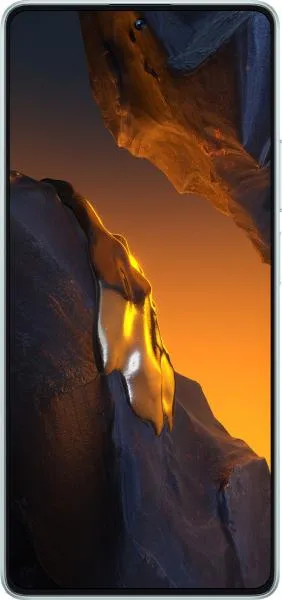
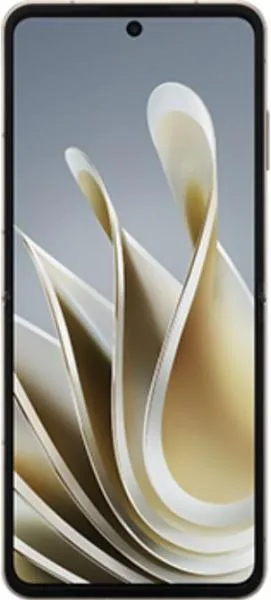
| Dimensions (mm) | 161.1 x 75 x 7.9 | 170 x 75.5 x 7 | Nubia Flip is taller and slightly thicker when folded, Poco F5 is a traditional slab design. |
| Weight (g) | 181 | 214 | Nubia Flip is noticeably heavier due to the folding mechanism. |
| Foldable | No | Yes | Nubia Flip offers a compact folded size for pocketability, but a larger screen when unfolded. |
| Display | |||
| Size (inches) | 6.67 | 6.9 | Nubia Flip offers a larger display area when unfolded. |
| Resolution (px) | 1080 x 2400 | 1188 x 2790 | Nubia Flip has a higher resolution, leading to sharper images and text. |
| Type | AMOLED | Foldable OLED | Both offer vibrant colors and deep blacks, but the Nubia Flip's folding screen introduces a potential crease. |
| Refresh Rate (Hz) | 120 | 120 | Both offer smooth scrolling and animations. |
| Color Depth | 68B | 1B | Nubia Flip boasts a wider color gamut potentially offering more accurate color reproduction. |
| HDR | Dolby Vision, HDR10+ | Poco F5 supports wider HDR standards for better video playback quality. Missing HDR specs for Nubia Flip limit comparison. | |
| Performance | |||
| Chipset | Snapdragon 7+ Gen 2 | Snapdragon 7 Gen 1 | Poco F5 features a newer, more powerful chipset, resulting in faster performance and better efficiency. |
| CPU | Octa-core (1x2.91 GHz X2 & 3x2.49 GHz A710 & 4x1.8 GHz A510) | Octa-core (1x2.4 GHz A710 & 3x2.36 GHz A710 & 4x1.8 GHz A510) | Poco F5's CPU has a higher clock speed on the performance core, translating to snappier performance in demanding tasks. |
| GPU | Adreno 725 | Adreno 644 | Poco F5 has a more powerful GPU, benefiting gaming and graphics-intensive applications. |
| RAM (GB) | 8/12 | 8/12 | Both offer configurations with ample RAM for multitasking. |
| Camera | |||
| Main Camera (MP) | 64 | 50 | Poco F5 has a higher resolution main sensor. |
| Other Cameras | 8MP ultrawide, 2MP macro | 2MP depth | Poco F5 offers a more versatile camera setup with an ultrawide lens. Missing detailed specs for Nubia Flip's camera limit thorough comparison. |
| Video Capabilities | 4K@30fps, 1080p@120fps with EIS | Missing Information | Poco F5's listed video capabilities are superior; however, the lack of information for the Nubia Flip prevents a complete analysis. |
| Battery | |||
| Capacity (mAh) | 5000 | 4310 | Poco F5 has a significantly larger battery, potentially offering longer usage time. |
2. Key Differences Analysis
Xiaomi Poco F5 Advantages:
- Superior Performance: The Snapdragon 7+ Gen 2 provides a significant performance advantage for demanding tasks and gaming.
- Larger Battery: The 5000mAh battery likely translates to longer battery life.
- More Versatile Camera System: The inclusion of an ultrawide lens offers greater flexibility in photography.
- Potentially Lower Price: While prices fluctuate, the Poco F5 generally sits at a more competitive price point.
ZTE nubia Flip Advantages:
- Foldable Design: Offers a unique form factor with a compact folded size and larger unfolded screen.
- Higher Resolution Display: Provides a sharper viewing experience.
- Wider Color Gamut: Potentially more accurate color representation.
Trade-offs:
- Nubia Flip: Foldable design adds weight and complexity, potential crease in the display, smaller battery. Performance is less powerful than the Poco F5. Lack of detailed camera and video specs make comparison difficult.
- Poco F5: Traditional slab design lacks the novelty of a foldable phone.
3. User Profiles & Recommendations
Xiaomi Poco F5: Ideal for users who prioritize performance, battery life, and camera versatility. Suitable for power users, gamers, and those who consume a lot of media. Excellent price-to-performance ratio.
ZTE nubia Flip: Best suited for users who value portability and a large screen when needed but are willing to compromise on performance and battery life. The unique form factor may appeal to those seeking a stylish and compact device.
4. Decision Framework
Key Questions for Buyers:
- How important is portability versus performance and battery life?
- Are you willing to pay a premium for the foldable form factor?
- What are your primary smartphone use cases (e.g., gaming, photography, media consumption)?
Scenario-Based Recommendations:
- Heavy gamer/Power User: Xiaomi Poco F5
- Style-conscious user prioritizing portability: ZTE nubia Flip
- User on a budget seeking all-around performance: Xiaomi Poco F5
My Choice: Xiaomi Poco F5
While the ZTE nubia Flip's foldable design is intriguing, the Xiaomi Poco F5's superior performance, larger battery, more versatile camera system, and potentially lower price make it a more compelling overall package for my needs. I prioritize a smooth user experience, long battery life, and good camera quality, which the Poco F5 delivers more convincingly based on the available specifications. The significant performance difference between the Snapdragon 7+ Gen 2 and the Snapdragon 7 Gen 1 is a deciding factor. The lack of comprehensive camera specifications for the Nubia Flip also makes it difficult to assess its true capabilities. Finally, the practicality and durability of a traditional slab phone design outweigh the novelty of a foldable for my personal usage.
