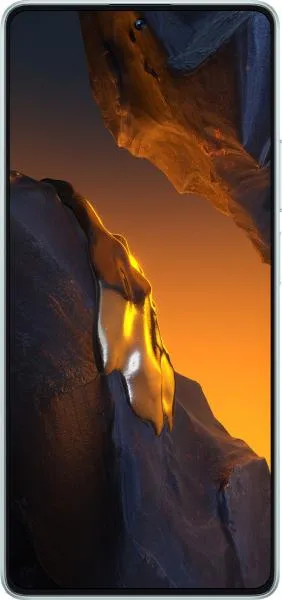
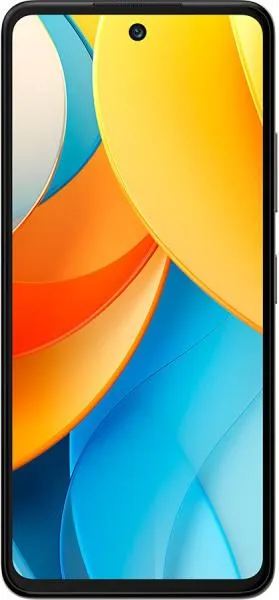
1. Specifications Comparison
| Feature | Xiaomi Poco F5 | ZTE Blade V60 Design | Practical Impact |
|---|---|---|---|
| Design | |||
| Dimensions (mm) | 161.1 x 75 x 7.9 | 164.2 x 75.3 x 8.6 | Poco F5 is slightly smaller and thinner. |
| Weight (g) | 181 | 198 | Poco F5 is noticeably lighter, more comfortable for extended use. |
| Build | Missing | Missing | Build quality and materials unknown, impacting durability and feel. |
| Display | |||
| Display Type | AMOLED | IPS LCD | Poco F5 offers richer colors, deeper blacks, and better power efficiency. |
| Display Size (inches) | 6.67 | 6.6 | Negligible size difference. |
| Resolution | 1080 x 2400 | 720 x 1612 | Poco F5 has a significantly sharper display, resulting in clearer text and images. |
| Refresh Rate (Hz) | 120 | 90 | Poco F5 provides smoother scrolling and animations. |
| HDR | HDR10+, Dolby Vision | None | Poco F5 supports HDR content, offering a wider dynamic range and more vibrant visuals in compatible media. |
| Performance | |||
| Chipset | Snapdragon 7+ Gen 2 (4nm) | Unisoc T606 (12nm) | Poco F5 boasts a vastly more powerful and efficient processor, enabling significantly faster performance and better multitasking. |
| CPU | Octa-core (1x2.91 GHz X2 & 3x2.49 GHz A710 & 4x1.8 GHz A510) | Octa-core (2x1.6 GHz A75 & 6x1.6 GHz A55) | Poco F5's CPU architecture provides a significant performance advantage in demanding tasks and gaming. |
| GPU | Adreno 725 | Mali-G57 MP1 | Poco F5 offers superior graphics performance for smoother gaming and faster rendering. |
| RAM | 8GB/12GB | 4GB/6GB | Poco F5 offers more RAM, enabling better multitasking and smoother performance with multiple apps. |
| Camera | |||
| Main Camera (MP) | 64 | 50 | While megapixels aren't everything, the Poco F5 likely captures more detail. Image quality depends on sensor and processing, which are partially unspecified for the ZTE. |
| Ultrawide | 8MP | Unspecified | Poco F5 offers ultrawide photography. ZTE's ultrawide capabilities are unclear. |
| Video Recording | 4K@30fps, 1080p@120fps | 1080p@30fps | Poco F5 offers higher resolution and slow-motion video recording capabilities. |
| Battery | |||
| Capacity (mAh) | 5000 | 5000 | Similar battery capacity; real-world battery life depends on optimization and usage. |
2. Key Differences Analysis
Xiaomi Poco F5 Advantages:
- Significantly better performance: The Snapdragon 7+ Gen 2 outclasses the Unisoc T606 in CPU and GPU performance, leading to a much smoother and faster user experience.
- Superior display: AMOLED with 120Hz refresh rate and HDR support offers vibrant colors, deep blacks, and smooth visuals.
- More versatile camera: Offers higher resolution, 4K video recording, and an ultrawide lens.
ZTE Blade V60 Design Advantages:
- Lower price: Significantly more affordable.
- Larger storage options: Offers 256GB storage even in the base model.
3. User Profiles & Recommendations
Xiaomi Poco F5: Users who prioritize performance, a high-quality display, and a versatile camera. Ideal for gaming, media consumption, and mobile photography.
ZTE Blade V60 Design: Budget-conscious users who primarily use their phones for basic tasks like calling, texting, browsing, and social media. Suitable for users who prioritize affordability and ample storage.
4. Decision Framework
Key Questions for Buyers:
- What is your budget? The ZTE is significantly cheaper.
- What are your primary phone usage patterns? Gaming and media consumption benefit greatly from the Poco F5's superior hardware.
- How important is display quality and camera performance? The Poco F5 significantly outperforms the ZTE in these areas.
Scenario-Based Recommendations:
- Gamer: Poco F5 is the clear choice due to its powerful processor and superior display.
- Budget-conscious user: ZTE Blade V60 Design offers acceptable performance for basic tasks at a lower price.
- Photographer/Videographer: Poco F5 provides better camera hardware and features.
My Choice: Xiaomi Poco F5
While the ZTE Blade V60 Design offers a budget-friendly option, the Xiaomi Poco F5 is the superior device overall. The significantly improved performance, higher quality display, and more versatile camera system provide a substantially better user experience. The price difference is justified by the substantial leap in capabilities. Even basic tasks will feel smoother and more responsive on the Poco F5 thanks to its powerful processor and high refresh rate display. The superior camera system and brighter, more colorful display also enhance the experience of capturing and viewing photos and videos. While I acknowledge the appeal of the ZTE's lower price, the performance and feature compromises are too significant for me to overlook.
