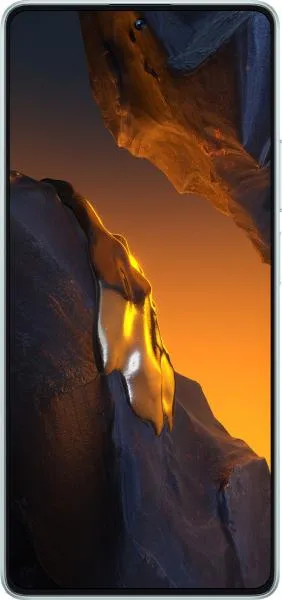

1. Specifications Comparison
| Feature | Xiaomi Poco F5 | Xiaomi Redmi Note 13 Pro+ | Practical Impact |
|---|---|---|---|
| Design | |||
| Dimensions (mm) | 161.1 x 75 x 7.9 | 161.4 x 74.2 x 8.9 | Redmi Note 13 Pro+ is slightly larger and thicker. |
| Weight (g) | 181 | 199 | Poco F5 is noticeably lighter, enhancing one-handed use. |
| Display | |||
| Size (inches) | 6.67 | 6.67 | Same screen size. |
| Resolution | 1080 x 2400 | 1220 x 2712 | Redmi Note 13 Pro+ has a sharper display with higher pixel density, resulting in crisper text and images. |
| Refresh Rate (Hz) | 120 | 120 | Both offer smooth scrolling and animations. |
| Peak Brightness (nits) | 1000 | 1800 | Redmi Note 13 Pro+ offers significantly higher peak brightness, improving outdoor visibility. |
| Performance | |||
| Chipset | Snapdragon 7+ Gen 2 | Dimensity 7200 Ultra | Both are powerful mid-range chipsets, but benchmarks suggest Snapdragon 7+ Gen 2 might have a slight edge in GPU performance. |
| CPU | Octa-core (1x2.91 GHz Cortex-X2 & 3x2.49 GHz Cortex-A710 & 4x1.8 GHz Cortex-A510) | Octa-core (2x2.8 GHz Cortex-A715 & 6x2.0 GHz Cortex-A510) | Different core configurations; real-world performance differences may vary depending on tasks. |
| RAM (GB) | 8/12 | 8/12/16 | Both offer ample RAM options for multitasking. |
| Camera | |||
| Main Camera (MP) | 64 | 200 | Redmi Note 13 Pro+ boasts a much higher resolution main sensor, potentially capturing more detail. |
| Ultrawide (MP) | 8 | 8 | Similar ultrawide cameras. |
| Selfie Camera (MP) | 16 | 16 | Similar selfie cameras. |
| Battery | |||
| Capacity (mAh) | 5000 | 5000 | Same battery capacity. Real-world battery life will depend on usage and optimization. |
2. Key Differences Analysis
Xiaomi Poco F5 Advantages:
- Lighter and more compact: Noticeably easier to handle and carry.
- Potentially better GPU Performance: Could offer a smoother gaming experience.
Xiaomi Redmi Note 13 Pro+ Advantages:
- Sharper Display: Higher resolution and pixel density for a more detailed visual experience.
- Significantly Brighter Display: Excellent outdoor visibility.
- Higher Resolution Main Camera: Potential for more detailed photos.
- More RAM Options: Availability of 16GB RAM for extreme multitasking.
3. User Profiles & Recommendations
Xiaomi Poco F5: Users prioritizing a lightweight and comfortable phone for everyday use, including moderate gaming and media consumption. Good value for its price.
Xiaomi Redmi Note 13 Pro+: Users who value a premium display experience, frequently use their phone outdoors, and prioritize camera quality. Those seeking high RAM capacity for demanding tasks.
4. Decision Framework
Key Questions for Buyers:
- How important is display quality and brightness?
- Do you prioritize a lightweight and compact design?
- What is your budget and how important is camera resolution?
Scenario-Based Recommendations:
- Outdoor Enthusiast: Redmi Note 13 Pro+ for its superior brightness and good camera.
- Gamer on a Budget: Poco F5 for its performance and lighter weight.
- Casual User: Either phone would be suitable, consider prioritizing price and desired features.
My Choice: Xiaomi Redmi Note 13 Pro+
While the Poco F5 offers a compelling lightweight design and potentially smoother gaming experience, the Redmi Note 13 Pro+'s superior display and camera make it the more appealing choice for me. The significantly higher peak brightness is crucial for comfortable outdoor use, and the 200MP main camera, while not guaranteeing better photos, offers greater flexibility for cropping and detail. The sharper display provides a more immersive visual experience overall. Although the Redmi Note 13 Pro+ is slightly heavier, the trade-off is worthwhile for the enhanced display and camera capabilities. The availability of a 16GB RAM option future-proofs the device for demanding users.
