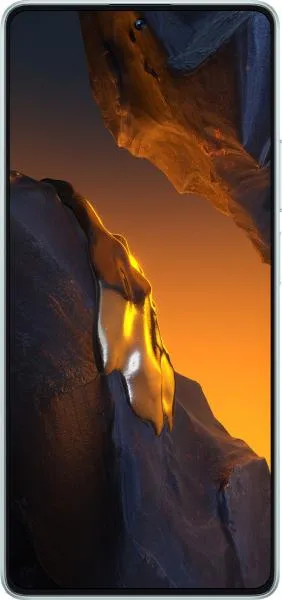
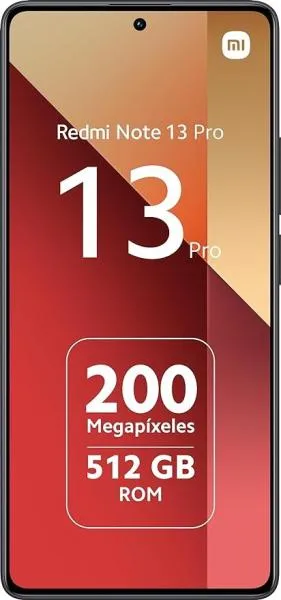
1. Specifications Comparison
| Feature | Xiaomi Poco F5 | Xiaomi Redmi Note 13 Pro 4G | Practical Impact |
|---|---|---|---|
| Design | |||
| Dimensions (mm) | 161.1 x 75 x 7.9 | 161.1 x 75 x 8 | Virtually identical dimensions |
| Weight (g) | 181 | 188 | Negligible weight difference in hand |
| Fingerprint Sensor | Side-mounted | Under-display | Preference-based; under-display feels more modern |
| Display | |||
| Size (inches) | 6.67 | 6.67 | Identical screen size |
| Resolution (px) | 1080 x 2400 | 1080 x 2400 | Same resolution, sharpness, and pixel density |
| Panel Type | AMOLED | AMOLED | Both offer vibrant colors and deep blacks |
| Refresh Rate (Hz) | 120 | 120 | Equally smooth scrolling and animations |
| Color Depth | 68B | 1B | Redmi Note 13 Pro offers a wider color gamut, resulting in more accurate and nuanced color reproduction for content creation and consumption. |
| HDR | Dolby Vision, HDR10+ | None specified | Poco F5 offers superior HDR support, resulting in better contrast and dynamic range in compatible content. |
| Peak Brightness (nits) | 1000 | 1300 | Redmi Note 13 Pro can get significantly brighter outdoors |
| Performance | |||
| Chipset | Snapdragon 7+ Gen 2 | MediaTek Helio G99 Ultra | Poco F5 significantly outperforms in CPU and GPU intensive tasks like gaming and video editing |
| CPU | Octa-core (1x2.91 GHz X2 & 3x2.49 GHz A710 & 4x1.8 GHz A510) | Octa-core (2x2.2 GHz A76 & 6x2.0 GHz A55) | Poco F5's more powerful and modern CPU architecture provides much faster and more efficient performance. |
| GPU | Adreno 725 | Mali-G57 MC2 | Poco F5 offers a considerably more powerful GPU, translating to smoother gaming and faster graphics rendering. |
| RAM (GB) | 8/12 | 8/12 | Both offer ample RAM for multitasking |
| Camera | |||
| Main Camera (MP) | 64 | 200 | Redmi Note 13 Pro boasts higher resolution, potentially capturing more detail; real-world performance depends on sensor and processing |
| Ultrawide (MP) | 8 | 8 | Similar ultrawide capabilities |
| Video Recording | Up to 4K@30fps with EIS | Up to 1080p@60fps | Poco F5 offers higher resolution video recording and potentially better stabilization (EIS at 4K) |
| Battery | |||
| Capacity (mAh) | 5000 | 5000 | Identical battery capacity, expected similar longevity depending on usage |
| OS & Software | Android 13 | Android 13 | Both run on Android 13; Redmi Note 13 Pro has longer stated support up to Android 16 |
2. Key Differences Analysis
Xiaomi Poco F5 Advantages:
- Significantly superior performance: The Snapdragon 7+ Gen 2 offers a major advantage in processing power and graphics rendering, resulting in a smoother and faster user experience, especially for demanding tasks like gaming and video editing.
- Better video recording capabilities: 4K recording with EIS offers higher quality videos.
- Superior HDR support: Provides a richer viewing experience for compatible content.
Xiaomi Redmi Note 13 Pro 4G Advantages:
- Higher resolution main camera: 200MP sensor potentially captures more detail.
- Brighter display: Better visibility in direct sunlight.
- Longer software support: Promised updates up to Android 16, ensuring security and feature updates for a longer period.
- Potentially Lower Price: Depending on configuration, the Redmi Note 13 Pro 4G may offer a lower entry price.
3. User Profiles & Recommendations
Xiaomi Poco F5: Ideal for users who prioritize performance, smooth gaming, and high-quality video recording. Power users, mobile gamers, and content creators would benefit most.
Xiaomi Redmi Note 13 Pro 4G: Suitable for users who prioritize a bright display, a high-resolution camera, and long-term software updates. Casual users, social media enthusiasts, and budget-conscious buyers might prefer this option. The lack of 4K video recording is a significant drawback for content creators.
4. Decision Framework
Key Questions for Buyers:
- What is your budget? Compare prices for specific storage configurations.
- What are your primary use cases? Gaming, photography, general use?
- How important is long-term software support?
My Choice: Xiaomi Poco F5
While the Redmi Note 13 Pro 4G boasts a higher resolution main camera and a brighter display, the Xiaomi Poco F5's significantly superior performance due to the Snapdragon 7+ Gen 2 is the deciding factor for me. As someone who values a smooth and responsive user experience for everyday tasks and occasional gaming, the performance difference would be noticeable and impactful. The Poco F5 also offers better video recording capabilities, which is important to me. The trade-off of potentially slightly lower camera detail and peak brightness on the Poco F5 is acceptable considering the significant performance gains. While longer software support is desirable, the performance advantage of the Poco F5 outweighs this benefit for my personal use case.
