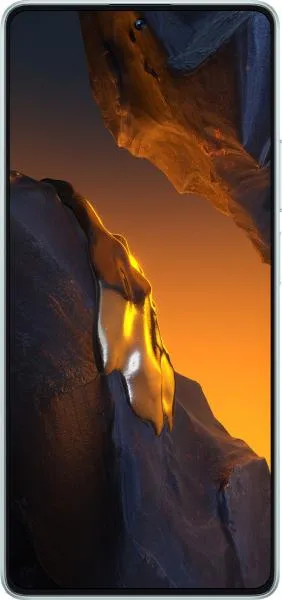
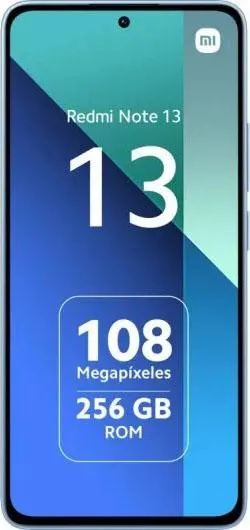
1. Specifications Comparison
| Feature | Xiaomi Poco F5 | Xiaomi Redmi Note 13 4G | Practical Impact |
|---|---|---|---|
| Design | |||
| Dimensions (mm) | 161.1 x 75 x 7.9 | 162.3 x 75.6 x 8 | Poco F5 is slightly smaller and thinner. Negligible difference in hand feel. |
| Weight (g) | 181 | 188.5 | Poco F5 is slightly lighter. Negligible difference in hand feel. |
| Fingerprint Sensor | Side-mounted | Under-display | Preference-based. Side-mounted often faster, under-display more aesthetically integrated. |
| Display | |||
| Size (inches) | 6.67 | 6.67 | Identical screen size. |
| Resolution (pixels) | 1080 x 2400 | 1080 x 2400 | Identical resolution and sharpness. |
| Type | AMOLED | AMOLED | Both offer vibrant colors and deep blacks. |
| Refresh Rate (Hz) | 120 | 120 | Equally smooth scrolling and animations. |
| Peak Brightness (nits) | 1000 | 1800 | Redmi Note 13 significantly brighter outdoors. |
| HDR | Dolby Vision, HDR10+ | Unspecified | Poco F5 supports wider HDR formats for better video playback quality. |
| Performance | |||
| Chipset | Snapdragon 7+ Gen 2 (4 nm) | Snapdragon 685 (6 nm) | Poco F5 significantly more powerful for demanding tasks and gaming. |
| CPU | Octa-core (1x2.91 GHz X2 & 3x2.49 GHz A710 & 4x1.8 GHz A510) | Octa-core (4x2.8 GHz A73 & 4x1.9 GHz A53) | Poco F5's newer CPU architecture offers significant performance and efficiency advantages. |
| GPU | Adreno 725 | Adreno 610 | Poco F5 offers much better graphics performance for gaming. |
| RAM (GB) | 8/12 | 6/8 | More RAM in some Poco F5 variants enables better multitasking. |
| Camera | |||
| Main Camera (MP) | 64 | 108 | Redmi Note 13 has higher resolution, but image quality depends on sensor and processing. |
| Ultrawide (MP) | 8 | 8 | Similar ultrawide capabilities. |
| Video Recording | 4K@30fps, 1080p@120fps | 1080p@30fps | Poco F5 offers significantly better video resolution and slow-motion capabilities. |
| Battery | |||
| Capacity (mAh) | 5000 | 5000 | Identical battery capacity. Real-world battery life depends on usage and optimization. |
2. Key Differences Analysis
Xiaomi Poco F5 Advantages:
- Significantly higher performance: The Snapdragon 7+ Gen 2 provides a substantial advantage in processing power and graphics rendering, resulting in smoother gaming, faster app loading, and better multitasking.
- Superior video recording: 4K resolution and 120fps slow-motion recording offer significantly better video quality and creative options compared to the Redmi Note 13's 1080p@30fps.
- Wider HDR support: Dolby Vision and HDR10+ ensure a better viewing experience for compatible content.
Xiaomi Redmi Note 13 4G Advantages:
- Brighter display: The 1800 nits peak brightness ensures excellent outdoor visibility.
- Potentially lower price: Depending on the specific variant and retailer, the Redmi Note 13 might offer a more budget-friendly option.
- Longer software support: Redmi Note 13 has potential for longer software updates (up to Android 16).
3. User Profiles & Recommendations
Xiaomi Poco F5: Ideal for users who prioritize performance, enjoy mobile gaming, demand high-quality video recording, and appreciate a smooth user experience. Use cases: Demanding games, video editing, content creation.
Xiaomi Redmi Note 13 4G: Suitable for users who prioritize a bright display for outdoor use, primarily use their phone for everyday tasks like browsing, social media, and casual photography, and are on a tighter budget. Use cases: Casual browsing, social media, basic photography.
4. Decision Framework
Key Questions for Buyers:
- What is your budget? The Redmi Note 13 is generally more affordable.
- What are your primary phone usage patterns? Gamers and power users will benefit from the Poco F5's performance.
- How important is outdoor visibility? The Redmi Note 13's brighter display excels in sunlight.
Scenario-Based Recommendations:
- Heavy gamer: Poco F5
- Outdoor enthusiast: Redmi Note 13 4G
- Budget-conscious social media user: Redmi Note 13 4G
- Content creator: Poco F5
My Choice: Xiaomi Poco F5
While the Redmi Note 13 4G offers a brighter display and potentially lower price, the Poco F5's superior performance, significantly better video recording capabilities, and broader HDR support make it the more compelling choice for me. I prioritize a smooth and responsive user experience for demanding tasks and appreciate having the option for high-quality video recording. The difference in chipset generations between the two phones represents a significant leap in performance and future-proofing. While the Redmi Note 13's brighter screen is appealing, I find the overall performance advantage of the Poco F5 more significant for my needs.
