1. Specifications Comparison
| Feature | Xiaomi Poco F5 | Xiaomi Redmi Note 13 | Practical Impact |
|---|---|---|---|
| Design | |||
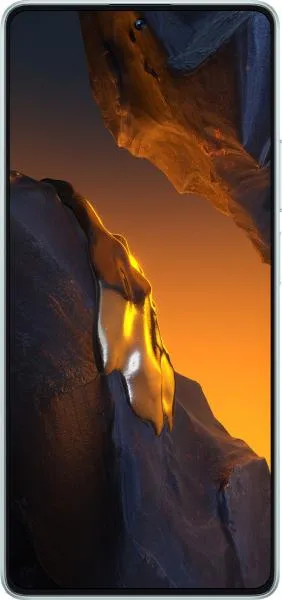
| Dimensions (mm) | 161.1 x 75 x 7.9 | 161.1 x 75 x 7.6 | Virtually identical dimensions; negligible real-world difference in handling. |
| Weight (g) | 181 | 174.5 | Redmi Note 13 is slightly lighter, potentially more comfortable for extended use. |
| Display | |||
| Size (inches) | 6.67 | 6.67 | Same screen size. |
| Resolution (px) | 1080 x 2400 | 1080 x 2400 | Identical resolution; sharpness and detail will be similar. |
| Panel Type | AMOLED | AMOLED | Both offer vibrant colors and deep blacks. |
| Refresh Rate (Hz) | 120 | 120 | Both provide smooth scrolling and animations. |
| Color Depth | 68B | 1B | Poco F5's 68B color depth offers a wider range of colors and smoother color gradients compared to Redmi Note 13's 1B. |
| HDR | Dolby Vision, HDR10+ | None specified | Poco F5 supports HDR standards, resulting in better dynamic range and more vibrant visuals in compatible content. |
| Peak Brightness (nits) | 1000 | 1000 | Similar peak brightness; outdoor visibility should be comparable. |
| Performance | |||
| Chipset | Snapdragon 7+ Gen 2 (4nm) | Dimensity 6080 (6nm) | Poco F5 boasts a significantly more powerful processor, leading to smoother multitasking, faster app loading, and better gaming performance. |
| CPU | Octa-core (1x2.91 GHz X2 & 3x2.49 GHz A710 & 4x1.8 GHz A510) | Octa-core (2x2.4 GHz A76 & 6x2.0 GHz A55) | Poco F5's CPU architecture is more modern and powerful. |
| GPU | Adreno 725 | Mali-G57 MC2 | Poco F5's GPU offers significantly better graphics performance for demanding games and applications. |
| RAM (GB) | 8/12 | 6/8/12 | Both offer ample RAM; 12GB option provides headroom for future-proofing. |
| Camera | |||
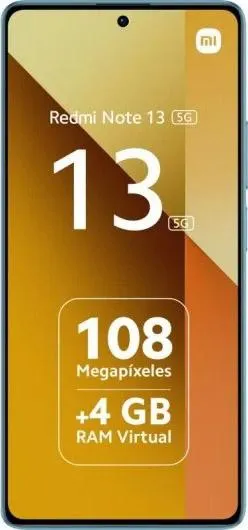
| Main Camera (MP) | 64 | 108 | Redmi Note 13 boasts higher resolution; however, image quality depends on sensor size, processing, and other factors, not just megapixels. |
| Video Recording | Up to 4K@30fps with EIS | Up to 1080p@30fps | Poco F5 offers higher resolution video recording and Electronic Image Stabilization (EIS) at 4K, resulting in smoother and more stable videos. |
| Battery | |||
| Capacity (mAh) | 5000 | 5000 | Identical battery capacity. Real-world battery life will depend on usage patterns and software optimization. |
2. Key Differences Analysis
Xiaomi Poco F5 Advantages:
- Significantly superior performance: The Snapdragon 7+ Gen 2 outperforms the Dimensity 6080 in processing power and graphics capabilities, leading to a smoother and faster user experience overall.
- Better display quality: Wider color gamut and HDR support deliver a more visually appealing experience.
- Higher resolution video recording with EIS: 4K@30fps recording with EIS allows for capturing higher quality videos.
Xiaomi Redmi Note 13 Advantages:
- Lower price: Positions itself as a more budget-friendly option.
- Slightly lighter: Minor weight difference might improve comfort for some users.
- Higher resolution main camera: Offers a 108MP main camera, potentially capturing more detail. (Note: Image quality is not solely determined by megapixels)
- Longer Software Support: Redmi Note 13 has a longer period of promised OS updates.
3. User Profiles & Recommendations
Xiaomi Poco F5: Users who prioritize performance, gaming, content consumption with vibrant visuals, and smoother overall experience.
Xiaomi Redmi Note 13: Budget-conscious users who prioritize affordability over top-tier performance and are primarily interested in basic smartphone functionalities. Photography enthusiasts might be drawn to the 108MP camera, but should research image quality comparisons before deciding.
4. Decision Framework
Key Questions for Buyers:
- What is your budget? The Redmi Note 13 is significantly more affordable.
- What are your primary smartphone usage patterns? For demanding tasks like gaming or content creation, the Poco F5's superior performance is crucial.
- How important is display and camera quality to you? The Poco F5 has a clear advantage in display quality, while the Redmi Note 13 boasts a higher resolution main camera (though real-world image quality needs further investigation).
My Choice: Xiaomi Poco F5
While the Redmi Note 13 offers a tempting price, the Poco F5's significantly superior performance, better display, and more versatile camera features make it the better overall choice for me. The Snapdragon 7+ Gen 2 provides a noticeable difference in daily use, ensuring a smooth and responsive experience for years to come. The investment in the more powerful processor is worthwhile for the longevity and overall user experience. The superior display is also a deciding factor for media consumption. The price difference is justifiable for the significant performance leap. While the Redmi Note 13 might be sufficient for basic tasks, I value a smooth and future-proof experience, making the Poco F5 the preferred option.
