
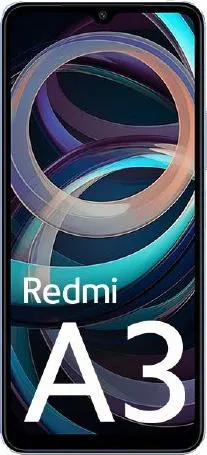
1. Specifications Comparison
| Feature | Xiaomi Poco F5 | Xiaomi Redmi A3 | Practical Impact |
|---|---|---|---|
| Design | |||
| Dimensions (mm) | 161.1 x 75 x 7.9 | 168.3 x 76.3 x 8.3 | Poco F5 is slightly smaller and thinner, making it potentially more pocketable. |
| Weight (g) | 181 | 193 | Poco F5 is noticeably lighter, improving one-handed use. |
| Display | |||
| Display Type | AMOLED | IPS LCD | Poco F5's AMOLED offers deeper blacks, more vibrant colors, and better power efficiency in dark mode. |
| Display Size (inches) | 6.67 | 6.71 | Negligible size difference. |
| Resolution | 1080 x 2400 | 720 x 1650 | Poco F5 has a significantly sharper display, resulting in clearer text and images. |
| Refresh Rate (Hz) | 120 | 90 | Poco F5's 120Hz display provides smoother animations and scrolling. |
| Performance | |||
| Chipset | Snapdragon 7+ Gen 2 (4nm) | Helio G36 (12nm) | Poco F5 offers vastly superior performance in demanding tasks like gaming and multitasking due to a much more powerful processor. |
| CPU | Octa-core (up to 2.91 GHz) | Octa-core (up to 2.2 GHz) | Poco F5's CPU has faster clock speeds and a more powerful architecture, translating to significantly better performance. |
| GPU | Adreno 725 | PowerVR GE8320 | Poco F5's GPU is considerably more capable for gaming and graphics-intensive applications. |
| RAM | 8GB/12GB | 3GB/4GB/6GB | Poco F5 offers more RAM, enabling better multitasking and smoother performance with multiple apps open. |
| Camera | |||
| Main Camera (MP) | 64 | 8 | Poco F5 boasts a much higher resolution main camera, likely capturing more detailed photos. |
| Additional Cameras | Wide-angle, Macro | 0.3MP (unknown purpose), Selfie | Poco F5 offers more versatile camera options. The purpose of Redmi A3's 0.3MP camera is unclear. |
| Video Recording | Up to 4K @ 30fps | Up to 1080p @ 30fps | Poco F5 supports higher resolution video recording. |
| Battery | |||
| Capacity (mAh) | 5000 | 5000 | Similar battery capacities, but real-world battery life will depend on software optimization and display efficiency. |
2. Key Differences Analysis
Xiaomi Poco F5 Advantages:
- Significantly better performance: The Snapdragon 7+ Gen 2 outclasses the Helio G36 in every aspect.
- Superior display: AMOLED with higher resolution and refresh rate.
- More versatile camera system: Higher resolution main camera and additional lenses.
- More premium design: Lighter and slightly smaller.
Xiaomi Redmi A3 Advantages:
- Lower price: Significantly more affordable.
3. User Profiles & Recommendations
Xiaomi Poco F5: Users who prioritize performance, a high-quality display, and a versatile camera. Ideal for gaming, content creation, and multitasking.
Xiaomi Redmi A3: Budget-conscious users who primarily use their phone for basic tasks like calling, texting, and browsing. Not recommended for demanding applications or heavy multitasking.
4. Decision Framework
Key Questions for Buyers:
- What is your budget? The Redmi A3 is significantly cheaper.
- What do you primarily use your phone for? The Poco F5 excels in demanding tasks, while the Redmi A3 is sufficient for basic use.
- How important is display and camera quality? The Poco F5 offers a substantially better experience in these areas.
Scenario-Based Recommendations:
- Gamer: Poco F5
- Photographer/Videographer: Poco F5
- Casual User on a Budget: Redmi A3
My Choice: Xiaomi Poco F5
While the Redmi A3 is much cheaper, the Poco F5 offers a vastly superior user experience in almost every aspect. The performance difference alone is significant enough to justify the higher price for most users. The superior display, more versatile camera, and more premium design further solidify the Poco F5 as the better choice. The Redmi A3 is only recommended for extremely budget-conscious users who prioritize affordability above all else and have very basic usage needs. The performance and display compromises on the Redmi A3 would likely lead to frustration in the long run.
