1. Specifications Comparison
| Feature | Xiaomi Poco F5 | Xiaomi Redmi 14C | Practical Impact |
|---|---|---|---|
| Design | |||
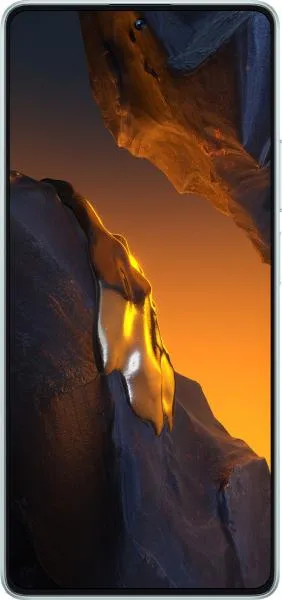
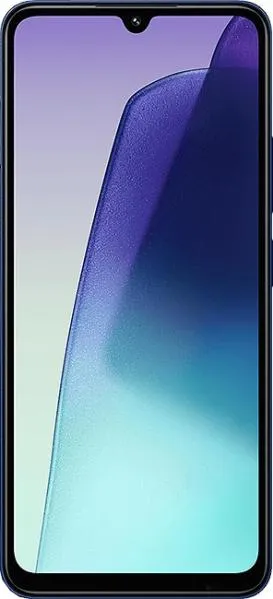
| Dimensions (mm) | 161.1 x 75 x 7.9 | 171.9 x 77.8 x 8.2 | Redmi 14C is noticeably larger and heavier. Poco F5 is more pocketable and comfortable for one-handed use. |
| Weight (g) | 181 | 211 | Redmi 14C's weight might cause fatigue during extended use. |
| Display | |||
| Display Type | AMOLED | IPS LCD | Poco F5 offers deeper blacks, more vibrant colors, and better power efficiency due to AMOLED technology. Redmi 14C's LCD might appear washed out in direct sunlight. |
| Size (inches) | 6.67 | 6.88 | Redmi 14C has a slightly larger screen, providing more screen real estate for media consumption. |
| Resolution | 1080 x 2400 | 720 x 1640 | Poco F5 boasts significantly sharper visuals due to higher resolution. Redmi 14C's lower resolution results in pixelation and less detail. |
| Refresh Rate (Hz) | 120 | 120 | Both offer smooth scrolling and animations. |
| HDR | HDR10+, Dolby Vision | None | Poco F5 supports HDR content, resulting in a wider dynamic range and more realistic colors in compatible videos. |
| Performance | |||
| Chipset | Snapdragon 7+ Gen 2 | Helio G81 Ultra | Poco F5 offers significantly better performance in demanding tasks like gaming and multitasking due to a more powerful chipset and superior CPU architecture. |
| CPU | Octa-core (up to 2.91 GHz) | Octa-core (up to 2.0 GHz) | Poco F5's higher clock speeds and more powerful cores translate to faster app loading, smoother performance, and better responsiveness. |
| GPU | Adreno 725 | Mali-G52 MC2 | Poco F5's GPU provides a much better gaming experience with higher frame rates and better graphics rendering. |
| RAM | 8GB/12GB | 4GB/6GB/8GB | Poco F5 offers more RAM options, enabling better multitasking and smoother performance with memory-intensive applications. |
| Camera | |||
| Main Camera | 64MP (Omnivision OV64B) | 50MP | While Redmi 14C boasts a high megapixel count, the Poco F5's sensor and overall camera system are likely superior due to the Snapdragon 7+ Gen 2's image processing capabilities. |
| Video Recording | 4K@30fps, EIS | 1080p@30fps | Poco F5 offers higher resolution video recording and Electronic Image Stabilization (EIS) for smoother footage. |
| Battery | |||
| Capacity (mAh) | 5000 | 5160 | Redmi 14C has a slightly larger battery, potentially offering slightly longer battery life. However, real-world battery life depends heavily on usage patterns and optimization. |
2. Key Differences Analysis
Poco F5 Advantages:
- Superior Performance: Significantly faster processor, GPU, and more RAM options.
- Better Display: AMOLED technology, higher resolution, HDR support.
- More Advanced Camera System: Likely better image quality and video recording capabilities.
- More Compact Design: Easier to handle and carry.
Redmi 14C Advantages:
- Slightly Larger Battery: Potentially longer battery life.
- Lower Price: More budget-friendly option.
- Larger Display: More screen real estate for media consumption (though lower resolution).
3. User Profiles & Recommendations
Poco F5: Users who prioritize performance, display quality, and camera capabilities. Ideal for gaming, media consumption, and demanding tasks.
Redmi 14C: Users on a tight budget who prioritize basic functionality and long battery life. Suitable for light usage, social media, and browsing.
4. Decision Framework
Key Questions:
- What is your budget? The Redmi 14C is significantly cheaper.
- What are your primary use cases? Gaming and demanding tasks favor the Poco F5, while basic usage favors the Redmi 14C.
- Which features do you value most? Prioritize performance and display? Choose Poco F5. Prioritize battery life and affordability? Choose Redmi 14C.
My Choice: Xiaomi Poco F5
While the Redmi 14C is more affordable, the Poco F5 offers a significantly better overall user experience. The superior performance, higher quality display, and more advanced camera system outweigh the slightly smaller battery and higher price. The difference in chipset and display technology alone makes the Poco F5 a much more future-proof device. For me, the smoother performance and significantly better visual experience are crucial. While the Redmi 14C might be suitable for very basic usage on a tight budget, the Poco F5 provides a substantial upgrade in key areas that greatly enhance daily use.
