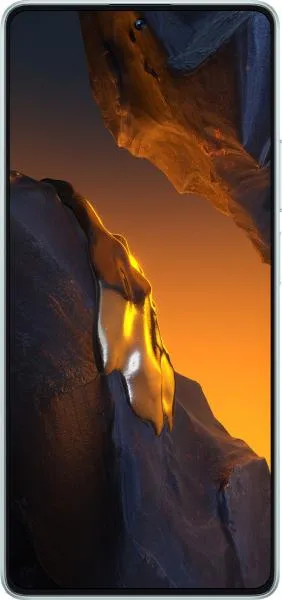
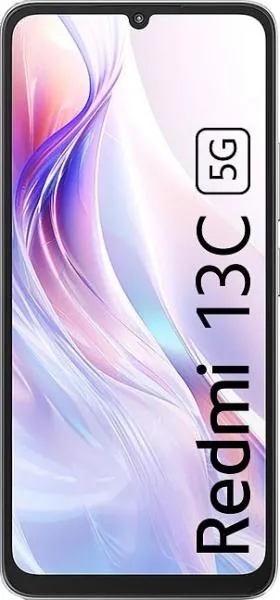
1. Specifications Comparison
| Feature | Xiaomi Poco F5 | Xiaomi Redmi 13C 5G | Practical Impact |
|---|---|---|---|
| Design | |||
| Dimensions (mm) | 161.1 x 75 x 7.9 | 168 x 78 x 8.1 | Poco F5 is more compact and potentially easier to handle. |
| Weight (g) | 181 | 192 | Poco F5 is noticeably lighter. |
| Build Material | Missing | Missing | Cannot compare build quality and durability. |
| Display | |||
| Display Type | AMOLED | IPS LCD | Poco F5 offers deeper blacks, more vibrant colors, and better power efficiency. |
| Display Size (inches) | 6.67 | 6.74 | Redmi 13C has a slightly larger screen. |
| Resolution | 1080 x 2400 | 720 x 1600 | Poco F5 has significantly sharper visuals due to higher resolution. |
| Refresh Rate (Hz) | 120 | 90 | Poco F5 provides smoother scrolling and animations. |
| Peak Brightness (nits) | 1000 | 600 | Poco F5 offers better visibility in bright sunlight. |
| Performance | |||
| Chipset | Snapdragon 7+ Gen 2 | Dimensity 6100+ | Poco F5 boasts significantly better CPU and GPU performance, leading to smoother multitasking and gaming. |
| CPU | Octa-core (1x2.91 GHz X2 & 3x2.49 GHz A710 & 4x1.8 GHz A510) | Octa-core (2x2.2 GHz A76 & 6x2.0 GHz A55) | Poco F5's more modern CPU architecture provides superior performance. |
| RAM | 8GB/12GB | 4GB/6GB/8GB | Poco F5 offers more RAM options, improving multitasking capabilities. |
| Camera | |||
| Main Camera (MP) | 64 | 50 | Poco F5's higher resolution main camera potentially captures more detail. |
| Ultrawide (MP) | 8 | Missing | Poco F5 offers an ultrawide lens for wider shots, Redmi 13C lacks this feature. |
| Video Recording | 4K@30fps | 1080p@30fps | Poco F5 allows for higher resolution video recording. |
| Battery | |||
| Capacity (mAh) | 5000 | 5000 | Similar battery capacities suggest comparable battery life, though real-world usage may vary due to other factors. |
| Charging Speed | Missing | Missing | Cannot compare charging speeds. |
2. Key Differences Analysis
Poco F5 Advantages:
- Superior Performance: The Snapdragon 7+ Gen 2 significantly outperforms the Dimensity 6100+, resulting in a smoother user experience, especially for demanding tasks and gaming.
- Better Display: The AMOLED display with 120Hz refresh rate provides richer colors, deeper blacks, and smoother animations compared to the Redmi 13C's IPS LCD with 90Hz.
- More Versatile Camera: The inclusion of an ultrawide lens and 4K video recording makes the Poco F5's camera system more versatile.
Redmi 13C 5G Advantages:
- Potentially Lower Price: Given the lower specifications, the Redmi 13C 5G is likely more affordable.
- Slightly Larger Display: While lower resolution, the Redmi 13C 5G offers a marginally larger screen size, which might appeal to some users.
3. User Profiles & Recommendations
Poco F5: Users who prioritize performance, a high-quality display, and a versatile camera. Suitable for gamers, power users, and content creators.
Redmi 13C 5G: Budget-conscious users who prioritize basic functionality and connectivity over high-end features. Suitable for casual users primarily focused on communication, social media, and light web browsing.
4. Decision Framework
Key Questions for Buyers:
- What is your budget? The Poco F5 is positioned in a higher price bracket.
- What are your primary smartphone usage patterns? Gaming, content creation, or casual usage?
- Which features do you value most? Performance, display quality, camera versatility, or affordability?
My Choice: Xiaomi Poco F5
The Poco F5 offers a significantly superior user experience due to its much more powerful processor, stunning AMOLED display with 120Hz, and more versatile camera system. While the Redmi 13C 5G might be more budget-friendly, the performance and display differences are substantial enough to justify the higher price of the Poco F5 for most users who want a smooth and enjoyable smartphone experience. The lack of specific details on charging speed and build materials prevents a completely comprehensive comparison, but the available information clearly points to the Poco F5 as the better overall device.
