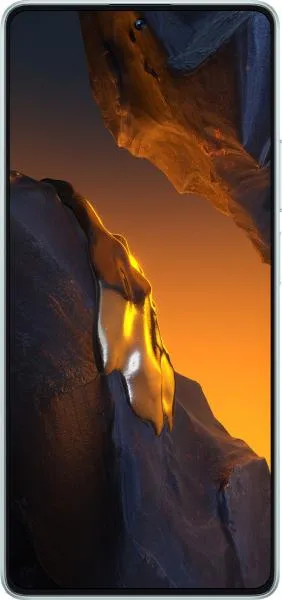

1. Specifications Comparison
| Feature | Xiaomi Poco F5 | Xiaomi Redmi 13C | Practical Impact |
|---|---|---|---|
| Design | |||
| Dimensions (mm) | 161.1 x 75 x 7.9 | 168 x 78 x 8.1 | Poco F5 is noticeably smaller and thinner, making it more pocketable and easier to handle. |
| Weight (g) | 181 | 192 | Poco F5 is lighter, reducing hand fatigue during extended use. |
| Display | |||
| Display Type | AMOLED | IPS LCD | Poco F5's AMOLED offers deeper blacks, more vibrant colors, and better power efficiency. |
| Display Size (inches) | 6.67 | 6.74 | Redmi 13C has a slightly larger screen, but the difference is negligible. |
| Resolution | 1080 x 2400 | 720 x 1600 | Poco F5 has a significantly sharper display, resulting in clearer text and images. Redmi 13C's lower resolution will be noticeable in everyday use. |
| Refresh Rate (Hz) | 120 | 90 | Poco F5's higher refresh rate provides smoother scrolling and animations, leading to a more fluid user experience. |
| Performance | |||
| Chipset | Snapdragon 7+ Gen 2 | Helio G85 | Poco F5 offers significantly better CPU and GPU performance, enabling smoother multitasking, faster app loading, and better gaming performance. |
| CPU | Octa-core (1x2.91 GHz Cortex-X2 & 3x2.49 GHz Cortex-A710 & 4x1.8 GHz Cortex-A510) | Octa-core (2x2.0 GHz Cortex-A75 & 6x1.8 GHz Cortex-A55) | Poco F5's more modern and powerful CPU architecture provides a substantial performance advantage. |
| RAM (GB) | 8/12 | 4/6/8 | More RAM in certain Poco F5 variants allows for better multitasking and smoother performance with demanding applications. |
| Camera | |||
| Main Camera (MP) | 64 | 50 | While megapixels aren't everything, the Poco F5's main camera likely offers better detail and low-light performance, particularly considering the superior processing power of the Snapdragon chipset. |
| Video Recording | Up to 4K@30fps with EIS | 1080p@30fps | Poco F5 supports higher resolution video recording and features Electronic Image Stabilization (EIS) for smoother footage. |
| Battery | |||
| Capacity (mAh) | 5000 | 5000 | Both phones have the same battery capacity, but the Poco F5's AMOLED display and more efficient processor likely result in better battery life. |
2. Key Differences Analysis
Xiaomi Poco F5 Advantages:
- Significantly better performance: The Snapdragon 7+ Gen 2 chipset provides a substantial advantage in speed and responsiveness for demanding tasks and gaming.
- Superior display: The AMOLED display offers richer colors, deeper blacks, and a higher refresh rate for a smoother and more visually appealing experience.
- More compact design: Smaller dimensions and lighter weight make it more comfortable for one-handed use and portability.
Xiaomi Redmi 13C Advantages:
- Lower price: Significantly more affordable, making it accessible to budget-conscious buyers.
- Larger display: While resolution is lower, some users may prefer the larger screen size for media consumption.
Trade-offs:
- Performance vs. Price: The Redmi 13C sacrifices performance for affordability.
- Display Quality vs. Price: The Redmi 13C's IPS LCD panel offers a less impressive visual experience compared to the Poco F5's AMOLED.
3. User Profiles & Recommendations
Xiaomi Poco F5: Ideal for users who prioritize performance, a smooth and vibrant display, and a premium feel. Suitable for demanding tasks like gaming, content creation, and multitasking.
Xiaomi Redmi 13C: Best suited for budget-conscious users who primarily use their phones for basic tasks like calling, texting, browsing, and social media. Acceptable for casual gaming and media consumption but may struggle with more demanding applications.
4. Decision Framework
Key Questions for Buyers:
- What is your budget? The Redmi 13C is significantly cheaper.
- What are your primary phone usage patterns? For demanding tasks, the Poco F5 is necessary. For basic use, the Redmi 13C may suffice.
- How important is display quality and performance? The Poco F5 significantly outperforms the Redmi 13C in these areas.
Scenario-Based Recommendations:
- Gamer: Poco F5 for its superior performance and smoother display.
- Budget-conscious student: Redmi 13C for its affordability and basic functionality.
- Content creator: Poco F5 for its powerful processor and higher resolution display.
My Choice: Xiaomi Poco F5
While the Redmi 13C offers excellent value for its price, the Poco F5's superior performance, vibrant AMOLED display, and smoother 120Hz refresh rate are compelling advantages for a slightly higher cost. The significant difference in processing power and display quality would greatly enhance my daily user experience. I prioritize a fluid and responsive phone for multitasking, media consumption, and occasional gaming, making the Poco F5 the clear winner for me. The more compact form factor is also a plus.
