1. Specifications Comparison
| Feature | Xiaomi Poco F5 | Xiaomi Redmi 13 | Practical Impact |
|---|---|---|---|
| Design | |||
| Dimensions (mm) | 161.1 x 75 x 7.9 | 168.6 x 76.3 x 8.3 | Redmi 13 is noticeably larger and heavier. Poco F5 is more pocketable. |
| Weight (g) | 181 | 205 | Redmi 13's extra weight might be noticeable during extended use. |
| Build | Not specified | Not specified | Build quality impacts durability and premium feel. Lack of information limits comparison. |
| Display | |||
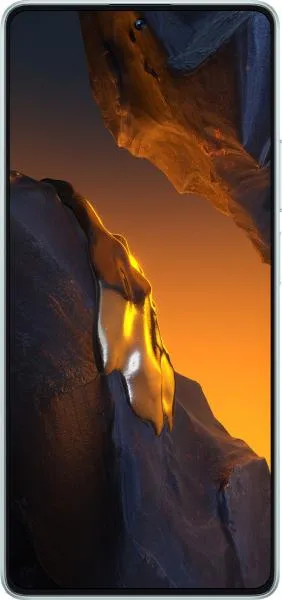
| Display Type | AMOLED | IPS LCD | Poco F5 offers deeper blacks, more vibrant colors, and better power efficiency due to AMOLED technology. |
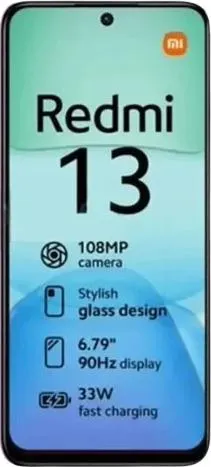
| Display Size (inches) | 6.67 | 6.79 | Redmi 13 has a slightly larger screen, providing a more immersive experience for media consumption. |
| Resolution | 1080 x 2400 | 1080 x 2460 | Negligible difference in sharpness due to similar pixel density. |
| Refresh Rate (Hz) | 120 | 90 | Poco F5's 120Hz refresh rate delivers smoother scrolling and animations compared to Redmi 13's 90Hz. |
| HDR | HDR10+, Dolby Vision | None specified | Poco F5 supports HDR content, resulting in a wider dynamic range and better visual quality in supported videos. |
| Performance | |||
| Chipset | Snapdragon 7+ Gen 2 | MediaTek Helio G91 Ultra | Poco F5's Snapdragon chip offers significantly better performance in demanding tasks and gaming due to its superior architecture and manufacturing process (4nm vs 12nm). |
| CPU | Octa-core (1x2.91 GHz X2 & 3x2.49 GHz A710 & 4x1.8 GHz A510) | Octa-core (2x2.0 GHz A75 & 6x1.8 GHz A55) | Poco F5 boasts a more powerful and efficient CPU configuration. |
| GPU | Adreno 725 | Mali-G52 MC2 | Poco F5's GPU delivers a substantial gaming performance advantage. |
| RAM | 8GB/12GB | 6GB/8GB | More RAM in some Poco F5 variants allows for smoother multitasking and better performance with multiple apps. |
| Camera | |||
| Main Camera | 64MP (Omnivision OV64B) | 108MP (ISOCELL) | While Redmi 13 boasts higher resolution, sensor size and other factors influence overall image quality, which cannot be fully assessed without further details. |
| Ultrawide | 8MP | Not specified | Poco F5 offers ultrawide photography, providing a wider field of view. |
| Video Recording | 4K@30fps with EIS | 1080p@30fps | Poco F5 supports higher resolution video recording (4K vs 1080p) and includes Electronic Image Stabilization (EIS) for smoother footage. |
| Battery | |||
| Capacity (mAh) | 5000 | 5030 | Negligible difference in battery capacity. Real-world battery life depends on usage patterns and optimization. |
2. Key Differences Analysis
Poco F5 Advantages:
- Superior Performance: Significantly faster processor and GPU for demanding tasks and gaming.
- Smoother Display: 120Hz refresh rate and AMOLED technology offer a visually superior experience.
- HDR Support: Enhanced visual quality for compatible content.
- More Versatile Camera System: Includes an ultrawide lens and 4K video recording.
Redmi 13 Advantages:
- Lower Price: Offers a more budget-friendly option.
- Slightly Larger Display: Provides marginally more screen real estate.
Trade-offs:
- Performance vs. Price: Poco F5 offers significantly better performance but at a higher price.
- Display Quality vs. Price: Poco F5's AMOLED display is superior but contributes to the higher price.
3. User Profiles & Recommendations
Poco F5: Users who prioritize performance, smooth display, and a versatile camera. Suitable for gaming, media consumption, and content creation.
Redmi 13: Budget-conscious users who prioritize basic functionality and a large display for everyday tasks like browsing, social media, and casual video watching.
4. Decision Framework
Key Questions for Buyers:
- What is your budget? The Redmi 13 is significantly cheaper.
- What are your primary use cases? Gamers and power users will benefit from the Poco F5's performance.
- How important is display quality? The Poco F5's AMOLED display offers a superior visual experience.
My Choice: Xiaomi Poco F5
While the Redmi 13 is a compelling budget option, I would choose the Poco F5. The significant performance difference offered by the Snapdragon 7+ Gen 2, combined with the smoother 120Hz AMOLED display and more versatile camera system, makes it a much more compelling device for my needs. I prioritize a fluid user experience and the ability to run demanding applications smoothly, which the Poco F5 clearly delivers. The price difference is justified by the substantial upgrade in overall quality and capabilities. The Redmi 13 is a good value proposition for its price, but the Poco F5 offers a noticeable leap in user experience.
