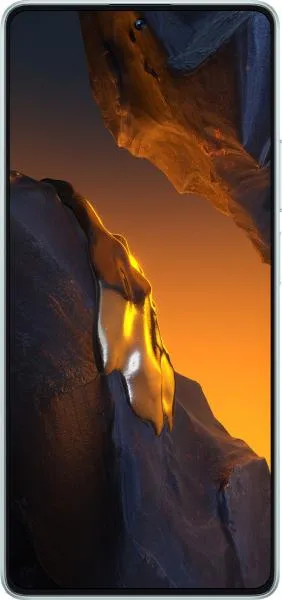
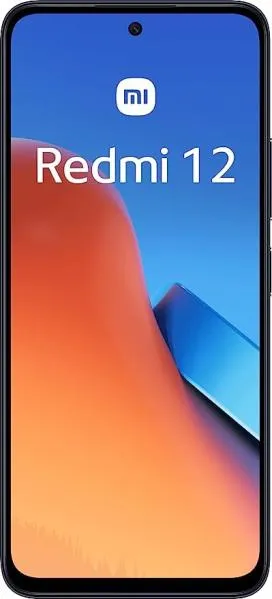
1. Specifications Comparison
| Feature | Xiaomi Poco F5 | Xiaomi Redmi 12 | Practical Impact |
|---|---|---|---|
| Design | |||
| Dimensions (mm) | 161.1 x 75 x 7.9 | 168.6 x 76.3 x 8.2 | Poco F5 is slightly smaller and thinner, making it potentially more pocketable. |
| Weight (g) | 181 | 198.5 | Poco F5 is noticeably lighter, reducing hand fatigue during extended use. |
| Build Material | Missing | Missing | Material affects durability and premium feel; information needed for comparison. |
| Display | |||
| Display Type | AMOLED | IPS LCD | Poco F5's AMOLED offers deeper blacks, more vibrant colors, and better power efficiency in dark mode. |
| Display Size (inches) | 6.67 | 6.79 | Redmi 12 has a marginally larger screen, providing slightly more viewing area. |
| Resolution | 1080 x 2400 | 1080 x 2460 | Negligible difference in sharpness due to similar pixel density. |
| Refresh Rate (Hz) | 120 | 90 | Poco F5's 120Hz display provides smoother animations and scrolling compared to Redmi 12's 90Hz. |
| HDR | HDR10+, Dolby Vision | None specified | Poco F5 supports HDR content, resulting in a significantly better video viewing experience with compatible content. |
| Performance | |||
| Chipset | Snapdragon 7+ Gen 2 (4nm) | Helio G88 (12nm) | Poco F5's significantly more powerful processor offers vastly superior performance in demanding tasks and gaming. The 4nm process also implies better power efficiency. |
| CPU | Octa-core (1x2.91 GHz X2 & 3x2.49 GHz A710 & 4x1.8 GHz A510) | Octa-core (2x2.0 GHz A75 & 6x1.8 GHz A55) | Poco F5's CPU architecture is newer and more powerful, leading to much faster processing speeds. |
| GPU | Adreno 725 | Mali-G52 MC2 | Poco F5's GPU is significantly more capable, enabling smoother gaming and faster graphics rendering. |
| RAM | 8GB/12GB | 4GB/6GB/8GB | More RAM in Poco F5 (in some variants) allows for better multitasking and smoother performance with multiple apps open. |
| Camera | |||
| Main Camera (MP) | 64 | 50 | While megapixels aren't everything, Poco F5's higher resolution main sensor potentially captures more detail. |
| Sensor Size | 1/2" | 1/2.76" | Poco F5's larger sensor likely performs better in low-light conditions and offers slightly shallower depth of field. |
| Video Recording | 4K@30fps, 1080p@120fps | 1080p@30fps | Poco F5 offers superior video recording capabilities with higher resolution and frame rates. |
| Battery | |||
| Capacity (mAh) | 5000 | 5000 | Similar battery capacity suggests comparable battery life, although real-world usage will vary due to different processors and displays. |
2. Key Differences Analysis
Xiaomi Poco F5 Advantages:
- Significantly better performance: The Snapdragon 7+ Gen 2 outclasses the Helio G88 in every aspect.
- Superior display: AMOLED with 120Hz refresh rate offers a smoother and more visually appealing experience.
- More capable camera system: Larger sensor, higher resolution, and better video recording capabilities.
- Lighter and more compact: Easier to handle and carry.
Xiaomi Redmi 12 Advantages:
- Lower price: Offers a more budget-friendly option.
- Slightly larger display: Provides marginally more screen real estate.
3. User Profiles & Recommendations
Xiaomi Poco F5: Ideal for users who prioritize performance, a smooth and vibrant display, and mobile gaming. Suitable for demanding tasks, content creation, and media consumption.
Xiaomi Redmi 12: Best suited for budget-conscious users who primarily use their phone for basic tasks like calling, texting, browsing, and social media. Less demanding gaming is possible but performance limitations should be expected.
4. Decision Framework
Key Questions for Buyers:
- What is your budget? The Redmi 12 is significantly cheaper.
- What are your primary phone usage patterns? Demanding tasks and gaming favor the Poco F5.
- How important is display quality and smoothness? The Poco F5's AMOLED and 120Hz are major advantages.
Scenario-Based Recommendations:
- Heavy gamer: Poco F5
- Budget-conscious social media user: Redmi 12
- Photographer/Videographer: Poco F5
My Choice: Xiaomi Poco F5
While the Redmi 12 offers an attractive price point, the Poco F5's superior performance, display, and camera system make it the clear winner for me. The Snapdragon 7+ Gen 2 provides a significant leap in processing power, ensuring a smooth and responsive user experience. The AMOLED display with 120Hz refresh rate is a joy to use, and the enhanced camera capabilities offer more creative possibilities. The price difference is justified by the substantial upgrade in overall user experience. I value a fluid and responsive phone for both productivity and entertainment, making the Poco F5 a better fit for my needs.
