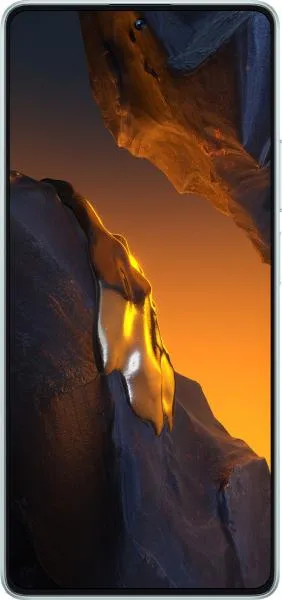

1. Specifications Comparison
| Feature | Xiaomi Poco F5 | Xiaomi 14T Pro | Practical Impact |
|---|---|---|---|
| Design | |||
| Dimensions (mm) | 161.1 x 75 x 7.9 | 160.4 x 75.1 x 8.4 | 14T Pro slightly shorter, wider and thicker. Negligible difference in daily use. |
| Weight (g) | 181 | 209 | Poco F5 noticeably lighter, reducing hand fatigue during extended use. |
| Display | |||
| Size (inches) | 6.67 | 6.67 | Same screen size. |
| Resolution (px) | 1080 x 2400 | 1220 x 2712 | 14T Pro significantly sharper display, resulting in crisper text and images. |
| Refresh Rate (Hz) | 120 | 144 | 14T Pro smoother animations and scrolling, particularly noticeable in gaming and fast-paced content. |
| Peak Brightness (nits) | 1000 | 4000 | 14T Pro dramatically brighter, ensuring excellent outdoor visibility. |
| Display Type | AMOLED | AMOLED | Both offer vibrant colors and deep blacks. |
| Performance | |||
| Chipset | Snapdragon 7+ Gen 2 | Dimensity 9300+ | 14T Pro boasts a more powerful, newer chipset, likely resulting in faster app loading, smoother multitasking, and better gaming performance. |
| CPU | Octa-core (1x2.91 GHz Cortex-X2 & 3x2.49 GHz Cortex-A710 & 4x1.8 GHz Cortex-A510) | Octa-core (1x3.4 GHz Cortex-X4 & 3x2.85 GHz Cortex-X4 & 4x2.0 GHz Cortex-A720) | 14T Pro with faster, more efficient CPU architecture, leading to a significant performance boost. |
| GPU | Adreno 725 | Immortalis-G720 MC12 | 14T Pro likely has superior graphics performance, benefiting demanding games and visual tasks. |
| RAM (GB) | 8/12 | 12 | 14T Pro offers more RAM in the compared variant, enabling better multitasking and preventing app closures in the background. |
| Camera | |||
| Main Camera (MP) | 64 | 50 | Megapixel count isn't everything; image quality depends on sensor size, aperture, and processing. 14T Pro utilizes a larger sensor. |
| Video Recording | 4K@30fps | 8K@30fps | 14T Pro capable of higher resolution video recording. |
| Other Features | OIS | OIS, Leica lens | 14T Pro benefits from potential Leica tuning for image quality. |
| Battery | |||
| Capacity (mAh) | 5000 | 5000 | Same battery capacity. Real-world battery life will depend on usage and optimization. |
2. Key Differences Analysis
Xiaomi Poco F5 Advantages:
- Lighter Weight: More comfortable for one-handed use and extended periods.
- Lower Price: Offers excellent value for its performance.
Xiaomi 14T Pro Advantages:
- Significantly Brighter and Sharper Display: Superior outdoor visibility and a more immersive viewing experience.
- More Powerful Processor and GPU: Smoother performance for demanding tasks and gaming.
- Higher Resolution Video Recording: Captures more detail in videos.
- Potentially Better Camera System: Larger main sensor and Leica collaboration suggest improved image quality.
- Higher Refresh Rate: Smoother animations and more responsive feel.
3. User Profiles & Recommendations
Xiaomi Poco F5:
- Budget-conscious users: Prioritize value and affordability.
- Casual users: Primarily use their phone for social media, browsing, and light gaming.
- Users sensitive to phone weight: Prefer a lighter device for comfort.
Xiaomi 14T Pro:
- Power users: Demand top-tier performance for gaming, multitasking, and demanding applications.
- Content creators: Require high-quality cameras for photos and videos.
- Enthusiasts: Value the latest technology and cutting-edge features.
- Users prioritizing display quality: Appreciate a bright, sharp, and smooth screen.
4. Decision Framework
Key Questions for Buyers:
- What is your budget? The Poco F5 offers excellent value, while the 14T Pro commands a premium price.
- What are your primary phone usage patterns? Casual users might find the Poco F5 sufficient, while power users will appreciate the 14T Pro's performance.
- Which features are most important to you? Prioritize display quality, camera capabilities, performance, or battery life based on your needs.
Scenario-Based Recommendations:
- Limited budget, casual usage: Poco F5
- Demanding tasks, gaming enthusiast: 14T Pro
- Prioritize display and camera quality: 14T Pro
My Choice: Xiaomi 14T Pro
While the Poco F5 offers impressive value, the Xiaomi 14T Pro's superior display, significantly improved performance, and potentially enhanced camera system make it the clear winner for me. The higher refresh rate and brighter screen alone significantly enhance the user experience. Although the price difference is substantial, the 14T Pro offers a noticeable upgrade in almost every aspect. As someone who values a smooth, responsive device with a great display, the 14T Pro aligns better with my personal preferences and usage. The future-proofing offered by the newer, more powerful chipset is also a compelling factor.
