1. Specifications Comparison
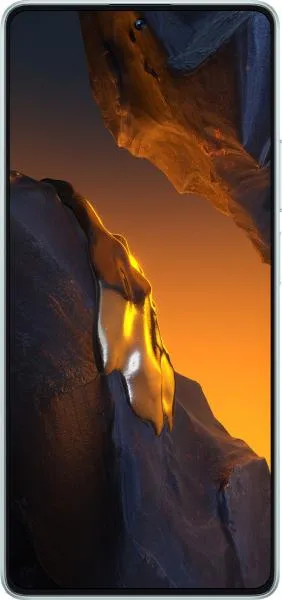
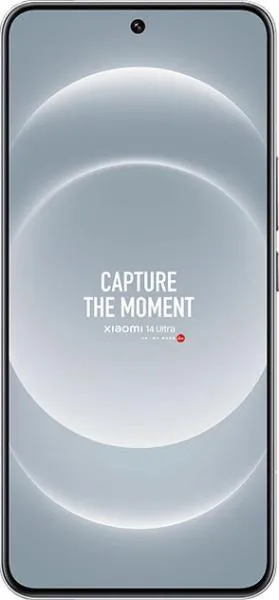
| Feature | Xiaomi Poco F5 | Xiaomi 14 Ultra | Practical Impact |
|---|---|---|---|
| Design | |||
| Dimensions (mm) | 161.1 x 75 x 7.9 | 161.4 x 75.3 x 9.2 | 14 Ultra slightly larger and noticeably thicker. Poco F5 more pocketable. |
| Weight (g) | 181 | 229.5 | 14 Ultra significantly heavier, may impact one-handed use and comfort. |
| Display | |||
| Size (inches) | 6.67 | 6.73 | Negligible size difference. |
| Resolution (px) | 1080 x 2400 | 1440 x 3200 | 14 Ultra significantly sharper, noticeable improvement in clarity and detail, especially for media consumption. |
| Type | AMOLED | LTPO AMOLED | Both offer vibrant colors and deep blacks. 14 Ultra's LTPO allows for dynamic refresh rate, potentially saving battery. |
| Refresh Rate (Hz) | 120 | 120 | Both offer smooth scrolling and animations. |
| Peak Brightness (nits) | 1000 | 3000 | 14 Ultra drastically brighter, ensuring excellent outdoor visibility. |
| Performance | |||
| Chipset | Snapdragon 7+ Gen 2 | Snapdragon 8 Gen 3 | 14 Ultra has a more powerful processor, resulting in significantly faster performance for demanding tasks and gaming. |
| CPU | Octa-core (up to 2.91GHz) | Octa-core (up to 3.3GHz) | 14 Ultra's faster CPU cores offer noticeable performance gains. |
| GPU | Adreno 725 | Adreno 750 | 14 Ultra's GPU delivers a significant boost in graphics performance, beneficial for gaming and visually intensive applications. |
| RAM (GB) | 8/12 | 12/16 | 14 Ultra offers more RAM in its higher-end configuration, improving multitasking and handling demanding applications. |
| Camera | |||
| Main Camera (MP) | 64 | 50 (1-inch sensor) | 14 Ultra's larger sensor captures more light, potentially resulting in better low-light performance and dynamic range. |
| Zoom | Digital | 3.2x/5x Optical | 14 Ultra offers superior zoom capabilities with dedicated telephoto lenses. |
| Video | 4K@30fps | 8K@30fps | 14 Ultra capable of higher resolution video recording. |
| Battery | |||
| Capacity (mAh) | 5000 | 5000 | Same battery capacity. 14 Ultra's LTPO display might offer slightly better battery life due to dynamic refresh rate. |
2. Key Differences Analysis
Xiaomi Poco F5 Advantages:
- Price: Significantly more affordable.
- Lightweight and Compact: Easier to handle and carry.
Xiaomi 14 Ultra Advantages:
- Superior Performance: Noticeably faster CPU and GPU for demanding tasks and gaming.
- Brighter and Sharper Display: Significantly improved visual experience.
- Advanced Camera System: Larger sensor, optical zoom, and 8K video recording.
- Faster Charging & Data Transfer: USB 3.2 Gen 2
3. User Profiles & Recommendations
Xiaomi Poco F5: Budget-conscious users prioritizing affordability and portability. Suitable for everyday tasks, social media, and casual gaming.
Xiaomi 14 Ultra: Power users, photographers, and videographers who demand top-tier performance, display, and camera capabilities. Ideal for demanding tasks, mobile gaming, and content creation.
4. Decision Framework
Key Questions for Buyers:
- What is your budget? The Poco F5 is significantly cheaper.
- What are your primary use cases? Casual use vs. demanding tasks/gaming/content creation.
- Do you prioritize portability or premium features? Poco F5 is lighter and more compact, while 14 Ultra boasts superior specs.
My Choice: Xiaomi 14 Ultra
While the Poco F5 offers excellent value, the Xiaomi 14 Ultra is the clear winner for me. The significantly improved performance, stunning display, and advanced camera system justify the higher price. The larger sensor, optical zoom, and 8K video recording capabilities are compelling for photography enthusiasts. Although heavier, the premium features and future-proofing provided by the newer chipset and longer software support outweigh the portability advantage of the Poco F5. I value performance and cutting-edge technology, making the 14 Ultra the better choice for my needs.
